

Post-Concussion Syndrome
Also known as: PCS, Persistent Concussion Symptoms
Post-Concussion Syndrome
Post-concussion syndrome (PCS) refers to a pattern of symptoms that persist after a concussion or mild traumatic brain injury (mTBI). While many people recover from a concussion within days to weeks, a subset continue to experience problems such as headache, dizziness, fatigue, sensitivity to light or sound, sleep disturbance, difficulty concentrating, memory complaints, mood changes, and a general sense of “brain fog.” In current clinical literature, the term persistent post-concussive symptoms is also commonly used, reflecting the fact that symptoms can involve multiple systems rather than a single isolated brain process.
PCS is important because it sits at the intersection of neurology, rehabilitation, mental health, vestibular function, sleep medicine, and pain management. Symptoms may be influenced not only by the initial injury, but also by preexisting migraine tendencies, anxiety or depression, neck injury, autonomic dysfunction, visual-vestibular disturbance, and disrupted sleep. This helps explain why recovery trajectories vary widely from person to person and why lingering symptoms can be physically, cognitively, and emotionally disruptive even when standard imaging appears normal.
Research suggests that most concussions improve substantially over time, but a meaningful minority of individuals report symptoms lasting beyond the expected recovery window. Definitions vary across studies, making prevalence estimates inconsistent; however, persistent symptoms are widely recognized in sports medicine, emergency medicine, military health, pediatrics, and general neurology. Risk appears to be shaped by factors such as prior concussions, migraine history, female sex in some cohorts, mental health history, symptom burden immediately after injury, and coexisting cervical or vestibular dysfunction.
From a supportive-care standpoint, PCS is often discussed in relation to multidisciplinary recovery. Conventional care commonly emphasizes symptom-specific evaluation and graded rehabilitation, while complementary and traditional systems may focus on restoring balance, calming the nervous system, supporting sleep, and improving resilience. Because persistent symptoms can overlap with other conditions, careful assessment by qualified healthcare professionals remains important, particularly to rule out complications or unrelated causes of headache, cognitive change, dizziness, or mood symptoms.
Medical Perspectives
Two Ways of Seeing Health

Western
scientific · clinical
Western medicine applies science, technology, and clinical experience to treat symptoms through testing, diagnosis, and targeted intervention.

Eastern
traditional · alternative
Eastern medicine focuses on treating the body naturally by applying traditional knowledge practiced for thousands of years, emphasizing balance and whole-person wellness.
Gold Bamboo presents both perspectives side-by-side so you can make informed decisions. We don't advocate for one over the other — your health choices are yours.
Western Medicine Perspective
Western Medicine Perspective
In conventional medicine, post-concussion syndrome is understood as a multifactorial clinical condition following mild traumatic brain injury. Rather than being attributed to a single mechanism, PCS is often viewed as the result of interacting processes that may include metabolic and neuroinflammatory changes, impaired autonomic regulation, vestibular-ocular dysfunction, cervical strain, migraine activation, sleep disruption, and psychological stress responses. Standard structural imaging such as CT or MRI is often normal in concussion and PCS, so diagnosis is typically based on clinical history, symptom pattern, neurologic examination, and targeted assessment of balance, cognition, vision, mood, and sleep.
Current management in mainstream care is generally individualized and symptom-guided. Studies and clinical guidelines increasingly support a shift away from prolonged strict rest toward a graduated return to cognitive and physical activity, when medically appropriate, along with targeted therapies such as vestibular rehabilitation, vision therapy for selected cases, supervised sub-symptom aerobic exercise, headache management, sleep evaluation, and psychological support. In patients with persistent symptoms, clinicians may also evaluate for comorbid conditions such as depression, anxiety, post-traumatic stress, medication overuse headache, cervical injury, or endocrine dysfunction when indicated.
The evidence base is strongest for multidisciplinary rehabilitation and active recovery approaches, though not all interventions work equally well for all patients. Pharmacologic treatment is generally aimed at individual symptoms—such as headache, insomnia, or mood disturbance—rather than a specific drug for PCS itself. Research continues into biomarkers, advanced imaging, autonomic testing, and personalized rehabilitation strategies, but major medical organizations generally emphasize that persistent symptoms require a broad, biopsychosocial assessment rather than a one-size-fits-all explanation.
Because concussion symptoms can mimic or overlap with other medical issues, conventional care places importance on follow-up with healthcare professionals experienced in brain injury. Worsening neurologic symptoms, repeated vomiting, progressive confusion, seizure, focal weakness, or other red-flag features warrant urgent medical evaluation.
Eastern & Traditional Perspective
Eastern and Traditional Medicine Perspective
Traditional and integrative systems typically do not describe post-concussion syndrome in the same biomedical terms as modern neurology, but they often interpret lingering post-injury symptoms through broader patterns of imbalance, disrupted circulation, nervous system dysregulation, and depleted vitality. In Traditional Chinese Medicine (TCM), persistent headache, dizziness, insomnia, irritability, poor concentration, and fatigue after head injury may be viewed in relation to patterns such as blood stasis, qi stagnation, phlegm misting the mind, liver yang disturbance, or deficiency of qi and blood following trauma. The traditional aim is not framed as treating “PCS” directly, but as addressing the constellation of symptoms and restoring systemic balance.
In Ayurveda, lingering cognitive fatigue, sleep disturbance, hypersensitivity, and mood fluctuation after injury may be interpreted through aggravation of Vata dosha, especially where symptoms involve instability, dryness, nervous tension, irregular sleep, and mental overstimulation. Traditional Ayurvedic approaches may emphasize calming routines, nourishment, restoration, and mind-body practices intended to support recovery capacity. In naturopathic and integrative medicine, attention is often given to sleep quality, stress physiology, inflammation, autonomic balance, nutrition, and gentle rehabilitative support.
Complementary modalities discussed in this context may include acupuncture, meditation, breathwork, gentle yoga or tai chi, massage, craniosacral-style bodywork, and botanical traditions, though the quality of evidence varies considerably by therapy and symptom domain. Some studies suggest acupuncture may have potential for headache, sleep disturbance, or post-traumatic symptoms, but findings are mixed and often limited by small sample sizes, study design issues, and lack of standardization. Mind-body practices may be of interest for stress regulation and symptom coping, yet they are generally studied as supportive measures rather than stand-alone treatments for brain injury.
Within a balanced integrative framework, traditional systems are most often considered adjunctive, especially when symptoms are persistent or complex. Consultation with qualified healthcare professionals is important because symptoms attributed to PCS may also reflect vestibular, cervical, psychiatric, neurologic, or sleep-related conditions that need formal evaluation. Any complementary approach is best understood in the context of coordinated care rather than as a substitute for medical assessment after head injury.
Supplements & Products
Recommended Products
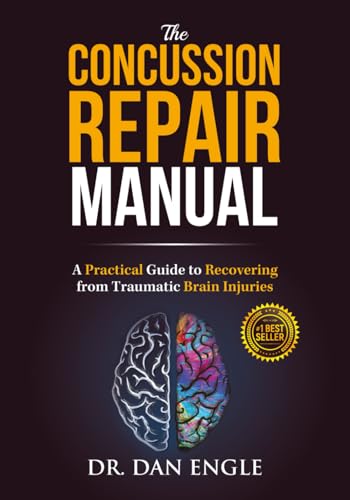
The Concussion Repair Manual: A Practical Guide to Recovering from Traumatic Brain Injuries: Engle, Dan, Dr.
It is one-part “textbook,” packed with the leading research on medical technologies for healing the injured brain, and one-part “workbook,” offering a step-by-step method for making and tracking a per

Nordic Naturals Ultimate Omega, Lemon Flavor - 90 Soft Gels - 1280 mg Omega-3 - High-Potency Omega-3 Fish Oil Supplement with EPA & DHA - Promotes Brain & Heart Health - Non-GMO - 45 Servings
Buy Nordic Naturals Ultimate Omega, Lemon Flavor - 90 Soft Gels - 1280 mg Omega-3 - High-Potency Omega-3 Fish Oil Supplement with EPA & DHA - Promotes Brain & Heart Health - Non-GMO - 45 Servi
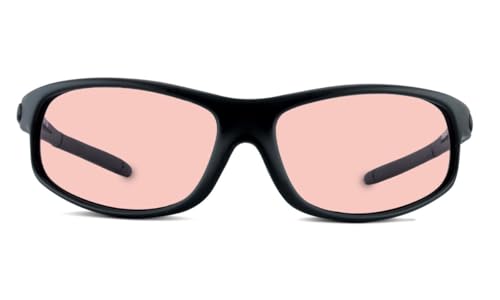
TheraSpecs Wrap FL-Pro Glasses for Light Sensitivity
Indoor (FL-Pro) TheraSpecs glasses are <strong>designed to provide the best defense against harsh and irritating light, from computer and device screens, to fluorescent lighting, LEDs, and unwanted bl
Evidence & Sources
Promising research with growing clinical support from multiple studies
- Centers for Disease Control and Prevention (CDC)
- National Institute of Neurological Disorders and Stroke (NINDS)
- American Academy of Neurology
- British Journal of Sports Medicine
- JAMA Neurology
- The Lancet Neurology
- Archives of Physical Medicine and Rehabilitation
- World Health Organization (WHO)
- National Center for Complementary and Integrative Health (NCCIH)
This content is for informational purposes only and does not constitute medical advice. Always consult a qualified healthcare provider before starting, stopping, or changing any supplement or medication regimen.