

Polymyalgia Rheumatica
Also known as: PMR
Overview
Polymyalgia rheumatica (PMR) is an inflammatory condition most often seen in adults over age 50, characterized by aching, pain, and marked stiffness in the shoulders, neck, upper arms, hips, and thighs. Symptoms are often worse in the morning or after periods of inactivity, and the stiffness can be significant enough to affect dressing, rising from a chair, walking, or lifting the arms. Although the name suggests a muscle disorder, PMR is generally understood as a systemic inflammatory syndrome rather than a primary disease of muscle tissue itself.
PMR is clinically important because it can substantially reduce mobility and quality of life, and because it may overlap with or occur alongside giant cell arteritis (GCA), a related inflammatory blood vessel condition that can threaten vision if not recognized promptly. Research indicates that fatigue, low-grade fever, weight loss, malaise, and sleep disturbance may accompany the classic pain-and-stiffness pattern. The condition is more common in older adults, especially women, and is reported more frequently in populations of Northern European ancestry, though it can occur in many groups.
Diagnosis is typically based on a combination of symptom pattern, age, physical examination, inflammatory markers, and exclusion of other conditions that can mimic PMR, such as rheumatoid arthritis, thyroid disorders, inflammatory muscle disease, infection, and malignancy. Elevated erythrocyte sedimentation rate (ESR) and C-reactive protein (CRP) are common, though not universal. Imaging such as ultrasound, MRI, or PET/CT may show inflammation around the shoulders and hips, including bursitis and synovitis, helping support the diagnosis in uncertain cases.
Many people exploring PMR also seek information about diet, lifestyle measures, and complementary therapies, especially because the conventional mainstay of treatment has historically involved glucocorticoids, which can be highly effective but may carry risks with long-term use. In that context, integrative care discussions often focus on symptom support, function, sleep, stress reduction, and reducing the broader burden of chronic inflammation. Any persistent or severe symptoms, especially new headache, scalp tenderness, jaw pain, or vision changes, warrant prompt medical evaluation because of the association with giant cell arteritis.
Medical Perspectives
Two Ways of Seeing Health

Western
scientific · clinical
Western medicine applies science, technology, and clinical experience to treat symptoms through testing, diagnosis, and targeted intervention.

Eastern
traditional · alternative
Eastern medicine focuses on treating the body naturally by applying traditional knowledge practiced for thousands of years, emphasizing balance and whole-person wellness.
Gold Bamboo presents both perspectives side-by-side so you can make informed decisions. We don't advocate for one over the other — your health choices are yours.
Western Medicine Perspective
Western Medicine Perspective
In conventional medicine, PMR is viewed as an immune-mediated inflammatory disorder associated with aging of the immune system, genetic susceptibility, and dysregulation of inflammatory pathways such as interleukin-6 (IL-6). It is diagnosed clinically rather than through a single definitive test. Professional organizations such as the American College of Rheumatology (ACR) and EULAR have developed classification criteria that emphasize age over 50, bilateral shoulder aching, morning stiffness, elevated inflammatory markers, and the exclusion of mimicking diseases. Ultrasound findings in the shoulders and hips may strengthen diagnostic confidence.
A hallmark of PMR in standard practice is that symptoms often respond relatively quickly to low-to-moderate dose corticosteroids, although this response alone is no longer considered sufficient to confirm diagnosis. Ongoing management generally centers on monitoring symptoms, inflammatory markers, physical function, and steroid-related adverse effects. Research and guidelines also discuss the role of steroid-sparing therapies in selected cases, particularly for relapse-prone disease or when glucocorticoid toxicity is a concern. Tocilizumab, an IL-6 receptor inhibitor, has been studied in PMR and related inflammatory conditions, though use varies depending on individual circumstances and evolving evidence.
Conventional care also emphasizes the need to distinguish PMR from conditions such as elderly-onset rheumatoid arthritis, rotator cuff disease, osteoarthritis, statin-associated symptoms, inflammatory myopathies, infection, and occult malignancy. Because of the connection between PMR and giant cell arteritis, clinicians remain alert to warning symptoms including new temporal headache, jaw claudication, scalp tenderness, or visual disturbance. Supportive care in western medicine may include assessment of mobility, fall risk, sleep disruption, mood burden, bone health, and cardiovascular risk, particularly when prolonged inflammation or corticosteroid exposure is part of the clinical picture.
Eastern & Traditional Perspective
Eastern and Traditional Medicine Perspective
In Traditional Chinese Medicine (TCM), symptom patterns resembling PMR may be interpreted through frameworks such as Bi syndrome (painful obstruction), often involving the channels of the shoulders, neck, hips, and limbs, with possible contributions from wind, cold, dampness, heat, blood stasis, or underlying qi and kidney-liver deficiency in older adults. Morning stiffness and heaviness may be associated with damp obstruction, while chronic aching and weakness may be understood in terms of deficiency and impaired circulation. TCM assessment is individualized and may consider constitutional patterns, digestion, sleep, pulse, and tongue findings rather than mapping directly onto a biomedical diagnosis.
Traditional approaches may include acupuncture, moxibustion, gentle movement practices such as tai chi or qigong, and herbal formulas chosen according to pattern differentiation. From an eastern medicine perspective, the goal is often framed as supporting circulation, easing obstruction, reducing pain, and restoring systemic balance. Contemporary research on acupuncture for inflammatory musculoskeletal pain suggests possible benefits for pain modulation and function in some conditions, but high-quality PMR-specific evidence remains limited. Herbal medicine is also part of traditional care in TCM and Ayurveda, but rigorous evidence for PMR specifically is sparse, and herb-drug interactions remain an important safety consideration.
In Ayurveda, presentations resembling PMR may be discussed in terms of vata aggravation, impaired tissue nourishment, accumulation of ama (metabolic toxins in classical terminology), or inflammatory states affecting the joints and soft tissues. Traditional management concepts often emphasize digestive balance, reducing systemic burden, preserving mobility, and supporting resilience during aging. In naturopathic and integrative frameworks, attention may also be given to anti-inflammatory dietary patterns, sleep quality, stress physiology, and low-impact physical activity. These approaches are generally considered adjunctive and supportive, not substitutes for medical evaluation, particularly given the risk of giant cell arteritis and the need to rule out other serious causes of pain and stiffness.
Supplements & Products
Recommended Products

Polymyalgia Rheumatica and Giant Cell Arteritis: a survival guide. 2nd edition.: Gilbert PhD, Kate
Polymyalgia Rheumatica and Giant Cell Arteritis: a survival guide. 2nd edition. [Gilbert PhD, Kate] on Amazon.com. *FREE* shipping on qualifying offers. Polymyalgia Rheumatica and Giant Cell Arteritis
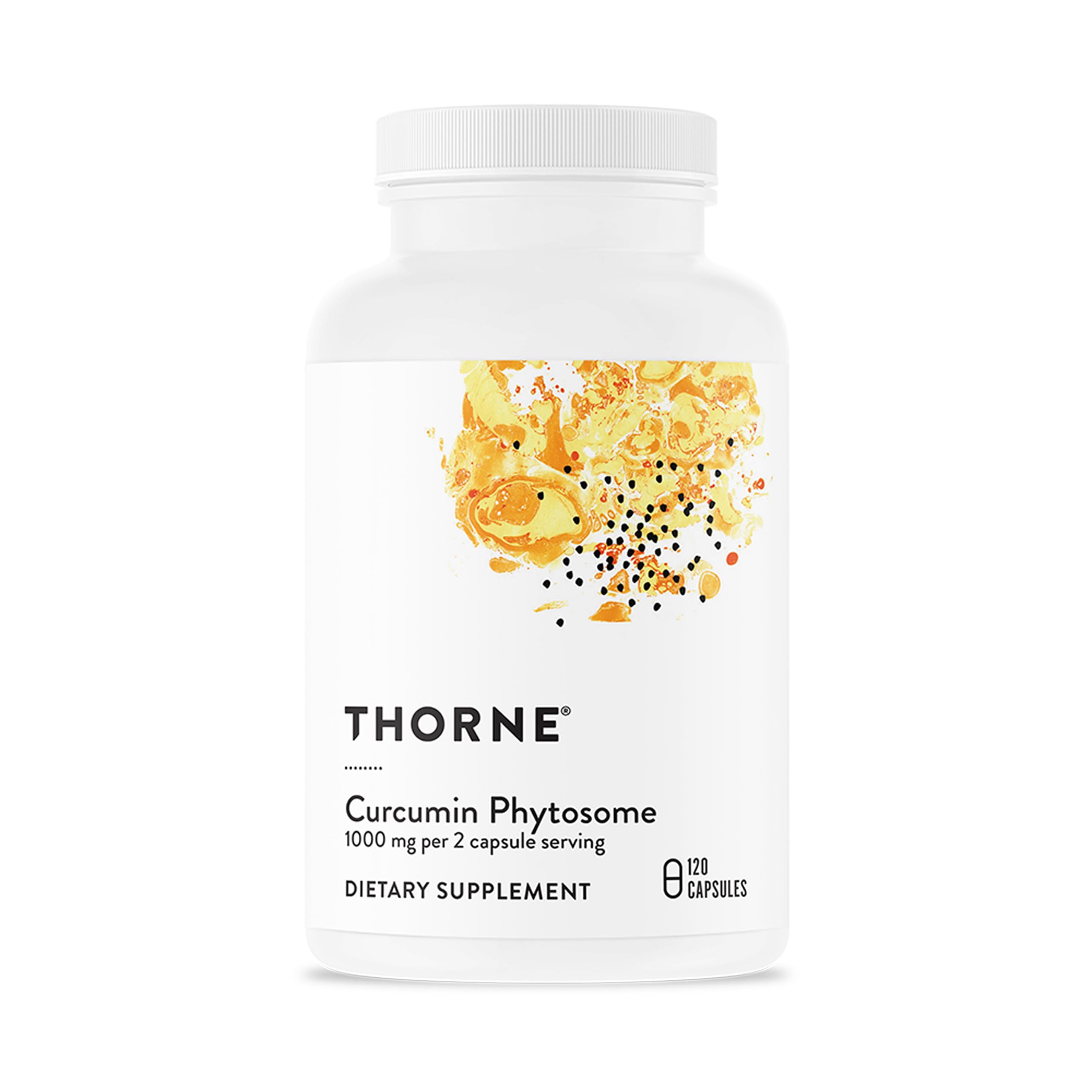
THORNE - Curcumin Phytosome 1000 mg (Meriva) - Clinically Studied, High Absorption - Supports Healthy Inflammatory Response in Joints, Muscles, GI Tract, Liver, Brain & Nerves* - 30 Servings
THORNE - Curcumin Phytosome 500 mg (Meriva) - Sustained Release, Clinically Studied - <strong>Supports Healthy Inflammatory Response in Joints, Muscles, GI Tract, Liver, Brain & Nerves</strong>* -

Nordic Naturals Ultimate Omega, Lemon Flavor - 90 Soft Gels - 1280 mg Omega-3 - High-Potency Omega-3 Fish Oil Supplement with EPA & DHA - Promotes Brain & Heart Health - Non-GMO - 45 Servings
Buy Nordic Naturals Ultimate Omega, Lemon Flavor - 90 Soft Gels - 1280 mg Omega-3 - High-Potency Omega-3 Fish Oil Supplement with EPA & DHA - Promotes Brain & Heart Health - Non-GMO - 45 Servi
Evidence & Sources
Promising research with growing clinical support from multiple studies
- American College of Rheumatology (ACR)
- EULAR (European Alliance of Associations for Rheumatology)
- NHS
- National Institute of Arthritis and Musculoskeletal and Skin Diseases (NIAMS/NIH)
- New England Journal of Medicine
- Annals of the Rheumatic Diseases
- Arthritis & Rheumatology
- The Lancet Rheumatology
- National Center for Complementary and Integrative Health (NCCIH)
- Mayo Clinic Proceedings
This content is for informational purposes only and does not constitute medical advice. Always consult a qualified healthcare provider before starting, stopping, or changing any supplement or medication regimen.