

Polycystic Ovary Syndrome (PCOS)
Overview
Polycystic Ovary Syndrome (PCOS) is a common endocrine and metabolic condition that affects people of reproductive age with ovaries. It is typically characterized by a combination of irregular ovulation or absent ovulation, androgen excess (which may appear as acne, excess facial or body hair, or hair thinning), and polycystic ovarian morphology on ultrasound. Not every person with PCOS has ovarian cysts in the everyday sense, and the name can be misleading; the condition is better understood as a whole-body hormonal and metabolic syndrome rather than a problem limited to the ovaries alone.
PCOS is clinically important because it can affect menstrual regularity, fertility, skin health, weight regulation, insulin function, and long-term cardiometabolic risk. Research suggests it is one of the most common hormonal disorders in reproductive-age women, though exact prevalence varies depending on the diagnostic criteria used. Many individuals also experience insulin resistance, higher rates of prediabetes and type 2 diabetes, dyslipidemia, sleep apnea, and potential impacts on mental health, including anxiety, depression, and body-image distress. The condition often presents differently across the lifespan and across body sizes, ethnic backgrounds, and symptom patterns.
Diagnosis is generally based on recognized criteria such as the Rotterdam criteria, which consider the presence of at least two of the following: ovulatory dysfunction, clinical or biochemical hyperandrogenism, and polycystic-appearing ovaries on ultrasound, after excluding other causes. PCOS is considered a diagnosis of exclusion, meaning clinicians typically evaluate for overlapping conditions such as thyroid disorders, hyperprolactinemia, congenital adrenal hyperplasia, Cushing syndrome, or androgen-secreting tumors. This diagnostic complexity helps explain why many people experience delays in identification or are initially told that symptoms are unrelated.
From a broader health perspective, PCOS is increasingly recognized as a condition shaped by interactions among genetics, insulin signaling, ovarian hormone regulation, inflammation, and environmental factors. Conventional medicine tends to emphasize endocrine and metabolic pathways, while traditional systems may interpret PCOS through patterns of imbalance involving digestion, circulation, stress, reproductive energy, or constitutional tendencies. Because symptoms and health priorities can vary widely, PCOS is often discussed as a heterogeneous syndrome rather than a single uniform disease entity.
Western Medicine Perspective
Western Medicine Perspective
In conventional medicine, PCOS is understood as a multifactorial endocrine-metabolic disorder involving disrupted communication between the ovaries, brain, adrenal glands, and metabolic tissues. A central feature in many cases is insulin resistance, which may contribute to higher circulating insulin levels. Elevated insulin can stimulate ovarian androgen production and reduce sex hormone-binding globulin, increasing biologically active androgens. This can interfere with normal follicle development and ovulation, leading to irregular cycles and the characteristic hormonal pattern associated with PCOS. However, not all individuals with PCOS fit the same metabolic profile, and lean PCOS phenotypes are also recognized.
Clinical assessment often includes a detailed menstrual and symptom history, physical examination, and laboratory testing to evaluate androgen levels and rule out other conditions. Ultrasound may be used to assess ovarian morphology, though imaging alone does not establish the diagnosis. Conventional management frameworks are typically symptom- and risk-focused, addressing concerns such as cycle irregularity, infertility, acne, hirsutism, metabolic dysfunction, and endometrial health. Research supports the importance of monitoring long-term risks including impaired glucose tolerance, type 2 diabetes, cardiovascular risk factors, and endometrial hyperplasia in those with prolonged anovulation.
Evidence-based care also increasingly acknowledges the psychological burden of PCOS. Major guidelines note higher rates of depression, anxiety, disordered eating, and reduced quality of life among affected individuals. As a result, contemporary western approaches often frame PCOS as requiring multidisciplinary assessment, potentially involving gynecology, endocrinology, dermatology, nutrition, fertility care, and mental health support. Because treatment goals differ based on life stage and symptom pattern, medical evaluation by a qualified healthcare professional is important for individualized assessment and to clarify which associated risks are most relevant.
Eastern & Traditional Perspective
Eastern and Traditional Medicine Perspective
In Traditional Chinese Medicine (TCM), PCOS is not historically defined as a single biomedical diagnosis, but its symptom patterns are often interpreted through frameworks such as phlegm-damp accumulation, qi stagnation, blood stasis, kidney deficiency, or liver dysfunction affecting reproductive balance. Irregular menstruation, infertility, weight changes, and acne may be viewed as signs of disrupted internal harmony rather than isolated ovarian dysfunction. TCM assessment typically emphasizes pattern differentiation, taking into account menstrual history, digestion, sleep, emotional stress, tongue and pulse findings, and overall constitutional presentation.
Within Ayurveda, presentations resembling PCOS are commonly understood through disturbances in Kapha, Pitta, and Vata, especially where metabolism, tissue nourishment, and menstrual flow are considered impaired. Concepts such as agni (digestive/metabolic fire), ama (metabolic waste or toxic buildup), and imbalance in the reproductive tissues may be used to explain irregular cycles, subfertility, acne, or weight-related symptoms. Ayurvedic interpretations often connect reproductive health with digestion, stress regulation, and constitutional tendencies, framing the condition as systemic rather than limited to the ovaries.
Naturopathic and integrative medicine perspectives frequently overlap with conventional research on insulin resistance, inflammation, stress physiology, sleep, and gut-metabolic interactions, while also incorporating traditional dietary principles, botanicals, acupuncture, and mind-body practices. Some studies suggest acupuncture and certain herbal approaches may influence menstrual regularity, ovulation-related markers, or metabolic parameters, but the quality of evidence remains variable and findings are not always consistent. For this reason, traditional and integrative approaches are generally discussed as complementary frameworks that may inform supportive care, while evaluation by licensed healthcare professionals remains important—particularly because PCOS can overlap with other endocrine conditions that require medical assessment.
Supplements & Products
Recommended Products
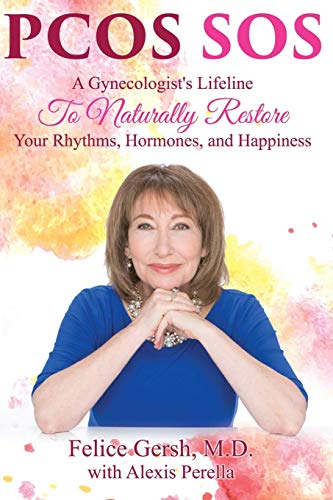
Pcos SOS: A Gynecologist's Lifeline To Naturally Restore Your Rhythms, Hormones, and Happiness: Felice Gersh, Alexis Perella
Felice Gersh M.D. ... <strong>A breakthrough program to heal Polycystic Ovary Syndrome</strong> naturally 10% of all women have PCOS, making it the most common female endocrine disorder and cause of f
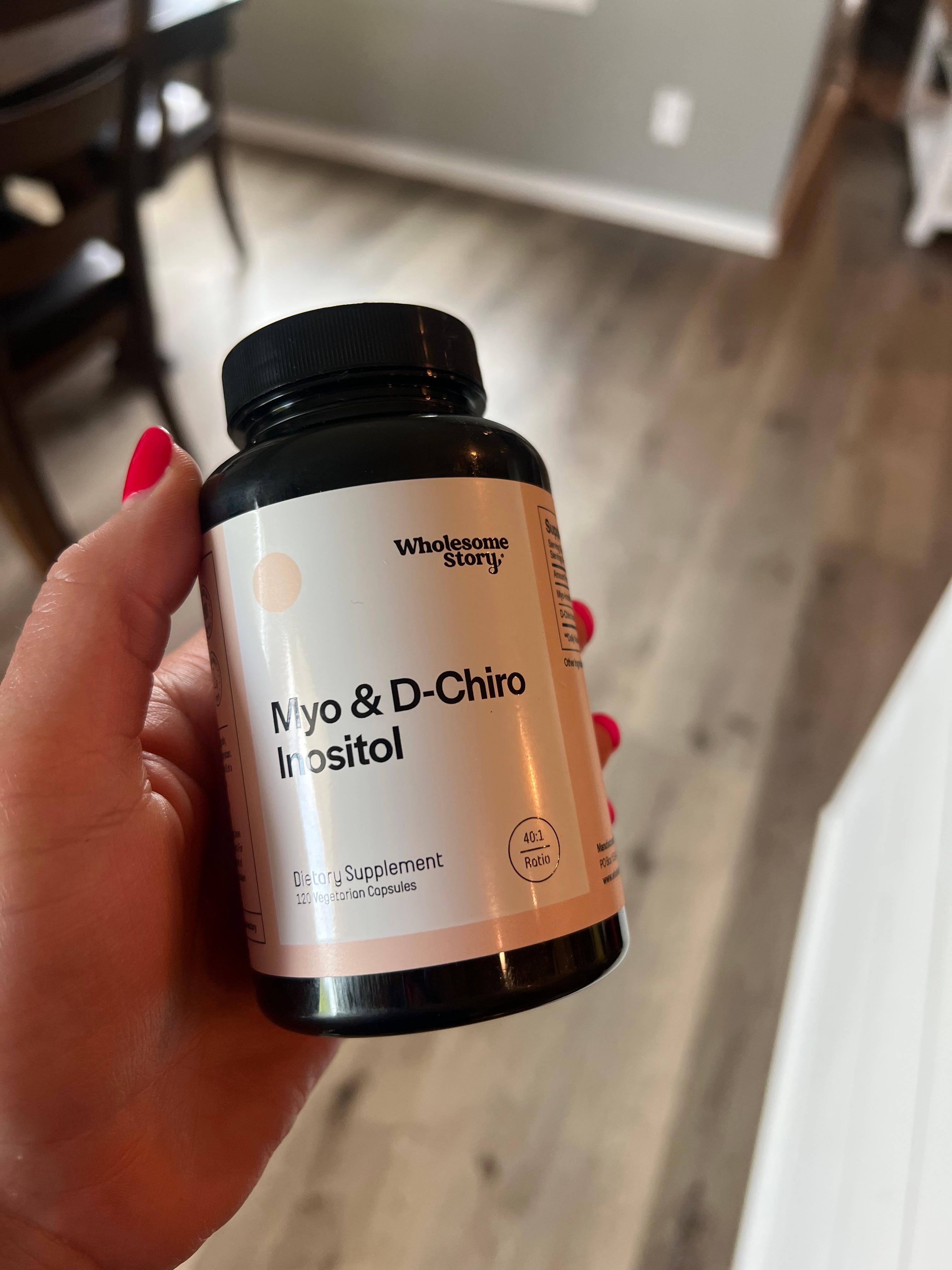
Wholesome Story Myo-Inositol & D-Chiro Inositol Supplement for Women | Fertility Supplements for Hormonal Balance & Ovarian Health Support | Myoinositol | Ideal 40:1 Ratio | 30 Servings
Our Myo & D-Chiro products contain a 40:1 ratio of Myo- to D-Chiro Inositol, shown to be <strong>the most beneficial ratio for women of reproductive age</strong>.* Myo-Inositol provides many of th
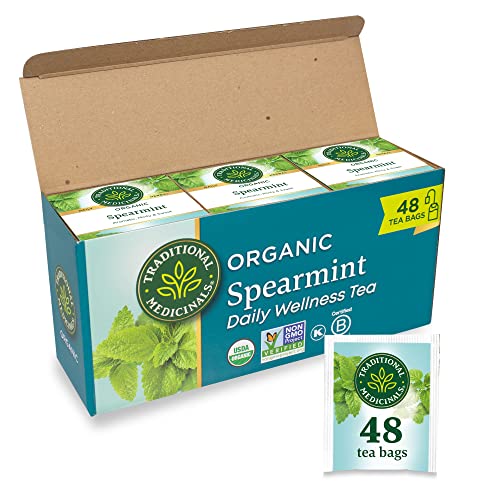
Traditional Medicinals Tea, Organic Spearmint, Supports Everyday Wellness, Healthy & Refreshing, 96 Tea Bags (6 Pack) : Spear Mint Tea : Everything Else
Ethical sourcing: We source high-quality spearmint from ethical trading partnerships. Mindfully-made herbal tea: This USDA Certified Organic tea is also Kosher, Caffeine-Free, Compostable, and Herbali
Evidence & Sources
Promising research with growing clinical support from multiple studies
- International Evidence-Based Guideline for the Assessment and Management of PCOS (Monash University/ASRM/ESHRE)
- The Journal of Clinical Endocrinology & Metabolism
- Fertility and Sterility
- American College of Obstetricians and Gynecologists (ACOG)
- National Institute of Child Health and Human Development (NICHD)
- National Center for Complementary and Integrative Health (NCCIH)
- World Health Organization (WHO)
- The Lancet
- Human Reproduction Update
This content is for informational purposes only and does not constitute medical advice. Always consult a qualified healthcare provider before starting, stopping, or changing any supplement or medication regimen.