

Peripheral Neuropathy — Herbal and Integrative Approaches
Overview
Peripheral neuropathy is a broad term describing damage or dysfunction of the peripheral nerves—the nerves outside the brain and spinal cord that carry sensory, motor, and autonomic signals throughout the body. It may cause numbness, tingling, burning pain, electric-shock sensations, weakness, balance problems, or altered temperature sensitivity, often beginning in the feet and hands in a “stocking-glove” pattern. The condition is not a single disease but a syndrome with many possible causes, including diabetes, chemotherapy, alcohol-related nerve injury, vitamin deficiencies, autoimmune disorders, infections, inherited conditions, kidney disease, and medication effects. In some cases, no clear cause is identified, and the neuropathy is classified as idiopathic.
Peripheral neuropathy is clinically significant because it can affect mobility, sleep, safety, and quality of life, and in severe cases may contribute to falls, foot injuries, digestive changes, or blood pressure instability. Diabetic peripheral neuropathy is among the most common forms worldwide, and chemotherapy-induced peripheral neuropathy is a major survivorship concern in oncology. Because symptoms vary widely and multiple mechanisms may be involved—such as metabolic stress, inflammation, oxidative damage, microvascular injury, and impaired nerve signaling—evaluation typically focuses on identifying underlying contributors rather than viewing neuropathy as a single uniform disorder.
From an integrative health perspective, peripheral neuropathy is often approached through multimodal symptom support and whole-person assessment. Research on herbal and complementary strategies has explored agents with potential anti-inflammatory, antioxidant, microcirculatory, or neuromodulatory effects. Examples discussed in the literature include alpha-lipoic acid, acetyl-L-carnitine, capsaicin, certain B vitamins when deficiency is present, and selected botanicals used traditionally for circulation or nerve discomfort. Non-herbal integrative approaches frequently include acupuncture, physical therapy, mind-body practices, nutritional assessment, foot care, and lifestyle-based metabolic support. Evidence varies considerably by cause of neuropathy and by intervention, and what appears promising for diabetic neuropathy may not translate to chemotherapy-related or idiopathic forms.
A balanced review of peripheral neuropathy therefore requires attention to both cause-specific medical evaluation and the quality of evidence behind supportive therapies. Conventional medicine prioritizes diagnosis, safety, and management of reversible contributors, while traditional and integrative systems often emphasize restoring systemic balance, circulation, and functional resilience. In all cases, persistent numbness, weakness, gait change, or rapidly progressive symptoms warrant professional medical assessment, as neuropathy can occasionally signal an urgent underlying condition.
Western Medicine Perspective
Western Medicine Perspective
In conventional medicine, peripheral neuropathy is understood as a disorder of peripheral nerve structure or function, and classification often depends on whether sensory, motor, or autonomic fibers are involved; whether the pattern is length-dependent, focal, multifocal, or generalized; and whether the main pathology appears to be axonal loss or demyelination. The medical workup commonly includes history, neurological examination, laboratory studies, and in selected cases electrodiagnostic testing, skin biopsy for small fiber neuropathy, imaging, or referral to neurology. A major principle is to identify treatable causes such as diabetes or prediabetes, vitamin B12 deficiency, thyroid disease, alcohol misuse, medication toxicity, autoimmune disease, monoclonal gammopathy, or infection.
Conventional management generally focuses on two parallel goals: addressing the underlying cause and reducing symptom burden. For painful neuropathy, studies support several medication classes, including certain serotonin-norepinephrine reuptake inhibitors, gabapentinoids, tricyclic antidepressants, and topical agents such as capsaicin or lidocaine in appropriate contexts. Medical care also emphasizes fall prevention, footwear and foot inspection, rehabilitation, strength and balance support, and prevention of burns or unnoticed injuries when sensation is reduced. For chemotherapy-induced neuropathy, evidence-based options remain more limited, and symptom management is often individualized.
Integrative therapies are increasingly discussed within conventional settings, but evidence is mixed. Alpha-lipoic acid has been studied most extensively in diabetic neuropathy, with some trials suggesting improvement in neuropathic symptoms, though results across formulations and study designs are not entirely consistent. Acetyl-L-carnitine has been investigated for diabetic and chemotherapy-related neuropathy, but findings are mixed and there has been concern in some cancer settings about using supportive agents during active treatment without oncology oversight. Capsaicin, particularly high-concentration topical formulations, has a clearer role in neuropathic pain research than many oral herbal agents. By contrast, broad claims for supplements or herbs as nerve restoratives are not well established across all neuropathy types.
From a safety standpoint, conventional medicine places strong emphasis on the fact that “natural” does not always mean low-risk. Some supplements may interact with anticoagulants, diabetes medications, chemotherapy, or sedatives; others may be contaminated or vary in potency. In addition, excessive intake of certain vitamins—most notably vitamin B6—can itself cause neuropathy. For this reason, integrative approaches are generally viewed as adjunctive considerations within a medically supervised evaluation, especially when symptoms are progressive, asymmetric, accompanied by weakness, or associated with systemic illness.
Eastern & Traditional Perspective
Eastern and Traditional Medicine Perspective
In Traditional Chinese Medicine (TCM), symptoms consistent with peripheral neuropathy are not typically grouped under a single disease label but may be interpreted through patterns such as Qi and Blood stagnation, Dampness obstructing the channels, Liver and Kidney deficiency, or Spleen Qi deficiency with impaired nourishment of the limbs. Tingling, numbness, burning, or weakness may be viewed as manifestations of poor channel circulation or depletion of the body’s nutritive substances. Traditional care may include acupuncture, moxibustion, movement practices, dietary therapy, and individualized herbal formulas selected according to pattern differentiation rather than diagnosis name alone. Herbs traditionally used in this context may aim to invigorate blood, dispel dampness, warm the channels, or nourish yin and blood, though modern clinical evidence remains variable and formula-specific.
Acupuncture is among the most studied traditional modalities for neuropathic symptoms. Research suggests it may influence pain signaling, local circulation, inflammatory mediators, and central neuromodulatory pathways, and some studies report improvements in pain, numbness, or quality of life in diabetic and chemotherapy-related neuropathy. However, trial quality is uneven, sham controls are challenging, and results are not fully uniform across studies. Within TCM practice, acupuncture is often framed less as a single anti-pain technique and more as part of a broader effort to restore systemic balance and limb function.
In Ayurveda, neuropathic symptoms are often interpreted through disturbances of Vata dosha, particularly when there is pain, tingling, dryness, weakness, or degeneration. Ayurvedic approaches have traditionally used oleation therapies, massage, warming measures, botanical preparations, digestive support, and rasayana concepts aimed at tissue nourishment and resilience. Herbs such as ashwagandha, guduchi, turmeric, and bacopa are sometimes discussed in contemporary integrative contexts for their anti-inflammatory, adaptogenic, or neuroprotective potential, although evidence specific to peripheral neuropathy is still emerging rather than definitive. Naturopathic frameworks may similarly emphasize glycemic balance, nutrient status, oxidative stress, inflammation, circulation, and toxin exposure.
Across Eastern and traditional systems, an important theme is that neuropathy reflects systemic imbalance rather than only isolated nerve damage. This perspective can complement biomedical care by drawing attention to sleep, stress, digestion, movement, constitution, and recovery capacity. At the same time, traditional practitioners generally recognize the importance of referral when symptoms suggest severe nerve injury, rapid progression, or a serious underlying disease. The strongest bridge between traditional and modern evidence currently exists for acupuncture and selected supportive nutraceuticals, while many herbal protocols remain grounded more in historical use and small clinical studies than in large, definitive trials.
Supplements & Products
Recommended Products
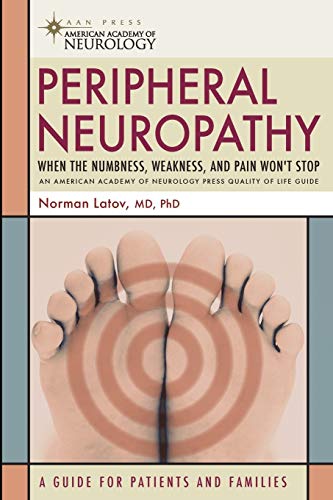
Peripheral Neuropathy: When the Numbness, Weakness and Pain Won't Stop (American Academy of Neurology Press Quality of Life Guides): Norman Latov
Peripheral Neuropathy, by Norman Latov, Professor of Neurology at the Weill Medical College of Cornell University, explains what we know about neuropathy, including its causes and manifestations, and

THORNE - Alpha-Lipoic Acid - 300 mg - Supplement for Liver Detox, Antioxidant Support, Nerve Health & Mental Sharpness* - 60 Servings
<strong>One Capsule Contains: Alpha-Lipoic Acid 300 mg</strong>. Other Ingredients: Hypromellose (derived from cellulose) capsule, Microcrystalline Cellulose, Leucine, Calcium Laurate, Magnesium Citra

Zostrix Maximum Strength Natural Pain Relief Cream, Capsaicin Pain Reliever, Odor Free, 2 Ounce Tube
Active Ingredients: Total Capsaicin - 0.1 % Inactive Ingredients: Benzyl Alcohol, Cetyl Alcohol, Glyceryl Stearate, Isopropyl Myristate, PEG-100 Stearate, Purified Water, Sorbitol Solution, White Petr
Evidence & Sources
Promising research with growing clinical support from multiple studies
- National Institute of Neurological Disorders and Stroke (NINDS)
- National Institute of Diabetes and Digestive and Kidney Diseases (NIDDK)
- American Diabetes Association Standards of Care
- Neurology
- Diabetes Care
- Journal of the Peripheral Nervous System
- Cochrane Database of Systematic Reviews
- National Center for Complementary and Integrative Health (NCCIH)
- European Journal of Neurology
- JAMA Neurology
This content is for informational purposes only and does not constitute medical advice. Always consult a qualified healthcare provider before starting, stopping, or changing any supplement or medication regimen.