

Peripheral Arterial Disease
Also known as: Alternatives for Peripheral Artery Disease (PAD), PAD, Peripheral Arterial Disease (PAD)
Overview
Peripheral Arterial Disease (PAD) is a circulatory condition in which arteries outside the heart and brain—most commonly those supplying the legs—become narrowed or blocked, usually because of atherosclerosis. Reduced blood flow can limit oxygen delivery to muscles and tissues, especially during activity, and may lead to symptoms such as leg pain with walking (claudication), fatigue, slower wound healing, cool skin, or, in some cases, no symptoms at all. PAD is clinically important not only because it affects mobility and limb health, but also because it is considered a marker of systemic vascular disease, meaning it often occurs alongside coronary artery disease and cerebrovascular disease.
PAD is common, particularly with advancing age, and is more frequently seen in people with diabetes, smoking history, high blood pressure, high cholesterol, kidney disease, and obesity. Research from major cardiovascular organizations indicates that many cases are underdiagnosed because symptoms may be subtle, atypical, or mistaken for musculoskeletal problems. In more advanced stages, PAD can contribute to critical limb ischemia or chronic limb-threatening ischemia, where severely reduced blood flow may cause rest pain, ulcers, tissue damage, or risk of amputation.
From a public health standpoint, PAD carries significance beyond the legs. Studies suggest that people with PAD have a higher risk of heart attack, stroke, and cardiovascular death, making early recognition especially relevant. Conventional medicine focuses heavily on vascular risk reduction, symptom evaluation, and prevention of progression. Functional limitations, pain, and impaired quality of life are also important parts of the condition’s burden.
Across integrative and traditional health systems, PAD-like presentations are often understood through broader patterns involving circulatory stagnation, impaired nourishment of the limbs, metabolic imbalance, inflammation, and constitutional weakness. While these frameworks differ from modern vascular pathology, they often emphasize diet, movement, whole-person assessment, and restoration of systemic balance. Any traditional or complementary approach is generally considered within the context of proper medical evaluation, particularly because PAD can become serious if severe blood flow reduction is missed.
Medical Perspectives
Two Ways of Seeing Health

Western
scientific · clinical
Western medicine applies science, technology, and clinical experience to treat symptoms through testing, diagnosis, and targeted intervention.

Eastern
traditional · alternative
Eastern medicine focuses on treating the body naturally by applying traditional knowledge practiced for thousands of years, emphasizing balance and whole-person wellness.
Gold Bamboo presents both perspectives side-by-side so you can make informed decisions. We don't advocate for one over the other — your health choices are yours.
Western Medicine Perspective
Western Medicine Perspective
In conventional medicine, PAD is most commonly understood as a manifestation of atherosclerotic plaque buildup in peripheral arteries, especially in the lower extremities. Diagnosis often involves a combination of clinical history, pulse examination, and noninvasive vascular testing such as the ankle-brachial index (ABI), toe-brachial measurements, duplex ultrasound, or vascular imaging when indicated. Clinicians also assess symptom patterns, walking impairment, skin changes, nonhealing wounds, and signs of limb ischemia. Because PAD is strongly associated with broader cardiovascular disease, evaluation frequently includes assessment of smoking exposure, blood sugar control, blood pressure, lipid levels, kidney function, and overall vascular risk.
Management in western medicine typically centers on several goals: reducing cardiovascular risk, improving walking function and quality of life, and preventing limb complications. Research supports the role of supervised exercise therapy, smoking cessation strategies, cholesterol-lowering therapy, blood pressure and diabetes management, and antiplatelet-based cardiovascular risk reduction in appropriate patients. In selected cases with severe symptoms or threatened limb viability, endovascular procedures or surgical revascularization may be considered to restore blood flow. Treatment decisions are individualized based on anatomy, symptom burden, tissue loss, and comorbid disease.
A key feature of the conventional approach is that PAD is not viewed only as a localized leg problem. Rather, it is treated as an indicator of multisystem arterial disease requiring long-term monitoring. Research also highlights disparities in PAD recognition and outcomes across sex, race, and socioeconomic groups, with delayed diagnosis contributing to worse complications in some populations. For this reason, guideline-based care emphasizes timely identification and coordinated management with primary care, vascular specialists, cardiology, wound care, and diabetes care when relevant.
Because PAD symptoms can overlap with spinal stenosis, neuropathy, venous disease, arthritis, or muscle disorders, accurate diagnosis is important. Consultation with a qualified healthcare professional is appropriate for persistent leg pain with exertion, diminished pulses, foot wounds, or sudden changes in limb color, temperature, or sensation.
Eastern & Traditional Perspective
Eastern / Traditional Medicine Perspective
Traditional systems do not define Peripheral Arterial Disease using modern vascular terminology, but many describe symptom patterns that overlap with poor circulation, limb pain, numbness, coldness, weakness, discoloration, and ulceration. In Traditional Chinese Medicine (TCM), these presentations may be interpreted through patterns such as Blood Stasis, Qi Stagnation, Cold obstructing the channels, Phlegm accumulation, or deficiency of Qi and Yang leading to impaired circulation in the extremities. The therapeutic framework traditionally aims to invigorate blood, move qi, warm the channels, and support underlying constitutional weakness. Herbal formulas, acupuncture, moxibustion, and movement practices such as qigong or tai chi are historically discussed in relation to circulation and limb function, though modern evidence for PAD-specific outcomes remains limited and variable.
In Ayurveda, PAD-like symptoms may be viewed through imbalances involving Vata disturbance, obstruction of channels (srotorodha), impaired tissue nourishment, and metabolic dysfunction. Some traditional interpretations also relate chronic vascular problems to derangements in meda dhatu (fat metabolism), rakta dhatu (blood), and agni (metabolic fire). Ayurvedic management frameworks have historically emphasized individualized assessment, dietary balance, circulation-supportive herbs, oil therapies, and lifestyle rhythms intended to improve systemic function rather than only the affected limb.
Naturopathic and integrative medicine perspectives often focus on the broader terrain associated with PAD, including inflammation, endothelial dysfunction, oxidative stress, metabolic syndrome, smoking-related vascular injury, and sedentary lifestyle patterns. These systems may emphasize nutrition, physical activity, stress regulation, and selected natural products traditionally used for circulatory support. However, evidence quality varies widely, and natural therapies are not considered substitutes for vascular assessment when there is concern for significant arterial insufficiency.
Overall, eastern and traditional frameworks tend to approach PAD-like illness as a whole-body circulatory and metabolic imbalance rather than a purely mechanical blockage. This perspective may offer supportive lifestyle context for some patients, but advanced symptoms—such as rest pain, ulcers, or signs of tissue compromise—require prompt conventional medical evaluation because delayed care can increase the risk of serious complications.
Supplements & Products
Recommended Products
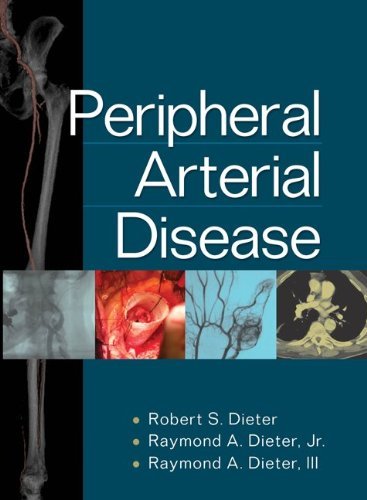
Peripheral Arterial Disease: Dieter, Robert S S., Dieter Jr, Raymond A., Dieter, Raymond A.
Written by a multidisciplinary team of internationally recognized authors, this book <strong>delivers an in-depth and practical overview of peripheral arterial disease</strong>. It covers all major ex
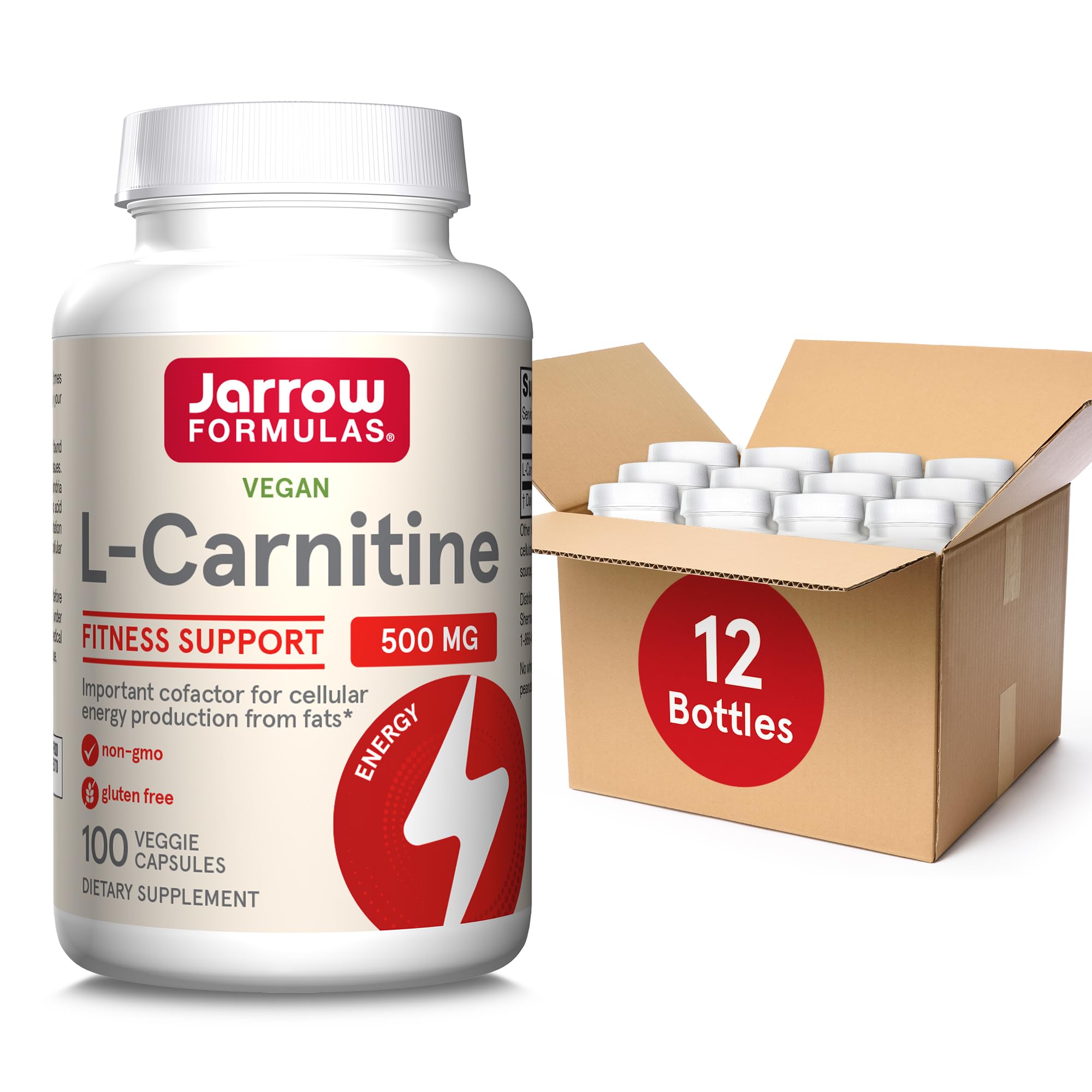
Jarrow Formulas® Acetyl L-Carnitine 500 mg, Dietary Supplement, Amino Acid Support for Brain Health and Antioxidants, 120 Veggie Capsules, 120 Day Supply
Veggie Capsules - <strong>Each capsule delivers 500 mg of acetyl l-carnitine</strong>. Adults take 1 capsule once or twice per day on an empty stomach, or as directed by your qualified healthcare prof
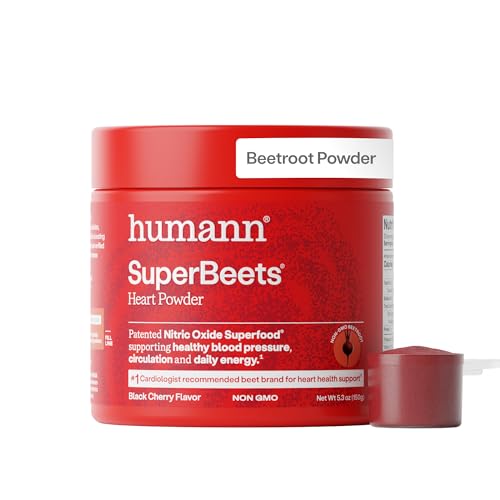
Humann SuperBeets Beet Root Powder - Non-GMO Beetroot Superfood - Nitric Oxide Supplement for Heart Health, Circulation & Blood Pressure Support - Black Cherry, 30 Servings
<strong>INCREASED NITRIC OXIDE PRODUCTION</strong>: Clinically studied formula features patented Nitric Oxide technology that’s verified to generate Nitric Oxide more effectively and efficiently than
Evidence & Sources
Supported by multiple clinical trials and systematic reviews
- 2024 AHA/ACC Guideline for the Management of Lower Extremity Peripheral Artery Disease
- Circulation
- Journal of the American College of Cardiology
- New England Journal of Medicine
- Society for Vascular Surgery
- National Heart, Lung, and Blood Institute (NHLBI)
- National Institute for Health and Care Excellence (NICE)
- World Health Organization (WHO)
- National Center for Complementary and Integrative Health (NCCIH)
This content is for informational purposes only and does not constitute medical advice. Always consult a qualified healthcare provider before starting, stopping, or changing any supplement or medication regimen.