

Overactive Bladder
Overactive Bladder: Overview
Overactive bladder (OAB) is a symptom-based condition characterized by urinary urgency, often accompanied by increased daytime frequency and nocturia (waking at night to urinate), with or without urge urinary incontinence. It is not a single disease, but a clinical syndrome that can arise from changes in bladder muscle signaling, nerve regulation, pelvic floor function, aging-related changes, hormonal influences, or other underlying medical conditions. In practice, OAB is usually identified after other causes of similar symptoms—such as urinary tract infection, bladder stones, uncontrolled diabetes, or neurologic disease—have been considered.
OAB is common and can affect women and men across adulthood, with prevalence increasing with age. Studies from large population surveys suggest that symptoms are widespread and often underreported because many people view them as an expected part of aging or feel uncomfortable discussing bladder control. The condition can affect sleep, work productivity, exercise, travel, intimacy, and emotional well-being, and it is associated with a meaningful quality-of-life burden. In older adults, rushing to the bathroom may also contribute indirectly to falls and injury risk.
From a physiologic standpoint, OAB is often linked to detrusor overactivity—involuntary contractions of the bladder muscle during filling—but not all people with OAB demonstrate this finding on specialized testing. This distinction matters because OAB is primarily a clinical diagnosis based on symptoms, not solely on urodynamic results. Contributing factors may include altered sensory signaling from the bladder, central nervous system processing changes, pelvic floor dysfunction, constipation, menopause-related urogenital changes, prostate enlargement in men, and certain medications or dietary triggers such as caffeine or alcohol.
A balanced understanding of OAB recognizes that it sits at the intersection of urology, gynecology, neurology, geriatrics, and integrative health. Conventional medicine emphasizes evaluation for reversible causes and evidence-based symptom management, while traditional systems may interpret the condition through patterns involving fluid regulation, pelvic vitality, stress, or organ-energy imbalance. Because symptoms can overlap with other urinary disorders, persistent bladder symptoms generally warrant assessment by a qualified healthcare professional.
Compare Treatment Options
Overactive bladder (OAB) is a symptom-based condition marked by urinary urgency, often with daytime frequency, nocturia, and sometimes urge urinary incontinence. In Western medicine, OAB is often understood as a problem of bladder signaling and detrusor overactivity, though symptoms can also overlap with pelvic floor dysfunction, benign prostatic hyperplasia, recurrent urinary tract infection, interstitial cystitis/bladder pain syndrome, medication effects, and neurologic conditions. That overlap is one reason evaluation matters: the same symptom pattern can have different drivers. Treatment options vary because OAB is not a single uniform disease and because people value different tradeoffs. Some prefer lower-risk behavioral strategies first; others prioritize faster symptom reduction even if side effects are more likely. In Gold Bamboo's East-meets-West framework, Western care often emphasizes bladder training, pelvic floor rehabilitation, medications, neuromodulation, and procedure-based therapies, while Eastern approaches may frame symptoms through patterns involving kidney, spleen, liver, or damp-heat imbalance and use acupuncture or traditional herbal strategies. Research suggests that a combined, individualized approach is often most realistic, especially when symptoms affect sleep, work, travel, intimacy, or confidence.
View treatment comparison (7 options)Medical Perspectives
Two Ways of Seeing Health

Western
scientific · clinical
Western medicine applies science, technology, and clinical experience to treat symptoms through testing, diagnosis, and targeted intervention.

Eastern
traditional · alternative
Eastern medicine focuses on treating the body naturally by applying traditional knowledge practiced for thousands of years, emphasizing balance and whole-person wellness.
Gold Bamboo presents both perspectives side-by-side so you can make informed decisions. We don't advocate for one over the other — your health choices are yours.
Western Medicine Perspective
Western / Conventional Medicine Perspective
In conventional medicine, OAB is understood as a storage disorder of the lower urinary tract. The hallmark symptom is urgency, and clinicians typically assess associated frequency, nocturia, leakage episodes, fluid intake patterns, bowel habits, medications, and comorbid conditions. Initial evaluation often includes a medical history, physical examination, urinalysis, and sometimes a bladder diary. Additional testing may be considered when symptoms are complex, refractory, or suggest another diagnosis, such as recurrent infection, hematuria, significant pelvic organ prolapse, obstruction, or neurologic disease.
Management in mainstream care is usually described in stepwise or layered terms. First-line approaches commonly include bladder training, timed voiding, pelvic floor rehabilitation, fluid and lifestyle review, and behavioral strategies aimed at reducing urgency episodes and improving bladder capacity over time. If symptoms remain burdensome, medications such as antimuscarinic agents or beta-3 adrenergic agonists may be used to reduce urgency and frequency; however, studies note variable effectiveness and potential side effects, including dry mouth, constipation, and in some populations concern about cumulative anticholinergic burden. For select patients with persistent symptoms, guideline-based options may include neuromodulation techniques or intradetrusor botulinum toxin, typically under specialist care.
Current research also highlights the importance of phenotyping OAB rather than treating all cases as identical. Investigators are exploring the roles of bladder microbiome changes, low-grade inflammation, estrogen deficiency, sensory nerve hypersensitivity, and central nervous system regulation. This broader view reflects why outcomes differ among individuals and why OAB often overlaps with pelvic pain disorders, constipation, sleep disturbance, and mood symptoms. Conventional medicine generally frames OAB as manageable rather than curable, with treatment tailored to symptom severity, coexisting conditions, and patient goals in consultation with a healthcare provider.
Eastern & Traditional Perspective
Eastern / Traditional Medicine Perspective
In Traditional Chinese Medicine (TCM), symptoms resembling overactive bladder are not usually categorized as a single disease entity but are interpreted through patterns such as Kidney qi deficiency, Kidney yang deficiency, Spleen qi deficiency, damp-heat in the lower burner, or disharmony between the Heart and Kidney. Urgency, frequent urination, nocturia, and leakage may be viewed as signs that the body's capacity to regulate fluids and contain urine has weakened or become disrupted. Emotional strain and stress are also considered relevant in some TCM frameworks, particularly when urinary urgency appears to flare with tension or disturbed sleep.
Traditional East Asian approaches have historically used acupuncture, moxibustion, herbal formulas, and pelvic-strengthening practices to address these patterns. Modern clinical research suggests acupuncture may offer symptom improvement for some patients with OAB, particularly in reducing frequency or urgency scores, but study quality is mixed and protocols vary substantially. As a result, major evidence reviews generally regard these modalities as potentially helpful but not yet definitively established by high-quality, large-scale trials.
In Ayurveda, urinary urgency and frequency may be understood through disturbances in Apana Vata and the balance of urinary channels, sometimes with involvement of tissue weakness, irritation, or age-related decline in containment. Naturopathic and other traditional systems may emphasize factors such as nervous system regulation, pelvic tissue tone, bowel regularity, stress physiology, and dietary irritants. Across these traditions, the overall emphasis is often on pattern recognition and restoring balance, rather than targeting the bladder alone. Even within integrative care, persistent or sudden urinary symptoms are generally considered appropriate for medical evaluation to rule out infection, obstruction, neurologic conditions, or other underlying pathology.
Supplements & Products
Recommended Products

Heal Pelvic Pain: The Proven Stretching, Strengthening, and Nutrition Program for Relieving Pain, Incontinence,& I.B.S, and Other Symptoms Without Surgery: STEIN, Amy
For over 20 years, Amy Stein, PT, ... men, women, and children. She is the founder of and premier practitioner at <strong>Beyond Basics Physical Therapy</strong>, with three locations in New York City
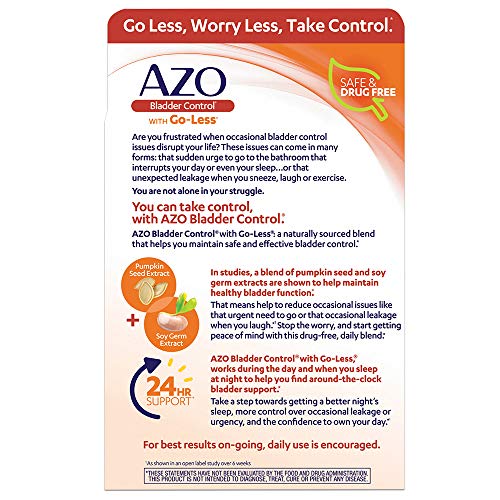
AZO Bladder Control with Go-Less Daily Supplement | Helps Reduce Occasional Urgency* | Helps reduce occasional leakage due to laughing, sneezing and exercise | 54 Count Capsules
NATURALLY-SOURCED INGREDIENTS: AZO Bladder Control is <strong>sourced from pumpkin seed and soy germ</strong>
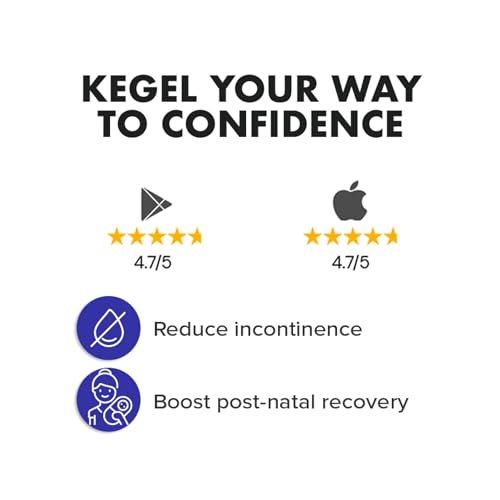
Perifit - Pelvic Floor Exerciser with App | Kegel Trainer | Strengthen Your Pelvic Floor, get Better Bladder Control, Stronger Pelvic Support (Green)
The Perifit Care - Green is an innovative app‑connected Kegel and pelvic floor trainer that <strong>uses real‑time biofeedback and interactive games to help you strengthen your pelvic muscles effectiv
Evidence & Sources
Promising research with growing clinical support from multiple studies
- American Urological Association/Society of Urodynamics, Female Pelvic Medicine & Urogenital Reconstruction (AUA/SUFU) Guideline
- European Association of Urology Guidelines on Non-neurogenic Female Lower Urinary Tract Symptoms
- International Continence Society
- National Institute for Health and Care Excellence (NICE)
- National Institute of Diabetes and Digestive and Kidney Diseases (NIDDK)
- Cochrane Database of Systematic Reviews
- Neurourology and Urodynamics
- The Journal of Urology
- European Urology
- National Center for Complementary and Integrative Health (NCCIH)
This content is for informational purposes only and does not constitute medical advice. Always consult a qualified healthcare provider before starting, stopping, or changing any supplement or medication regimen.