

Osteoarthritis (OA)
Overview
Osteoarthritis (OA) is the most common form of arthritis and a leading cause of pain and disability worldwide. It is generally understood as a chronic joint disorder involving the gradual breakdown of articular cartilage, changes in the underlying bone, low-grade inflammation, and remodeling of surrounding joint tissues. OA most often affects the knees, hips, hands, feet, and spine, and its impact ranges from mild stiffness to substantial limitations in mobility, sleep, work, and quality of life.
Although OA was once described mainly as a “wear-and-tear” condition, current understanding is more nuanced. Research suggests OA is a whole-joint disease, involving cartilage, synovium, subchondral bone, ligaments, and muscles around the joint. Common risk factors include aging, prior joint injury, repetitive mechanical stress, obesity, genetic predisposition, metabolic factors, and altered joint alignment or biomechanics. Symptoms often include joint pain that worsens with activity, brief morning stiffness, crepitus, reduced range of motion, and, in some cases, swelling or bony enlargement.
OA is highly prevalent, particularly in older adults, but it is not limited to aging populations. Sports injuries, occupational strain, obesity, and congenital or structural joint differences can contribute to earlier onset. Because OA often progresses gradually over years, its burden is both personal and public-health related, affecting independence, physical activity, and healthcare utilization. It may also coexist with other chronic conditions such as cardiovascular disease, diabetes, and depression, complicating overall health status.
From an integrative health perspective, OA is often viewed as a condition with mechanical, inflammatory, metabolic, and functional dimensions. Conventional medicine emphasizes diagnosis, symptom control, preservation of function, and in advanced cases surgical management. Traditional systems such as Traditional Chinese Medicine (TCM), Ayurveda, and naturopathy often frame OA in terms of impaired circulation, tissue depletion, constitutional imbalance, or age-related decline, and may emphasize individualized patterns rather than a single disease mechanism. Across systems, there is broad recognition that OA is multifactorial and that management often involves long-term, supportive strategies tailored to the person’s symptoms, function, and overall health context.
Western Medicine Perspective
Western / Conventional Medicine Perspective
In conventional medicine, osteoarthritis is classified as a degenerative and biomechanical joint disease with inflammatory features rather than a purely inflammatory arthritis like rheumatoid arthritis. Diagnosis is based primarily on clinical history and physical examination, with imaging such as X-ray used to identify characteristic changes including joint-space narrowing, osteophytes, subchondral sclerosis, and cyst formation. MRI may be used in selected situations, though symptoms and imaging findings do not always correlate closely. Clinicians also consider other causes of joint pain, such as inflammatory arthritis, crystal arthropathies, referred pain, or tendon and ligament disorders.
Management in western medicine typically focuses on reducing pain, improving function, supporting mobility, and slowing secondary decline. Research supports the central role of exercise therapy, strengthening, physical activity, weight management when relevant, and physical therapy-based functional rehabilitation. Nonpharmacologic approaches are often considered foundational. Medications may include topical or oral analgesics and anti-inflammatory agents, while some patients are offered intra-articular injections for selected joints. In more advanced disease, joint replacement surgery may be considered when pain and functional loss are severe and other measures are no longer sufficient.
Current research increasingly explores OA as a condition influenced by inflammation, metabolic dysfunction, muscle weakness, and altered pain processing, not only structural cartilage loss. This has led to interest in phenotyping OA into different subtypes, such as post-traumatic, obesity-related, inflammatory-predominant, or bone-driven disease. Even so, no single therapy is considered a universal solution, and major guidelines emphasize individualized care plans developed with qualified healthcare professionals.
Eastern & Traditional Perspective
Eastern / Traditional Medicine Perspective
In Traditional Chinese Medicine (TCM), osteoarthritis-like symptoms are often discussed under categories such as Bi syndrome, especially when pain, stiffness, heaviness, and restricted movement are prominent. These symptoms may be interpreted as arising from obstruction of qi and blood flow in the channels, often associated with patterns involving wind, cold, dampness, heat, or underlying liver and kidney deficiency in long-standing cases. From this perspective, aging joints may reflect reduced nourishment of tendons and bones, while painful flare-like states may be understood as a combination of stagnation and pathogenic accumulation. Traditional approaches have historically included acupuncture, moxibustion, manual therapies, movement practices such as tai chi or qigong, and individualized herbal formulas, with pattern differentiation guiding selection.
In Ayurveda, OA is often compared with conditions such as Sandhivata, in which joint degeneration, dryness, crepitus, and pain are commonly associated with an aggravation of Vata dosha, especially in later life. Classical Ayurvedic interpretation may emphasize depletion of joint lubrication, weakened tissue support, digestive-metabolic imbalance, and constitutional susceptibility. Traditional management has included oleation therapies, external applications, bodywork, gentle movement, dietary balancing, and herbal preparations, although methods vary substantially by practitioner lineage and regional tradition.
Naturopathic and other traditional or holistic systems often describe OA as involving chronic low-grade inflammation, impaired tissue repair, mechanical stress, and lifestyle-related contributors. These approaches may incorporate nutrition-focused strategies, mind-body practices, hydrotherapy, botanical medicine, and functional movement work, while also recognizing the need to rule out more serious or inflammatory joint diseases. Evidence for individual traditional therapies is mixed: for example, studies indicate tai chi and acupuncture may help some people with OA symptoms and function, while evidence for many herbal or multi-modality traditional interventions remains variable in quality. Because herbal medicines and manual therapies may carry risks or interact with conventional care, consultation with appropriately trained and licensed practitioners is important.
Supplements & Products
Recommended Products
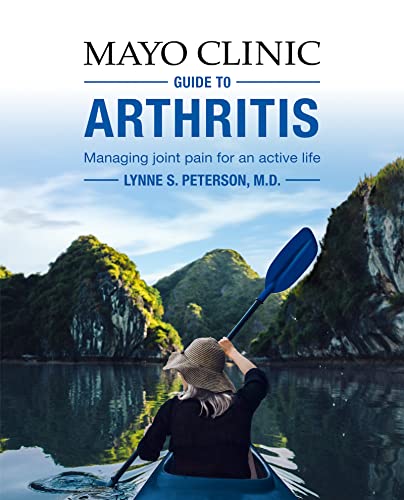
Mayo Clinic Guide to Arthritis: Managing Joint Pain for an Active Life: Peterson M.D., Lynne S.
Lynne S. Peterson ... From the rheumatology experts at Mayo Clinic comes <strong>a complete guide on arthritis</strong>.

Voltaren Arthritis Pain Relief Gel, Diclofenac Sodium, 1% (NSAID), Clinically Proven Powerful Pain Reliever with Easy Open Flip Top Cap, No Prescription Needed, 5.3oz
Buy Voltaren Arthritis Pain Relief Gel, Diclofenac Sodium, 1% (NSAID), Clinically Proven Powerful Pain Reliever with Easy Open Flip Top Cap, No Prescription Needed, 5.3oz on Amazon.com ✓ FREE SHIPPING
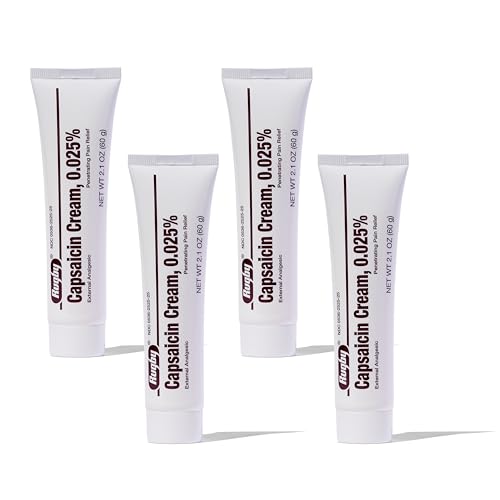
Rugby Capsaicin 0.025% Cream for Penetrating Pain Relief - 2.1 Oz (60g) (6 Pack)
Introducing Rugby Capsaicin 0.025% Cream, <strong>a trusted and reliable penetrating pain relief solution</strong>. This cream is strategically formulated with 0.025% capsaicin, the substance found in
Evidence & Sources
Promising research with growing clinical support from multiple studies
- Osteoarthritis and Cartilage
- American College of Rheumatology (ACR) Guideline for the Management of Osteoarthritis
- Osteoarthritis Research Society International (OARSI) Guidelines
- National Institute for Health and Care Excellence (NICE)
- National Institute of Arthritis and Musculoskeletal and Skin Diseases (NIAMS), NIH
- National Center for Complementary and Integrative Health (NCCIH)
- The Lancet
- Annals of the Rheumatic Diseases
- BMJ
- World Health Organization (WHO)
This content is for informational purposes only and does not constitute medical advice. Always consult a qualified healthcare provider before starting, stopping, or changing any supplement or medication regimen.