

Obsessive-Compulsive Disorder
Also known as: OCD
Overview
Obsessive-Compulsive Disorder (OCD) is a chronic mental health condition marked by two core features: obsessions and compulsions. Obsessions are recurrent, intrusive thoughts, images, or urges that create significant anxiety or distress. Compulsions are repetitive behaviors or mental rituals performed in an attempt to reduce that distress or prevent a feared outcome. Common themes include contamination, checking, symmetry, harm, religious or moral scrupulosity, and unwanted taboo thoughts. Importantly, people with OCD often recognize that these experiences are excessive or difficult to control, yet feel driven to act on them.
OCD is more than a preference for orderliness or cleanliness. In clinical settings, it is understood as a disorder that can substantially impair daily functioning, relationships, work, school performance, and quality of life. Symptoms may fluctuate over time and can range from mild to severe. The condition often coexists with anxiety disorders, depression, tic disorders, and related conditions such as body dysmorphic disorder or hoarding symptoms. Research suggests OCD affects both children and adults worldwide, and its burden is often underestimated because symptoms may be hidden due to shame, fear, or misunderstanding.
From a public health perspective, OCD is significant because it can become highly time-consuming and disabling when untreated. Studies indicate that early recognition is associated with better long-term outcomes, while delayed diagnosis may contribute to entrenched symptom patterns and secondary problems such as social isolation, insomnia, and depressive symptoms. Although the exact cause is not fully understood, conventional research points to a combination of genetic vulnerability, brain circuitry differences, learning mechanisms, and environmental stressors.
In integrative health discussions, OCD is often approached through both biomedical and mind-body frameworks. Western medicine emphasizes diagnosis, psychotherapy, and medication where appropriate. Eastern and traditional systems may interpret OCD-like symptoms through broader patterns of emotional imbalance, nervous system dysregulation, or disturbances in mind-body harmony. Across approaches, a central theme is the importance of individualized care and evaluation by qualified mental health or medical professionals, especially because intrusive thoughts can overlap with trauma-related disorders, psychosis, autism spectrum presentations, or other psychiatric conditions.
Medical Perspectives
Two Ways of Seeing Health

Western
scientific · clinical
Western medicine applies science, technology, and clinical experience to treat symptoms through testing, diagnosis, and targeted intervention.

Eastern
traditional · alternative
Eastern medicine focuses on treating the body naturally by applying traditional knowledge practiced for thousands of years, emphasizing balance and whole-person wellness.
Gold Bamboo presents both perspectives side-by-side so you can make informed decisions. We don't advocate for one over the other — your health choices are yours.
Western Medicine Perspective
Western Medicine Perspective
In conventional psychiatry and psychology, OCD is classified as a distinct disorder within the obsessive-compulsive and related disorders category. Diagnosis is based on clinical criteria such as the presence of obsessions, compulsions, or both; the amount of time they consume; the distress they cause; and the degree to which they interfere with functioning. Western medicine distinguishes OCD from generalized anxiety, psychotic disorders, personality traits, and normal habits by focusing on the repetitive, intrusive, unwanted nature of symptoms and the ritualized attempts to neutralize anxiety.
Current scientific models suggest OCD involves dysfunction in cortico-striato-thalamo-cortical circuits, along with altered signaling in neurotransmitter systems including serotonin, glutamate, and dopamine. Family and twin studies indicate a heritable component, while neuroimaging and neurocognitive research have contributed to understanding impaired threat appraisal, intolerance of uncertainty, and habit-based responding. Stressful life events do not fully explain OCD, but they may influence onset, severity, or relapse in some individuals.
The most established conventional approaches include cognitive behavioral therapy with exposure and response prevention (ERP) and, in some cases, selective serotonin reuptake inhibitors (SSRIs) or related psychiatric medications. For more severe or treatment-resistant cases, specialty interventions such as intensive therapy programs, augmentation strategies, or neuromodulation may be considered in specialist care. Research consistently supports ERP as a first-line psychotherapy, though outcomes vary and treatment often requires careful tailoring. Clinical management also commonly includes assessment for depression, suicidality, tic disorders, substance use, and functional impairment.
A western integrative perspective may also consider supportive strategies such as sleep optimization, stress reduction, family education, and treatment of coexisting conditions. However, conventional guidelines emphasize that OCD generally warrants formal assessment by a licensed mental health professional, and complementary practices are typically viewed as adjunctive rather than primary treatments when symptoms are moderate to severe.
Eastern & Traditional Perspective
Eastern/Traditional Medicine Perspective
In Traditional Chinese Medicine (TCM), OCD-like symptoms are not usually framed as a single disease entity but may be understood through patterns involving disturbance of the Shen (spirit/mind), constraint of Liver qi, phlegm misting the mind, Heart and Spleen deficiency, or internal heat disturbing mental calm. Repetitive thoughts and compulsive behaviors may be interpreted as manifestations of imbalance affecting emotional regulation and the connection between mind and body. TCM approaches have traditionally included herbal formulas, acupuncture, lifestyle regulation, and techniques intended to calm the mind and restore systemic balance.
In Ayurveda, repetitive intrusive thinking and ritualized behaviors may be discussed in relation to disturbances in the gunas and doshas, particularly excess Vata affecting the nervous system and mental restlessness, or combinations involving Rajas and Tamas that disturb clarity and steadiness of mind. Traditional Ayurvedic care may include individualized dietary frameworks, daily routines, meditation, breath practices, herbal preparations, and body-based therapies aimed at grounding and stabilizing mental activity. These interpretations are rooted in classical theory rather than direct one-to-one alignment with modern psychiatric diagnosis.
Naturopathic and integrative traditions often view OCD within a broader framework of nervous system dysregulation, inflammation research, nutrient status, sleep, trauma history, and stress physiology. Practices such as mindfulness, yoga, breathing exercises, and acupuncture are sometimes explored as supportive tools for anxiety regulation and emotional resilience. Some early studies suggest these modalities may help with stress or general anxiety symptoms, but evidence specific to OCD remains limited and less robust than for established psychotherapies.
Across traditional systems, an important caveat is that severe intrusive thoughts, compulsive rituals, or significant functional impairment call for evaluation by qualified psychiatric and medical professionals. Traditional and complementary approaches may be used in integrative settings, but the quality of evidence varies considerably, and not all methods have been rigorously tested for OCD in controlled trials.
Supplements & Products
Recommended Products

Freedom from Obsessive Compulsive Disorder: A Personalized Recovery Program for Living with Uncertainty, Updated Edition: Grayson, Jonathan
Dr Grayson has been specializing ... of Freedom from Obsessive Compulsive Disorder: <strong>a Personalized Recovery Program for Living with Uncertainty, a self-help guide for sufferers</strong>....

Jarrow Formulas N-A-C Sustain 600 mg, Dietary Supplement, NAC 600 mg, an Antioxidant Amino Acid Support for Liver Health, 60 Tablets, 60 Day Supply
"Jarrow Formulas NAC supplement 600 mg <strong>provides the antioxidant amino acid N-Acetyl L-Cysteine which supports detoxification processes</strong>.(1) This amino acid NAC supplement provides
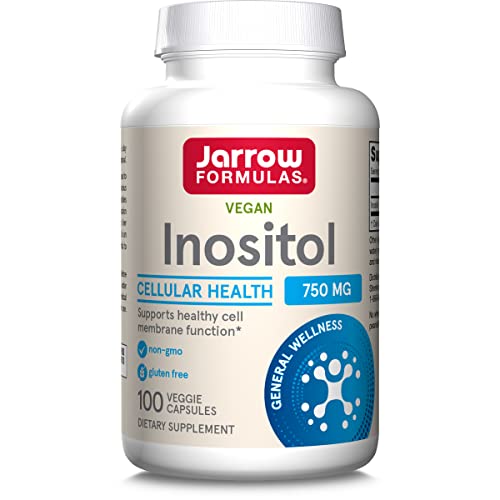
Jarrow Formulas® Inositol 750 mg, Dietary Supplement, Liver Support for Cellular Health and General Wellness, 100 Veggie Capsules, Up to a 100 Day Supply : Everything Else
Daily Wellness Formula: One 100 ... communication in the brain, liver, and muscles; it is also known as myo inositol which <strong>helps with liver detox</strong>(1)...
Evidence & Sources
Supported by multiple clinical trials and systematic reviews
- American Psychiatric Association, Diagnostic and Statistical Manual of Mental Disorders (DSM-5-TR)
- National Institute of Mental Health (NIMH)
- National Institute for Health and Care Excellence (NICE) Guidelines on Obsessive-Compulsive Disorder
- International OCD Foundation
- World Health Organization (WHO)
- JAMA Psychiatry
- The American Journal of Psychiatry
- Cochrane Database of Systematic Reviews
- National Center for Complementary and Integrative Health (NCCIH)
- The Lancet Psychiatry
This content is for informational purposes only and does not constitute medical advice. Always consult a qualified healthcare provider before starting, stopping, or changing any supplement or medication regimen.