

Nonalcoholic Fatty Liver Disease (NAFLD) — Alternative and Integrative Medicine
Overview
Nonalcoholic fatty liver disease (NAFLD) refers to a spectrum of liver conditions characterized by excess fat accumulation in the liver in people who consume little or no alcohol. It is now one of the most common chronic liver conditions worldwide and is closely linked with metabolic dysfunction, including obesity, insulin resistance, type 2 diabetes, dyslipidemia, and cardiovascular risk. In recent years, many experts have also adopted the related term metabolic dysfunction–associated steatotic liver disease (MASLD) to better reflect the condition’s metabolic roots, though NAFLD remains widely used in both research and public education.
NAFLD exists on a continuum. At one end is simple steatosis, in which fat accumulates in the liver without major inflammation. At the more severe end is nonalcoholic steatohepatitis (NASH), which involves liver inflammation and cellular injury and may progress to fibrosis, cirrhosis, liver failure, or hepatocellular carcinoma. Many people have no obvious symptoms, and the condition is often discovered through abnormal liver enzymes or imaging performed for other reasons. This silent progression is one reason the topic has drawn substantial interest in preventive, lifestyle-based, and integrative medicine.
From an integrative medicine perspective, NAFLD is notable because it sits at the intersection of nutrition, metabolic health, inflammation, gut-liver interactions, sleep, stress physiology, and long-term chronic disease risk. Research suggests that dietary patterns, physical activity, body composition, circadian disruption, and the intestinal microbiome all influence liver fat accumulation and disease progression. This has led to growing interest in complementary approaches such as Mediterranean-style eating patterns, mind-body practices, selected botanical agents, and microbiome-focused strategies, although evidence quality varies significantly across interventions.
At the same time, NAFLD is not simply a “lifestyle issue.” Conventional hepatology recognizes that genetics, ethnicity, hormonal status, environmental exposures, and complex metabolic pathways all contribute. An authoritative discussion therefore requires balance: some integrative approaches show promising supportive evidence, while others remain preliminary or traditional in nature. Because progressive liver disease can occur without symptoms, evaluation by qualified healthcare professionals remains important, particularly when fibrosis risk, diabetes, obesity, or abnormal liver tests are present.
Western Medicine Perspective
Western / Conventional Medicine Perspective
In conventional medicine, NAFLD is understood primarily as a metabolic liver disorder driven by insulin resistance, altered lipid handling, oxidative stress, mitochondrial dysfunction, inflammatory signaling, and in some cases genetic susceptibility. Clinicians typically assess the condition using a combination of medical history, alcohol-use assessment, blood tests, ultrasound or other imaging, and increasingly noninvasive fibrosis tools such as FIB-4, elastography, or specialized biomarkers. This is important because the major determinant of long-term outcomes is not simply fat in the liver, but the presence and degree of fibrosis.
Conventional management emphasizes risk stratification and metabolic risk reduction. Research consistently indicates that body-weight reduction, improved diet quality, increased physical activity, and management of type 2 diabetes, lipid abnormalities, sleep apnea, and cardiovascular risk factors are central to care. Pharmacologic options for NAFLD/NASH have historically been limited, though this area is evolving. In mainstream hepatology, supplements and complementary therapies are generally viewed as adjunctive and are evaluated according to safety, liver-specific outcomes, and histologic or imaging-based endpoints rather than general wellness claims.
Regarding integrative therapies, western evidence is mixed. Some studies suggest potential benefit from interventions such as Mediterranean dietary patterns, coffee intake, omega-3 fatty acids for triglyceride-related metabolic profiles, vitamin E in selected populations, and structured exercise independent of major weight loss. Other approaches—including many herbal formulations marketed for “liver cleansing”—lack robust evidence or raise concerns about product quality, contamination, drug interactions, or herb-induced liver injury. For this reason, conventional medicine generally treats alternative therapies cautiously and places high value on validated diagnosis, fibrosis monitoring, and clinician oversight.
Eastern & Traditional Perspective
Eastern / Traditional Medicine Perspective
In Traditional Chinese Medicine (TCM), NAFLD is not historically described as a single disease entity but is often interpreted through patterns involving phlegm-damp accumulation, liver qi stagnation, spleen deficiency, damp-heat, and blood stasis. Within this framework, fatty liver reflects impaired transformation and transport, constrained qi flow, and accumulation of pathological dampness and phlegm. Traditional approaches may include individualized herbal formulas, acupuncture, dietary patterning, and movement practices such as tai chi or qigong. Modern TCM research has explored formulas and compounds aimed at supporting lipid metabolism, inflammatory balance, and digestive function, though study quality is variable and standardization remains a challenge.
In Ayurveda, fatty liver may be interpreted through disturbances involving meda dhatu (fat metabolism), agni (digestive/metabolic fire), and imbalances in kapha and pitta, depending on the presentation. Classical Ayurvedic reasoning may view sluggish metabolism, accumulation, and impaired digestion as key themes. Interventions traditionally used in this context can include individualized dietary strategies, daily routine regulation, stress reduction, yoga, and selected botanicals. However, translating Ayurvedic diagnostic categories into modern hepatology outcomes is complex, and many published studies remain small or heterogeneous.
Broader naturopathic and integrative frameworks often emphasize the gut-liver axis, anti-inflammatory nutrition, sleep regularity, stress physiology, metabolic resilience, and cautious use of nutraceuticals such as omega-3s, probiotics, silymarin, berberine, or curcumin. Some early studies suggest these interventions may improve surrogate markers such as liver enzymes, insulin sensitivity, or imaging-based steatosis, but evidence is inconsistent and product quality varies. Across eastern and traditional systems, the strongest contemporary overlap with western evidence tends to occur around whole-diet patterns, physical activity, mind-body practices, and metabolic regulation, rather than any single “detoxifying” remedy.
An integrative interpretation therefore sees value in traditional systems for their pattern-based, whole-person orientation, while also recognizing the need for careful diagnostic evaluation, attention to herb safety, and ongoing collaboration with licensed healthcare professionals when liver disease is suspected or established.
Supplements & Products
Recommended Products

Integrative Gastroenterology: Mullin, Gerard
Gerard E. Mullin is <strong>Associate Professor of Medicine, Director of Integrative GI Nutrition Services, and Director of Capsule Endoscopy for the Gastroenterology Division at the Johns Hopkins Hos
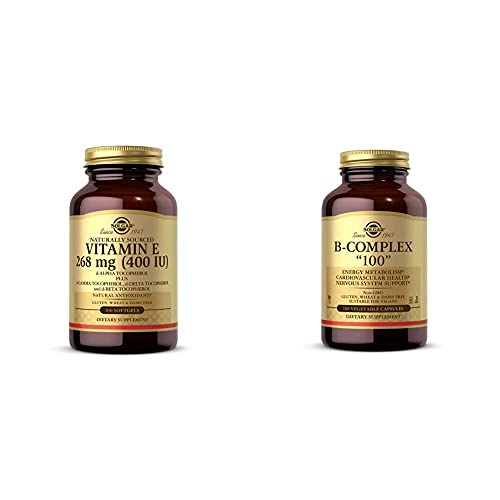
Solgar Vitamin E 268 MG (400 IU) (d-Alpha Tocopherol & Mixed Tocopherols), 100 Softgels - Supports Immune System & Skin Nutrition - Natural Antioxidant - Gluten Free, Dairy Free - 100 Servings : Everything Else
Buy Solgar Vitamin E 268 MG (400 IU) (d-Alpha Tocopherol & Mixed Tocopherols), 100 Softgels - <strong>Supports Immune System & Skin Nutrition - Natural Antioxidant - Gluten Free, Dairy Free -

Jarrow Formulas Milk Thistle Supplement 150 mg. 30:1 Milk Thistle Extract Standardized to 80% Total Flavonoids, Dietary Supplement for Liver Function Support, 200 Veggie Capsules, Up to 200 Day Supply
Dietary supplement with 150 mg of Milk Thistle Seed Extract <strong>supports Glutathione levels to support liver function</strong>. Each serving supplies a standardized 30:1 Milk Thistle extract with
Evidence & Sources
Promising research with growing clinical support from multiple studies
- American Association for the Study of Liver Diseases (AASLD) Practice Guidance
- European Association for the Study of the Liver (EASL) Clinical Practice Guidelines
- Nature Reviews Gastroenterology & Hepatology
- Hepatology
- Journal of Hepatology
- National Institute of Diabetes and Digestive and Kidney Diseases (NIDDK)
- National Center for Complementary and Integrative Health (NCCIH)
- World Journal of Gastroenterology
This content is for informational purposes only and does not constitute medical advice. Always consult a qualified healthcare provider before starting, stopping, or changing any supplement or medication regimen.