

Nonalcoholic Fatty Liver Disease (NAFLD)
Overview
Nonalcoholic Fatty Liver Disease (NAFLD) is a broad term for a spectrum of liver conditions characterized by excess fat accumulation in the liver in people who consume little or no alcohol. It has become one of the most common chronic liver disorders worldwide, paralleling rising rates of obesity, insulin resistance, type 2 diabetes, metabolic syndrome, and sedentary lifestyle. In recent years, many experts and organizations have increasingly used the term Metabolic Dysfunction-Associated Steatotic Liver Disease (MASLD) to reflect the central role of metabolic health, though NAFLD remains widely recognized in clinical and public education.
NAFLD ranges from simple steatosis (fat buildup without major inflammation) to nonalcoholic steatohepatitis (NASH), a more advanced form involving inflammation and liver cell injury that can progress to fibrosis, cirrhosis, liver failure, and hepatocellular carcinoma. Many people with NAFLD have no obvious symptoms, especially early on. When symptoms do occur, they may be nonspecific, such as fatigue, malaise, or discomfort in the upper right abdomen. Because the condition is often silent, it is commonly identified through abnormal liver enzymes, imaging studies, or evaluation of cardiometabolic risk factors.
NAFLD is considered significant not only because of its liver-related complications, but also because it is closely linked to broader systemic health risks. Research suggests that people with NAFLD have a higher likelihood of cardiovascular disease, chronic kidney disease, and endocrine-metabolic disorders. In many cases, cardiovascular disease is a leading cause of illness and death among affected individuals. This has shifted the clinical conversation from viewing NAFLD as an isolated liver problem to understanding it as part of a larger metabolic and inflammatory state.
The condition is complex and multifactorial. Studies indicate that NAFLD can involve interactions among genetics, diet, adipose tissue dysfunction, gut microbiome changes, insulin resistance, oxidative stress, and chronic low-grade inflammation. Not everyone with liver fat develops progressive liver disease, and disease severity can vary substantially between individuals. For that reason, modern approaches generally emphasize risk stratification, assessment of fibrosis, and evaluation of associated metabolic conditions, while traditional systems often frame the condition in terms of broader patterns of imbalance involving digestion, circulation, and systemic vitality. Any interpretation of liver-related symptoms or lab changes is best considered in consultation with a qualified healthcare professional.
Western Medicine Perspective
Western / Conventional Medicine Perspective
In conventional medicine, NAFLD is understood as a metabolic liver disorder marked by hepatic fat accumulation not primarily caused by alcohol use or other secondary causes such as certain medications, viral hepatitis, or rare genetic diseases. The condition is strongly associated with insulin resistance, which contributes to increased fat delivery to the liver, altered lipid metabolism, and inflammatory signaling. Clinicians often divide NAFLD into steatosis and steatohepatitis, with particular attention to whether fibrosis is present, because fibrosis stage is one of the strongest predictors of long-term outcomes.
Evaluation typically includes a review of metabolic risk factors, laboratory testing, and noninvasive assessment tools. Liver enzymes may be normal even when disease is present, so diagnosis does not rely on blood tests alone. Ultrasound, vibration-controlled transient elastography, MRI-based techniques, and fibrosis scoring systems such as FIB-4 are commonly used to assess liver fat and estimate scarring risk. In selected cases, liver biopsy remains the reference standard for distinguishing simple steatosis from steatohepatitis and staging fibrosis, though it is generally reserved for situations where the diagnosis or severity remains uncertain.
Conventional management focuses on the underlying metabolic environment rather than a single isolated liver target. Research supports the importance of weight reduction, physical activity, improved dietary patterns, diabetes management, lipid control, and cardiovascular risk reduction. Depending on the patient population and region, certain pharmacologic options may be considered in specialist care for biopsy-confirmed or high-risk disease, but there has historically been no universally applicable medication for all NAFLD cases. Ongoing research is exploring agents that target fibrosis, inflammation, insulin signaling, lipid handling, and incretin pathways.
From a prognosis standpoint, mild fatty liver may remain stable for years, while more advanced inflammatory disease can progress. Studies suggest that the greatest concern centers on people with NASH and clinically significant fibrosis, who face higher risks of cirrhosis, liver-related complications, and liver cancer. Conventional medicine therefore emphasizes early identification of higher-risk individuals, monitoring of disease progression, and coordinated care that addresses both liver health and the broader cardiometabolic context.
Eastern & Traditional Perspective
Eastern / Traditional Medicine Perspective
In Traditional Chinese Medicine (TCM), NAFLD is not historically described as a single disease entity, but its presentation is often interpreted through patterns such as Liver qi stagnation, Spleen deficiency, dampness accumulation, phlegm retention, heat, and blood stasis. From this perspective, impaired transformation and transportation of սնplaceholder? digestion-related functions may contribute to the internal buildup of dampness and phlegm, while emotional stress, irregular eating patterns, and constitutional weakness may further disrupt the Liver-Spleen axis. Traditional assessment focuses on the overall pattern of imbalance rather than liver fat as an isolated pathology.
TCM literature has traditionally used approaches intended to soothe the Liver, strengthen the Spleen, resolve dampness, clear heat, and invigorate blood, with selection varying according to the individual's presentation. Herbal formulas and acupuncture are often discussed in traditional and integrative settings, particularly for people whose symptom patterns include fullness, fatigue, digestive heaviness, irritability, or signs of damp-heat. Modern clinical research on TCM for fatty liver exists, but study quality is variable, and interpretation is limited by heterogeneity in formulas, diagnostic frameworks, and outcome measures.
In Ayurveda, presentations resembling NAFLD may be understood through disturbances involving meda dhatu (fat tissue metabolism), agni (digestive/metabolic fire), and doshic imbalance, particularly kapha accumulation with possible pitta involvement in inflammatory states. The liver may be considered in relation to broader metabolic congestion, impaired digestion, and toxin-like accumulation described traditionally as ama. Classical and contemporary Ayurvedic discussions often emphasize restoring metabolic balance, digestive efficiency, and systemic harmony rather than treating liver fat as a standalone condition.
Naturopathic and other traditional systems similarly tend to frame NAFLD within a whole-person model involving nutrition, metabolic resilience, digestive function, stress, sleep, and inflammatory burden. While some botanical and integrative interventions have shown preliminary promise in research, the evidence base is still evolving, and product quality, dosing, interactions, and safety can vary considerably. For that reason, traditional approaches are generally best understood as complementary frameworks that may inform supportive care discussions alongside appropriate medical evaluation, especially when liver enzymes are elevated, fibrosis is suspected, or multiple metabolic conditions are present.
Supplements & Products
Recommended Products
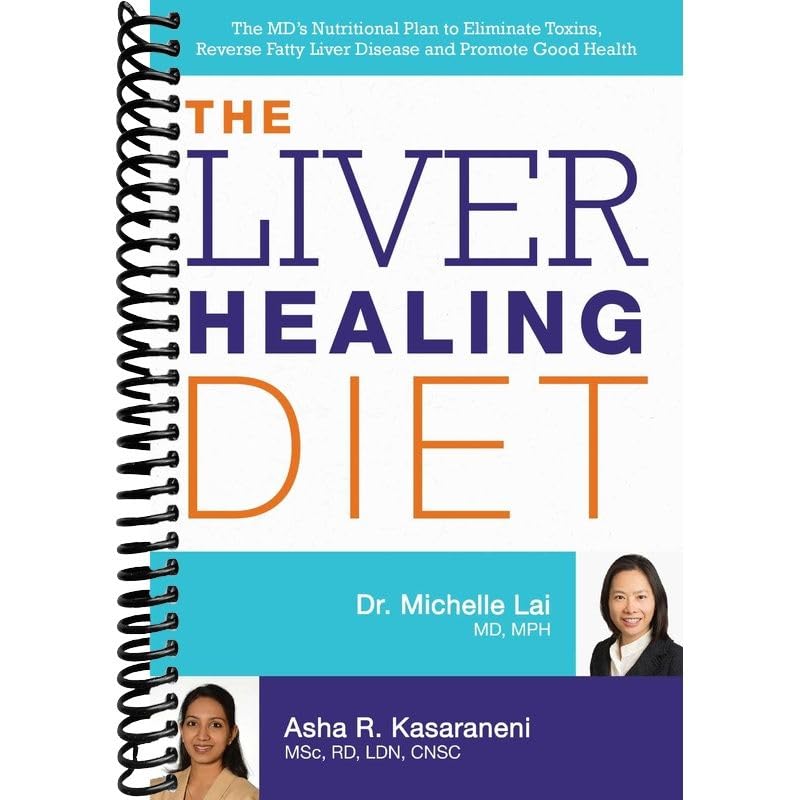
The Liver Healing Diet: The MD's Nutritional Plan to Eliminate Toxins, Reverse Fatty Liver Disease and Promote Good Health: Lai, Dr. Michelle, Kasaraneni, Asha
The Liver Healing Diet: <strong>The MD's Nutritional Plan to Eliminate Toxins, Reverse Fatty Liver Disease and Promote Good Health</strong> [Lai, Dr. Michelle, Kasaraneni, Asha] on Amazon.com. *F

NOW Foods Supplements, Vitamin E-400 IU, D-Alpha Tocopheryl, Antioxidant Protection*, 250 Softgels
Buy NOW Foods Supplements, Vitamin E-400 IU, D-Alpha Tocopheryl, Antioxidant Protection*, 250 Softgels on Amazon.com ✓ FREE SHIPPING on qualified orders

Nordic Naturals Ultimate Omega, Lemon Flavor - 90 Soft Gels - 1280 mg Omega-3 - High-Potency Omega-3 Fish Oil Supplement with EPA & DHA - Promotes Brain & Heart Health - Non-GMO - 45 Servings
Buy Nordic Naturals Ultimate Omega, Lemon Flavor - 90 Soft Gels - 1280 mg Omega-3 - High-Potency Omega-3 Fish Oil Supplement with EPA & DHA - Promotes Brain & Heart Health - Non-GMO - 45 Servi
Evidence & Sources
Promising research with growing clinical support from multiple studies
- American Association for the Study of Liver Diseases (AASLD) Practice Guidance
- European Association for the Study of the Liver (EASL) Clinical Practice Guidelines
- The Lancet Gastroenterology & Hepatology
- Hepatology
- Journal of Hepatology
- National Institute of Diabetes and Digestive and Kidney Diseases (NIDDK)
- National Center for Complementary and Integrative Health (NCCIH)
- World Health Organization (WHO)
This content is for informational purposes only and does not constitute medical advice. Always consult a qualified healthcare provider before starting, stopping, or changing any supplement or medication regimen.