

Nonalcoholic Fatty Liver Disease
Also known as: NAFLD, Nonalcoholic Fatty Liver Disease (NAFLD)
Overview
Nonalcoholic Fatty Liver Disease (NAFLD) is a broad term for excess fat accumulation in the liver in people who consume little or no alcohol. It is now one of the most common liver conditions worldwide and is closely linked with insulin resistance, type 2 diabetes, central obesity, dyslipidemia, and metabolic syndrome. In recent years, many experts and organizations have also adopted the term Metabolic dysfunction-associated steatotic liver disease (MASLD) to better reflect its underlying metabolic drivers. The condition exists on a spectrum, ranging from simple liver fat buildup to more inflammatory and potentially progressive forms.
NAFLD may include simple steatosis—fat in the liver without substantial injury—or nonalcoholic steatohepatitis (NASH), in which fat accumulation is accompanied by inflammation and liver-cell injury. Over time, some individuals with NASH develop fibrosis (scarring), and advanced fibrosis can progress to cirrhosis, liver failure, or hepatocellular carcinoma. Although many people with NAFLD have no symptoms, some report fatigue, malaise, or vague right upper abdominal discomfort. The condition is often discovered incidentally through abnormal liver enzymes or imaging performed for other reasons.
From a public health perspective, NAFLD is significant because it is not only a liver disorder but also a marker of broader metabolic risk. Studies indicate that cardiovascular disease is a major cause of illness and death among people with NAFLD, and the condition is associated with increased risk of chronic kidney disease, sleep apnea, and endocrine-metabolic disorders. Prevalence estimates vary by population and diagnostic criteria, but global analyses suggest that roughly one in four adults may have fatty liver related to metabolic dysfunction, with rising rates in children and adolescents as well.
The causes of NAFLD are multifactorial. Research suggests that genetic predisposition, dietary patterns, sedentary behavior, gut microbiome changes, hormonal influences, and chronic low-grade inflammation all contribute. Risk is higher in people with obesity or diabetes, but NAFLD can also occur in individuals with normal body weight, sometimes described as lean NAFLD. Because disease severity cannot be determined by symptoms alone, clinical evaluation often focuses on identifying fibrosis risk and related metabolic conditions while ruling out other causes of liver disease.
Compare Treatment Options
Fatty liver disease refers to excess fat buildup in the liver. In current clinical language, the most common form is often called metabolic dysfunction–associated steatotic liver disease (MASLD), previously known as nonalcoholic fatty liver disease (NAFLD). It exists on a spectrum: some people have simple fat accumulation with little immediate injury, while others develop inflammation, liver cell damage, and progressive scarring (fibrosis). Fatty liver can also be related to alcohol use, certain medications, rapid weight change, or overlapping metabolic conditions such as insulin resistance, type 2 diabetes, elevated triglycerides, and central obesity. Treatment options vary because the condition itself varies. A person with mild steatosis and no fibrosis may focus mainly on metabolic risk reduction, while someone with elevated liver enzymes, diabetes, or signs of fibrosis may need more structured medical follow-up and a broader treatment plan. Western care often emphasizes weight loss, exercise, cardiometabolic treatment, and selected medications in appropriate patients. Eastern and integrative approaches may include acupuncture, traditional herbal formulas, and food-based strategies aimed at digestion, inflammation, and metabolic balance. As with related Gold Bamboo content on Nonalcoholic Fatty Liver Disease and Natural Remedies for NAFLD, the most useful approach is often individualized and grounded in both safety and evidence quality.
View treatment comparison (6 options)Medical Perspectives
Two Ways of Seeing Health

Western
scientific · clinical
Western medicine applies science, technology, and clinical experience to treat symptoms through testing, diagnosis, and targeted intervention.

Eastern
traditional · alternative
Eastern medicine focuses on treating the body naturally by applying traditional knowledge practiced for thousands of years, emphasizing balance and whole-person wellness.
Gold Bamboo presents both perspectives side-by-side so you can make informed decisions. We don't advocate for one over the other — your health choices are yours.
Western Medicine Perspective
Western Medicine Perspective
In conventional medicine, NAFLD is understood primarily as a metabolic and hepatic manifestation of systemic insulin resistance. Excess caloric intake, altered lipid handling, and impaired glucose metabolism can lead to fat deposition in liver cells. A subset of patients then develops oxidative stress, mitochondrial dysfunction, inflammatory signaling, and fibrotic remodeling. Current medical thinking places special emphasis on fibrosis stage as the strongest predictor of liver-related and overall outcomes.
Evaluation typically includes a review of alcohol intake, medications, viral hepatitis risk, and metabolic health, along with laboratory testing and liver imaging. Ultrasound is commonly used to detect steatosis, while noninvasive tools such as FIB-4, transient elastography, and fibrosis scores are increasingly used to estimate scarring risk. Liver biopsy remains the reference standard for distinguishing simple steatosis from steatohepatitis and staging fibrosis, but it is generally reserved for selected cases because it is invasive. Clinical management in mainstream practice generally centers on risk stratification, monitoring disease progression, and addressing associated conditions such as diabetes, elevated lipids, hypertension, and obesity.
Research on treatment has expanded rapidly, but evidence remains mixed across drug and supplement categories. Studies support the importance of weight reduction, improved dietary quality, and physical activity as central components of disease management, while certain medications may be considered in selected patients based on diabetes status, fibrosis risk, and specialist assessment. Conventional care also emphasizes surveillance for complications in advanced disease and coordination among primary care, endocrinology, hepatology, and cardiometabolic specialists. People with suspected or confirmed NAFLD are commonly advised to discuss evaluation and follow-up with a qualified healthcare professional, particularly because liver enzyme levels may be normal even when fibrosis is present.
Eastern & Traditional Perspective
Eastern/Traditional Medicine Perspective
Traditional East Asian medicine does not describe NAFLD using the same biomedical category, but its symptom patterns are often interpreted through frameworks involving phlegm-damp accumulation, liver qi stagnation, spleen deficiency, damp-heat, and blood stasis. In this view, impaired transformation and transport of fluids and nutrients may contribute to internal dampness and phlegm, while emotional stress, irregular eating patterns, and sedentary habits may disrupt liver and spleen function. Rather than focusing solely on fat within the liver, traditional systems generally assess the broader pattern of digestion, energy, circulation, sleep, and emotional balance.
In Traditional Chinese Medicine (TCM), clinical approaches have historically aimed to “resolve dampness,” “transform phlegm,” “soothe liver qi,” and “invigorate blood,” depending on the individual presentation. Herbal formulas and acupuncture are traditionally used within this pattern-based model, especially when NAFLD appears alongside fatigue, abdominal fullness, poor appetite, irritability, or metabolic imbalance. Modern Chinese clinical research has explored herbal combinations, acupuncture, and integrative care for fatty liver disease, with some studies suggesting improvements in liver enzymes, imaging findings, or metabolic markers; however, study quality is variable, and heterogeneity in formulas and methods makes broad conclusions difficult.
In Ayurveda, presentations resembling NAFLD may be discussed in relation to imbalances in meda dhatu (fat tissue), agni (digestive/metabolic fire), and accumulation of ama (metabolic waste), with the liver connected to broader processes of digestion, transformation, and heat. Naturopathic and traditional nutrition-oriented systems often frame fatty liver as part of a whole-body metabolic burden involving diet quality, inflammation, digestive function, and toxic load. Across these traditions, the emphasis is typically holistic and individualized. At the same time, because some herbal products may affect the liver or interact with medications, integrative care is generally considered safest when coordinated with a licensed healthcare provider familiar with both conventional and traditional approaches.
Related Topics
Weight Loss
Weight Loss — condition topic in the Gold Bamboo health ontology.
How They Relate
Nonalcoholic Fatty Liver Disease (NAFLD) & Weight Loss
Nonalcoholic fatty liver disease (NAFLD)—now often termed metabolic dysfunction–associated steatotic liver disease (MASLD)—is closely tied to excess body weight and insulin resistance. In overweigh...
Supplements & Products
Recommended Products
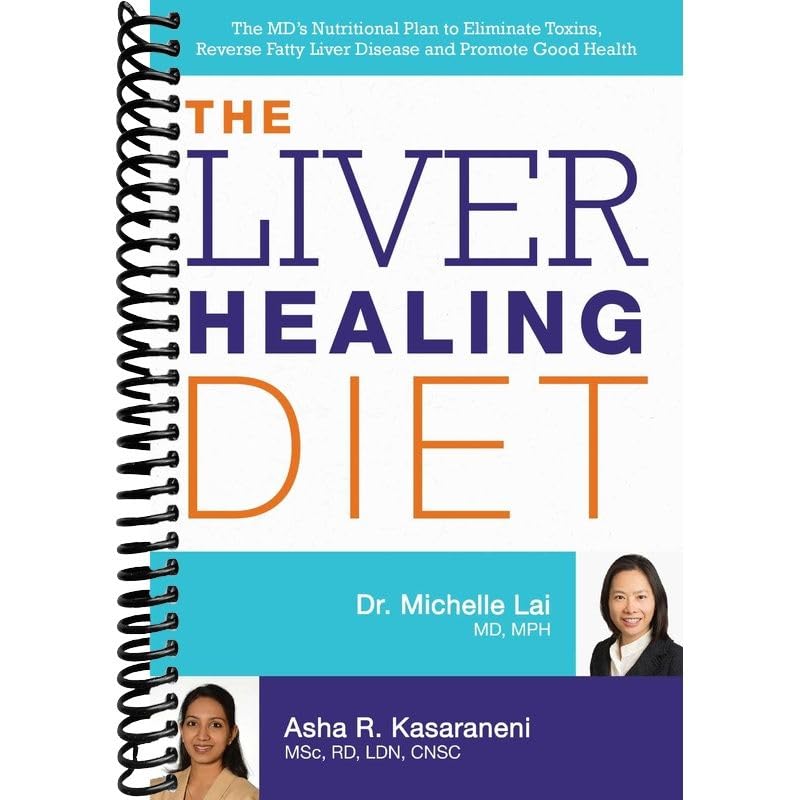
The Liver Healing Diet: The MD's Nutritional Plan to Eliminate Toxins, Reverse Fatty Liver Disease and Promote Good Health: Lai, Dr. Michelle, Kasaraneni, Asha
The Liver Healing Diet: <strong>The MD's Nutritional Plan to Eliminate Toxins, Reverse Fatty Liver Disease and Promote Good Health</strong> [Lai, Dr. Michelle, Kasaraneni, Asha] on Amazon.com. *F

NOW Foods Supplements, Vitamin E-400 IU, D-Alpha Tocopheryl, Antioxidant Protection*, 250 Softgels
Buy NOW Foods Supplements, Vitamin E-400 IU, D-Alpha Tocopheryl, Antioxidant Protection*, 250 Softgels on Amazon.com ✓ FREE SHIPPING on qualified orders

Nordic Naturals Ultimate Omega, Lemon Flavor - 90 Soft Gels - 1280 mg Omega-3 - High-Potency Omega-3 Fish Oil Supplement with EPA & DHA - Promotes Brain & Heart Health - Non-GMO - 45 Servings
Buy Nordic Naturals Ultimate Omega, Lemon Flavor - 90 Soft Gels - 1280 mg Omega-3 - High-Potency Omega-3 Fish Oil Supplement with EPA & DHA - Promotes Brain & Heart Health - Non-GMO - 45 Servi

Integrative Gastroenterology: Mullin, Gerard
Gerard E. Mullin is <strong>Associate Professor of Medicine, Director of Integrative GI Nutrition Services, and Director of Capsule Endoscopy for the Gastroenterology Division at the Johns Hopkins Hos
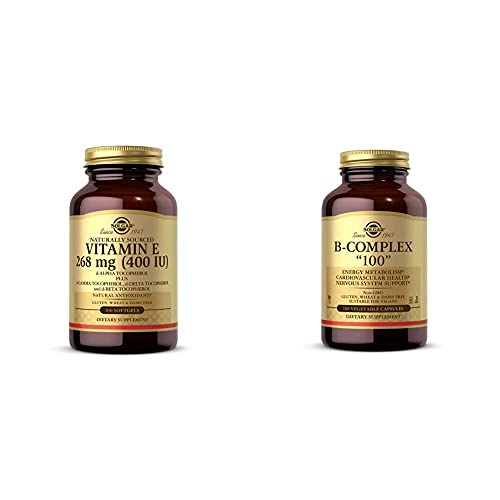
Solgar Vitamin E 268 MG (400 IU) (d-Alpha Tocopherol & Mixed Tocopherols), 100 Softgels - Supports Immune System & Skin Nutrition - Natural Antioxidant - Gluten Free, Dairy Free - 100 Servings : Everything Else
Buy Solgar Vitamin E 268 MG (400 IU) (d-Alpha Tocopherol & Mixed Tocopherols), 100 Softgels - <strong>Supports Immune System & Skin Nutrition - Natural Antioxidant - Gluten Free, Dairy Free -

Jarrow Formulas Milk Thistle Supplement 150 mg. 30:1 Milk Thistle Extract Standardized to 80% Total Flavonoids, Dietary Supplement for Liver Function Support, 200 Veggie Capsules, Up to 200 Day Supply
Dietary supplement with 150 mg of Milk Thistle Seed Extract <strong>supports Glutathione levels to support liver function</strong>. Each serving supplies a standardized 30:1 Milk Thistle extract with
Evidence & Sources
Promising research with growing clinical support from multiple studies
- American Association for the Study of Liver Diseases (AASLD) Practice Guidance
- European Association for the Study of the Liver (EASL) Clinical Practice Guidelines
- The Lancet Gastroenterology & Hepatology
- Journal of Hepatology
- Hepatology
- New England Journal of Medicine
- National Institute of Diabetes and Digestive and Kidney Diseases (NIDDK)
- National Center for Complementary and Integrative Health (NCCIH)
- World Health Organization (WHO)
- Nature Reviews Gastroenterology & Hepatology
This content is for informational purposes only and does not constitute medical advice. Always consult a qualified healthcare provider before starting, stopping, or changing any supplement or medication regimen.