

Night Sweats
Also known as: Sleeping Sweats, Sweating at Night
Overview
Night sweats refer to episodes of excessive sweating during sleep that go beyond simply feeling too warm under heavy bedding or in a hot room. They can range from mild dampness to drenching perspiration that requires changing sleepwear or bed linens. While night sweats are often discussed as a symptom of menopause and hormonal shifts, they are not a diagnosis on their own. Instead, they can be associated with a broad set of underlying factors, including infection, medication effects, endocrine changes, anxiety, sleep disorders, alcohol use, and certain medical conditions.
Night sweats are relatively common in adults and are frequently reported in primary care, gynecology, and sleep medicine settings. In many cases, the cause is benign or manageable, such as room temperature, stress, or side effects of common medications. However, because persistent night sweats can also occur alongside more serious conditions, conventional clinicians often interpret them in the context of other symptoms, such as fever, unintentional weight loss, enlarged lymph nodes, fatigue, cough, or menstrual changes. This broader clinical context helps distinguish normal temperature fluctuations from a symptom that warrants further evaluation.
From a quality-of-life perspective, recurring night sweats may disrupt sleep continuity, daytime energy, mood, and overall comfort. People may seek natural or integrative approaches to better understand triggers and support sleep, particularly when symptoms are linked to stress, perimenopause, or lifestyle factors. Research and traditional medicine systems alike often emphasize the value of considering patterns—including timing, associated symptoms, emotional state, diet, and environmental conditions—rather than viewing sweating in isolation.
Because the causes of night sweats are diverse, balanced health education typically focuses on two themes: identifying possible contributors and supporting whole-person well-being. Persistent, severe, or unexplained night sweats are generally considered a symptom that merits discussion with a qualified healthcare professional, especially when accompanied by other concerning changes in health.
Medical Perspectives
Two Ways of Seeing Health

Western
scientific · clinical
Western medicine applies science, technology, and clinical experience to treat symptoms through testing, diagnosis, and targeted intervention.

Eastern
traditional · alternative
Eastern medicine focuses on treating the body naturally by applying traditional knowledge practiced for thousands of years, emphasizing balance and whole-person wellness.
Gold Bamboo presents both perspectives side-by-side so you can make informed decisions. We don't advocate for one over the other — your health choices are yours.
Western Medicine Perspective
Western Medicine Perspective
In conventional medicine, night sweats are understood as a symptom with many possible causes, not a disease itself. Common associations include menopause and perimenopause, where fluctuating estrogen levels can affect the body's thermoregulatory system and contribute to hot flashes that continue into sleep. Other recognized contributors include infection (such as tuberculosis or viral illnesses), endocrine disorders (including hyperthyroidism), gastroesophageal reflux, obstructive sleep apnea, anxiety, and certain cancers, particularly when night sweats occur with systemic symptoms. Medication-related sweating is also well described, with antidepressants, hormone-related therapies, antipyretics, and some diabetes medications among the agents commonly discussed in clinical literature.
Evaluation in a western setting generally begins with a history and symptom review. Clinicians often look at the duration and severity of sweating, bedroom environment, menstrual or reproductive history, medication use, alcohol intake, and associated features such as fever, weight loss, palpitations, cough, pain, or sleep disruption. Depending on the presentation, assessment may include examination and selected laboratory or diagnostic testing to clarify whether the sweating is related to vasomotor symptoms, infection, metabolic dysfunction, malignancy, or another underlying condition. Many patients ultimately do not have a dangerous cause identified, but the symptom is taken more seriously when it is new, persistent, and unexplained.
Conventional management is directed primarily at the underlying cause when one is found. For example, approaches differ substantially if night sweats are related to menopausal vasomotor symptoms, infection, medication effects, or an endocrine disorder. Research also explores supportive strategies for symptom reduction and sleep quality, particularly in menopause care. Overall, western medicine frames night sweats as a clinical clue that may be benign, functional, or medically significant depending on the wider picture.
Eastern & Traditional Perspective
Eastern and Traditional Medicine Perspective
In Traditional Chinese Medicine (TCM), night sweats are often interpreted through a pattern-based framework rather than as a standalone disorder. They are commonly associated with yin deficiency, especially of the Heart, Kidney, or Lung systems, where insufficient yin is thought to allow internal heat to rise and fluids to be lost during rest. In other presentations, night sweating may be linked to deficiency heat, residual pathogenic factors, emotional strain, or imbalance between wei qi and nutritive qi. TCM assessment typically considers whether sweating occurs only at night or also during the day, along with signs such as dry mouth, irritability, insomnia, vivid dreaming, low back weakness, flushing, or fatigue.
In Ayurveda, excessive sweating during sleep may be viewed through the lens of pitta aggravation, heat accumulation, hormonal transition, stress, or disturbances in tissue nourishment and metabolic balance. Practitioners may also consider whether symptoms reflect broader patterns involving digestion, sleep, emotional overload, or reproductive transition. Naturopathic and other traditional systems likewise tend to examine whole-person triggers such as stress load, alcohol, spicy foods, sleep quality, environment, and constitutional tendencies.
Traditional and integrative approaches often emphasize pattern recognition, lifestyle context, and individualized assessment. Herbal medicine, mind-body practices, dietary modification, and acupuncture are commonly discussed in these systems as supportive modalities, especially when night sweats are associated with menopause, stress, or constitutional imbalance. However, the quality of evidence varies considerably by modality and indication, and traditional practitioners generally note the importance of excluding serious causes when symptoms are persistent, severe, or accompanied by systemic warning signs. In integrative care, traditional frameworks are often used alongside biomedical evaluation rather than in place of it.
Supplements & Products
Recommended Products
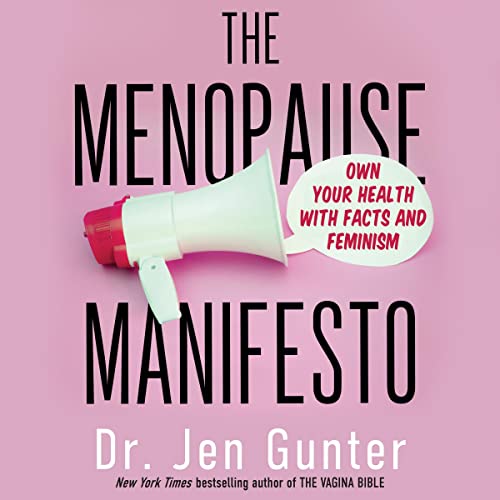
The Menopause Manifesto: Own Your Health with Facts and Feminism: Dr. Jen Gunter
She <strong>writes about the intersection of women's health, sex, science, and pop culture for the New York Times</strong>. She has been called a fierce advocate for women's health, Twitter&
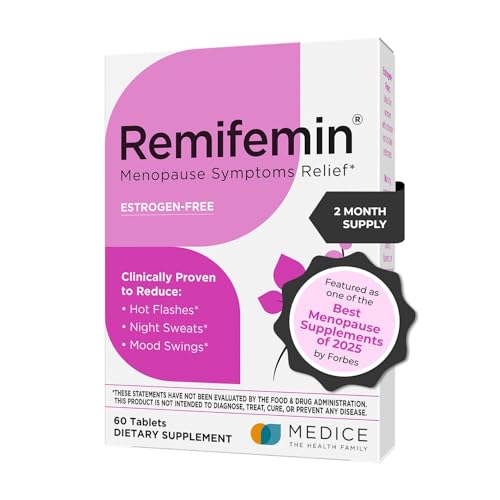
Remifemin Menopause Symptoms Relief - Clinically Proven ...
It is <strong>clinically proven to reduce hot flashes, night sweats, mood swings, and irritability associated with menopause</strong>. Experience full effects after 8 weeks of regular use (often soone

BedJet 3 Climate Comfort for Beds, Cooling Fan + Heating Air (Single Temp. Zone Any Size Bed or Mattress)
The BedJet 3 is our most luxurious and powerful BedJet ever. BedJet 3 uses <strong>air-based convective cooling</strong> which is extremely efficient for removing moisture and sweat from the bed, so y
Evidence & Sources
Promising research with growing clinical support from multiple studies
- American Academy of Family Physicians (AAFP)
- American College of Obstetricians and Gynecologists (ACOG)
- North American Menopause Society (NAMS)
- National Institute for Health and Care Excellence (NICE)
- National Center for Complementary and Integrative Health (NCCIH)
- BMJ
- Mayo Clinic Proceedings
- American Journal of Medicine
This content is for informational purposes only and does not constitute medical advice. Always consult a qualified healthcare provider before starting, stopping, or changing any supplement or medication regimen.