

Neck Pain
Also known as: Cervical Pain, Stiff Neck
Overview
Neck pain is a common musculoskeletal complaint that can range from mild stiffness to persistent pain that interferes with sleep, work, driving, and daily movement. It often involves the cervical spine, surrounding muscles, ligaments, discs, joints, and nerves. Many cases are associated with muscle tension, prolonged sitting, repetitive strain, poor ergonomics, stress, or minor injury, while others may relate to degenerative changes such as cervical spondylosis, disc problems, or nerve compression. In some people, neck pain occurs alongside headaches, shoulder tightness, upper back discomfort, dizziness, or radiating arm symptoms.
From a public health perspective, neck pain is highly prevalent and is one of the leading causes of disability worldwide. Research suggests that modern work patterns, increased screen use, sedentary behavior, and sustained forward-head posture may contribute to symptom burden in many adults. Neck pain can be acute (often resolving within days to weeks), subacute, or chronic, with chronic symptoms more likely to involve overlapping factors such as stress, sleep disruption, reduced activity, central pain sensitization, or mood-related influences.
Clinically, neck pain is not a single diagnosis but a symptom with many potential causes. Common categories include mechanical neck pain, whiplash-associated disorders, cervical radiculopathy, osteoarthritis-related pain, myofascial pain, and pain linked to inflammatory or less common systemic conditions. Conventional and integrative frameworks both recognize that symptoms may be shaped by a combination of biomechanical, neurologic, psychological, and lifestyle factors rather than one isolated structural problem.
Because neck pain can occasionally signal a more serious issue, evaluation by a qualified healthcare professional is important when symptoms are severe, persistent, follow trauma, or occur with warning signs such as fever, unexplained weight loss, significant weakness, numbness, balance changes, bowel or bladder changes, or progressive neurologic symptoms. For many uncomplicated cases, however, the overall outlook is favorable, especially when contributing factors are identified and addressed over time.
Compare Treatment Options
Neck pain is a common musculoskeletal complaint involving the cervical spine, surrounding muscles, ligaments, facet joints, discs, and sometimes nearby nerves. It may feel like stiffness, aching, spasm, sharp pain with movement, or pain that radiates into the shoulder or arm. Many cases are related to muscle strain, posture, prolonged screen use, sleep position, minor injury, degenerative change, or tension-type headache patterns. In some people, symptoms are brief and mechanical; in others, neck pain becomes recurrent or persistent and starts affecting sleep, concentration, exercise, driving, and work tolerance. Treatment options vary because neck pain is not one single diagnosis. Care may differ depending on whether symptoms are recent or chronic, mostly muscular versus nerve-related, mild versus function-limiting, and whether there are red-flag features such as trauma, weakness, fever, unexplained weight loss, or loss of coordination. In Gold Bamboo's East-meets-West framework, conventional approaches often focus on exercise therapy, medications, and selective procedural evaluation, while Eastern and integrative approaches may emphasize acupuncture, manual therapies, and traditional body-based methods aimed at pain modulation, mobility, and stress-related muscle tension. Research generally supports movement-based care for many cases, while evidence for complementary options ranges from well-studied to mixed depending on the modality and patient subgroup.
View treatment comparison (6 options)Medical Perspectives
Two Ways of Seeing Health

Western
scientific · clinical
Western medicine applies science, technology, and clinical experience to treat symptoms through testing, diagnosis, and targeted intervention.

Eastern
traditional · alternative
Eastern medicine focuses on treating the body naturally by applying traditional knowledge practiced for thousands of years, emphasizing balance and whole-person wellness.
Gold Bamboo presents both perspectives side-by-side so you can make informed decisions. We don't advocate for one over the other — your health choices are yours.
Western Medicine Perspective
Western Medicine Perspective
In conventional medicine, neck pain is typically understood through the anatomy and function of the cervical spine and surrounding soft tissues. Common mechanisms include muscle strain, ligament irritation, joint dysfunction, disc degeneration, facet joint pain, cervical radiculopathy, and postural overload. Acute pain often follows awkward positioning, overuse, sports injury, or motor vehicle collision, while chronic pain may reflect ongoing mechanical stress, age-related changes, or persistent sensitization of the nervous system. Importantly, imaging findings such as disc bulges or degenerative changes do not always correlate perfectly with pain severity, and clinical evaluation remains central.
Assessment generally focuses on symptom pattern, range of motion, neurologic signs, trauma history, and red flags that may suggest fracture, infection, malignancy, inflammatory disease, or spinal cord involvement. Depending on the presentation, clinicians may use a physical exam along with selective imaging such as X-ray, MRI, or CT, particularly when neurologic deficits, trauma, or persistent unexplained symptoms are present. Conventional management often emphasizes education, activity modification, physical therapy, exercise-based rehabilitation, ergonomic strategies, and short-term symptom relief approaches, with specialist referral considered in more complex or refractory cases.
The evidence base in western medicine is strongest for multimodal conservative care, especially for nonspecific mechanical neck pain. Studies indicate that exercise therapy, manual therapy, posture-focused rehabilitation, and movement-based approaches may improve pain and function for some individuals, although effects vary. There is also growing recognition of the role of stress, sleep quality, work demands, and psychosocial factors in chronic neck pain outcomes. In general, conventional medicine increasingly frames neck pain as a condition best approached through functional restoration and individualized assessment rather than solely through imaging or passive care.
Eastern & Traditional Perspective
Eastern / Traditional Medicine Perspective
In Traditional Chinese Medicine (TCM), neck pain is often viewed as a disruption in the smooth flow of Qi and Blood through the channels that traverse the neck, shoulders, and upper back. Traditional patterns may include Qi stagnation, Blood stasis, invasion of Wind-Cold-Damp, or underlying Liver and Kidney deficiency contributing to recurrent stiffness or weakness. The location and character of pain help guide pattern identification; for example, fixed sharp pain may traditionally be associated with stasis, while stiffness aggravated by cold exposure may be interpreted through a Wind-Cold framework. TCM approaches have historically included acupuncture, moxibustion, cupping, tui na bodywork, and herbal formulations, selected according to the overall pattern rather than neck pain alone.
In Ayurveda, neck pain may be discussed in relation to Vata imbalance, particularly when pain is associated with dryness, stiffness, cracking, tension, or fluctuating symptoms. Depending on the broader presentation, local discomfort may also be interpreted through impaired tissue nourishment, muscular tension, or accumulation of metabolic waste concepts such as ama. Traditional Ayurvedic care may incorporate manual therapies, oil-based external treatments, heat, stretching, yoga-informed movement, breath regulation, and herbal preparations, with the exact approach shaped by constitution and symptom pattern.
Naturopathic and other integrative traditions often emphasize neck pain as a multifactorial functional condition, highlighting posture, stress physiology, sleep quality, inflammatory burden, fascial restriction, and whole-person resilience. Massage, mindfulness-based practices, gentle mobility work, acupuncture, and mind-body approaches are frequently explored in holistic care settings. Research on several of these modalities is promising but variable, and many traditional systems place strong emphasis on individualization, which can make standardization in clinical trials challenging. As with conventional care, persistent or concerning symptoms warrant assessment by an appropriately trained healthcare professional.
Supplements & Products
Recommended Products

Treat Your Own Neck 5th Ed
<strong>This patient handbook provides an easy-to-follow self-treatment plan to quickly and effectively diagnose, alleviate, treat and manage debilitating neck and related pains, even for the long-ter
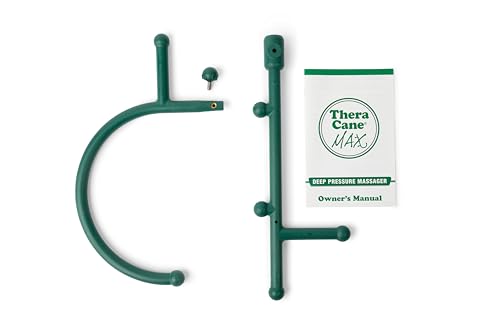
Thera Cane Massager (Green, Single)
<strong>Amazingly simple yet effective self-massager makes it easy to apply pain-relieving deep compression directly to hard, knotted "trigger points" anywhere they occur</strong>. Break up

Core Products Tri-Core Cervical Support Pillow – Firm Orthopedic Neck Pillow for Pain Relief, Back and Side Sleepers – Ergonomic Contour Pillow – Assembled in USA, Full Size, Blue
Core Products Tri-Core Natural Cervical Support Pillow for Neck Pain Organic Cotton Shell, Full Size, Gentle/Medium Firmness
Evidence & Sources
Promising research with growing clinical support from multiple studies
- World Health Organization (WHO)
- National Center for Complementary and Integrative Health (NCCIH)
- American Academy of Orthopaedic Surgeons (AAOS)
- BMJ
- The Lancet
- Spine
- Journal of Orthopaedic & Sports Physical Therapy
- Cochrane Database of Systematic Reviews
This content is for informational purposes only and does not constitute medical advice. Always consult a qualified healthcare provider before starting, stopping, or changing any supplement or medication regimen.