

Nausea
Also known as: Queasiness, Upset Stomach Nausea
Nausea Overview
Nausea is the subjective sensation of queasiness or the urge to vomit. It is a symptom rather than a disease itself, and it can arise from many different body systems, including the gastrointestinal tract, nervous system, inner ear, endocrine system, and psychological stress response. Common contexts include viral stomach illness, food-related illness, motion sickness, pregnancy, migraine, medication side effects, chemotherapy, anxiety, and postoperative recovery. Because it is so nonspecific, nausea can range from a short-lived inconvenience to a signal of an underlying medical condition that warrants evaluation.
From a public health perspective, nausea is extremely common across the lifespan. It is frequently reported in pregnancy, especially during the first trimester; in patients undergoing cancer treatment; and in people with conditions such as gastroesophageal reflux, gastroparesis, vestibular disorders, migraine, and functional gastrointestinal disorders. It is also a major quality-of-life issue. Even when not dangerous on its own, persistent nausea can interfere with eating, hydration, sleep, work, and emotional well-being, and may contribute to weight loss or dehydration when severe.
The biology of nausea is complex. Researchers describe it as involving coordinated signaling between the brainstem vomiting center, chemoreceptor trigger zone, vagus nerve, gastrointestinal tract, and vestibular system. Neurotransmitters such as serotonin, dopamine, histamine, acetylcholine, and substance P are all implicated, which helps explain why different types of nausea respond differently in clinical settings. For example, motion-related nausea, medication-related nausea, and nausea tied to delayed stomach emptying may involve overlapping but distinct pathways.
Natural and integrative approaches are commonly explored for nausea, particularly ginger, acupressure, acupuncture, aromatherapy, breathing techniques, and dietary adjustments. Research suggests some of these approaches may be helpful in selected settings, especially pregnancy-related nausea, postoperative nausea, and mild digestive upset, though results vary by cause and by study quality. Because nausea can occasionally indicate serious illness—such as bowel obstruction, intracranial problems, severe infection, liver disease, or metabolic disturbance—persistent, severe, or unexplained symptoms are generally best assessed by a qualified healthcare professional.
Medical Perspectives
Two Ways of Seeing Health

Western
scientific · clinical
Western medicine applies science, technology, and clinical experience to treat symptoms through testing, diagnosis, and targeted intervention.

Eastern
traditional · alternative
Eastern medicine focuses on treating the body naturally by applying traditional knowledge practiced for thousands of years, emphasizing balance and whole-person wellness.
Gold Bamboo presents both perspectives side-by-side so you can make informed decisions. We don't advocate for one over the other — your health choices are yours.
Western Medicine Perspective
Western Medicine Perspective
In conventional medicine, nausea is understood as a multifactorial symptom with many potential triggers. Clinical evaluation typically focuses on identifying the underlying cause, the duration of symptoms, associated features, and the risk of complications such as dehydration, electrolyte imbalance, or malnutrition. Important distinctions include acute versus chronic nausea, nausea with or without vomiting, and whether symptoms occur alongside abdominal pain, fever, headache, dizziness, pregnancy, medication exposure, or neurologic changes. In some cases, nausea is benign and self-limited; in others, it may point to gastrointestinal infection, medication intolerance, vestibular dysfunction, migraine, endocrine disease, or central nervous system pathology.
Conventional care often categorizes nausea by context. Examples include postoperative nausea and vomiting (PONV), chemotherapy-induced nausea and vomiting (CINV), pregnancy-related nausea and vomiting, motion sickness, and functional or chronic unexplained nausea. Management is usually tailored to mechanism and setting. Classes of anti-nausea medications used in medical practice include 5-HT3 antagonists, dopamine antagonists, antihistamines, anticholinergics, NK1 receptor antagonists, and corticosteroids in selected contexts. Research also supports nonpharmacologic measures in some situations, including hydration strategies, dietary modification, and certain complementary therapies.
From an evidence standpoint, studies indicate that ginger has modest supportive evidence for some forms of nausea, particularly pregnancy-related nausea and possibly some postoperative settings, although formulations and dosages vary across trials. P6 (Neiguan) acupressure or acupuncture has also been studied for pregnancy-associated nausea, postoperative nausea, and chemotherapy-related symptoms, with mixed but generally encouraging findings in some systematic reviews. Conventional clinicians typically view these interventions as potentially useful adjuncts rather than universal solutions, especially when the cause remains unclear.
Red-flag features in conventional medicine include nausea accompanied by severe abdominal pain, chest pain, neurologic symptoms, persistent vomiting, blood in vomit, signs of dehydration, unexplained weight loss, high fever, confusion, or symptoms lasting longer than expected. In those situations, formal medical evaluation is important. In pregnancy, severe symptoms may raise concern for hyperemesis gravidarum, a condition that may require medical monitoring and supportive care.
Eastern & Traditional Perspective
Eastern and Traditional Medicine Perspective
In Traditional Chinese Medicine (TCM), nausea is often understood as a problem of rebellious Stomach Qi, meaning the stomach’s normal downward movement is disrupted and energy moves upward instead. This pattern may arise from causes such as food stagnation, phlegm-damp accumulation, Liver Qi stagnation affecting the stomach, cold in the middle burner, heat, or deficiency of the Spleen and Stomach. Assessment is individualized and may include the overall symptom pattern, digestion, appetite, emotional stress, tongue appearance, and pulse quality. Within this framework, nausea is not treated as a single entity but as a manifestation of broader imbalance.
Traditional East Asian approaches commonly include acupuncture, acupressure, moxibustion, and herbal formulas selected according to pattern differentiation. The P6 (Neiguan) point is one of the best-known acupoints traditionally associated with nausea and vomiting. In modern integrative care, it is frequently discussed in connection with postoperative nausea, motion sickness, and pregnancy-related symptoms. Herbal traditions may also use ingredients such as fresh ginger (Sheng Jiang), which has a long history of use for digestive discomfort and “counterflow” symptoms.
In Ayurveda, nausea may be interpreted through the lens of doshic imbalance, especially disturbances involving Pitta, Kapha, or impaired Agni (digestive fire). Nausea can be associated with excess heat, heaviness, mucus, poor digestion, emotional upset, or toxin accumulation described traditionally as ama. Ayurvedic management historically emphasizes identifying the pattern behind symptoms and supporting digestive balance through individualized combinations of dietary measures, herbal preparations, aromatic substances, and lifestyle regulation.
In broader naturopathic and traditional herbal practice, nausea is often approached by considering digestive irritation, nervous system activation, vestibular sensitivity, and stress-related triggers. Herbs such as ginger and peppermint are traditionally used, while mind-body approaches may focus on calming the stress response. As with conventional care, traditional systems generally recognize that severe, persistent, or unexplained nausea may require biomedical assessment, particularly when symptoms suggest dehydration, pregnancy complications, infection, or structural disease.
Supplements & Products
Recommended Products
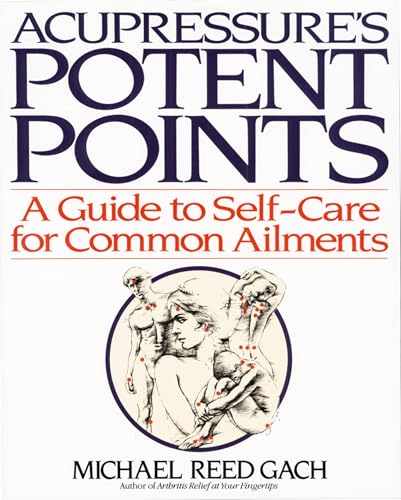
Acupressure's Potent Points: A Guide to Self-Care for Common Ailments: Michael Reed Gach
In Acupressure’s Potent Points, ... of America, <strong>reveals simple techniques that enable you to relieve headaches, arthritis, colds and flu, insomnia, backaches, hiccups, leg pain, hot flashes, d

Nature's Way Ginger Root Capsules 550 mg per capsule, Digestive Comfort* Reduces Motion-Related Nausea*, 1,100 mg per 2 Capsules, Non-GMO Project Verified, Vegan, 240 Count (Packaging May Vary)
Buy Nature's Way Ginger Root Capsules 550 mg per capsule, Digestive Comfort* Reduces Motion-Related Nausea*, 1,100 mg per 2 Capsules, Non-GMO Project Verified, Vegan, 240 Count (Packaging May Var

Sea-Band Anti-Nausea Acupressure Wristband for Motion & Morning Sickness, 1 Pair, Gray
Completely natural, Sea-Band uses acupressure wristbands to gently restore balance to your body. No drugs. No side effects. Clinically tested. <strong>Suitable for most types of sickness and nausea</s
Evidence & Sources
Promising research with growing clinical support from multiple studies
- National Institute of Diabetes and Digestive and Kidney Diseases (NIDDK)
- National Center for Complementary and Integrative Health (NCCIH)
- American College of Obstetricians and Gynecologists (ACOG)
- Cochrane Database of Systematic Reviews
- Journal of Obstetrics and Gynaecology
- Supportive Care in Cancer
- British Journal of Anaesthesia
- World Health Organization (WHO)
This content is for informational purposes only and does not constitute medical advice. Always consult a qualified healthcare provider before starting, stopping, or changing any supplement or medication regimen.