

Myocardial Infarction
Also known as: Heart Attack
Overview
Myocardial infarction (MI), commonly called a heart attack, occurs when blood flow to part of the heart muscle is suddenly reduced or blocked long enough to cause injury or death of cardiac tissue. In most cases, this happens because a coronary artery plaque ruptures or erodes, triggering a blood clot that obstructs blood flow. Myocardial infarction is one of the major forms of ischemic heart disease and remains a leading cause of death and long-term disability worldwide. Its significance extends beyond the acute event itself: many people face ongoing concerns about recurrent cardiovascular events, reduced exercise capacity, medication burden, emotional distress, and interest in complementary strategies that may support recovery and long-term heart health.
Common symptoms include chest pressure or pain, shortness of breath, nausea, sweating, jaw or arm discomfort, and lightheadedness, but presentation can vary widely. Some people, especially women, older adults, and people with diabetes, may experience less typical symptoms. From a public health perspective, myocardial infarction is closely linked to broader cardiometabolic risk factors such as high blood pressure, elevated LDL cholesterol, smoking, diabetes, chronic inflammation, obesity, poor sleep, and sedentary lifestyle. Because of this, prevention and post-event care are often framed not only around emergency treatment, but around lifelong risk reduction.
In conventional medicine, myocardial infarction is considered a time-sensitive medical emergency requiring urgent evaluation and treatment. At the same time, integrative and traditional systems often focus on the recovery phase, emphasizing rehabilitation, stress regulation, circulation support, digestion, sleep, and overall vitality. Interest in alternative and complementary approaches is especially common after survival of an acute event, when patients seek broader ways to improve quality of life and reduce future risk. However, it is important to distinguish between emergency management, where conventional acute cardiac care is essential, and supportive long-term approaches, where some complementary modalities may have a role alongside standard medical supervision.
Because myocardial infarction involves both acute vascular injury and chronic systemic risk, it is best understood as a condition shaped by biology, behavior, environment, and psychosocial factors. A balanced discussion therefore includes both the well-established medical science of plaque rupture, thrombosis, and reperfusion, and the traditional frameworks that interpret heart-related illness through patterns of circulation, stress, depletion, and imbalance. Anyone with current or suspected cardiac symptoms requires prompt professional care, and any complementary strategy is generally best considered in coordination with qualified healthcare providers.
Medical Perspectives
Two Ways of Seeing Health

Western
scientific · clinical
Western medicine applies science, technology, and clinical experience to treat symptoms through testing, diagnosis, and targeted intervention.

Eastern
traditional · alternative
Eastern medicine focuses on treating the body naturally by applying traditional knowledge practiced for thousands of years, emphasizing balance and whole-person wellness.
Gold Bamboo presents both perspectives side-by-side so you can make informed decisions. We don't advocate for one over the other — your health choices are yours.
Western Medicine Perspective
Western Medicine Perspective
In conventional cardiology, myocardial infarction is most often classified into major categories such as ST-elevation myocardial infarction (STEMI) and non-ST-elevation myocardial infarction (NSTEMI), based on electrocardiogram findings and cardiac biomarker patterns. Diagnosis typically involves a combination of symptoms, ECG changes, troponin elevation, and imaging or angiographic findings. The immediate clinical goal is restoration of blood flow to threatened heart muscle as quickly as possible, since prolonged ischemia increases infarct size and raises the risk of heart failure, arrhythmias, cardiogenic shock, and death.
Acute treatment commonly includes evidence-based hospital interventions such as antiplatelet therapy, anticoagulation, statins, beta blockers when appropriate, and rapid reperfusion through percutaneous coronary intervention (PCI) or, in selected settings, fibrinolytic therapy. After the acute phase, long-term management generally focuses on secondary prevention: reducing the chance of another event through medication adherence, cardiac rehabilitation, smoking cessation, blood pressure and lipid management, diabetes care, physical activity, nutrition, sleep optimization, and psychosocial support. Research consistently indicates that structured cardiac rehabilitation improves functional recovery and is associated with lower rates of recurrent events.
From an evidence standpoint, conventional medicine has a strong base for identifying major modifiable risk factors and reducing recurrent risk after MI. There is also growing recognition that recovery is not purely mechanical or pharmacologic. Depression, anxiety, social isolation, chronic stress, and poor sleep are increasingly understood as relevant to cardiovascular outcomes. This has created space for integrative supportive measures such as mind-body therapies, supervised exercise, stress reduction programs, and dietary patterns associated with cardiovascular benefit, provided they are used as adjuncts rather than substitutes for standard care.
A key caution in western medicine is that some supplements or non-prescribed therapies may interact with anticoagulants, antiplatelet agents, blood pressure medications, or antiarrhythmic drugs. For this reason, post-MI complementary care is usually viewed most safely within an integrated framework that includes cardiology oversight and careful review of potential risks, benefits, and interactions.
Eastern & Traditional Perspective
Eastern / Traditional Medicine Perspective
In Traditional Chinese Medicine (TCM), a myocardial infarction would not be viewed as a single disease label in the modern biomedical sense, but rather through patterns such as Heart blood stasis, qi stagnation, phlegm obstruction, yang collapse, or deficiency of qi and yin depending on the presentation and stage of illness. Acute severe chest pain may be associated with traditional concepts related to "chest impediment" (xiong bi) and obstruction of the Heart vessels. In the recovery phase, TCM practitioners have historically focused on restoring circulation, calming the shen, supporting digestive and constitutional strength, and addressing lingering fatigue, palpitations, anxiety, and sleep disturbance. Modalities may include individualized acupuncture, herbal formulas, breathing practices, and dietary therapy, though modern safety standards require careful attention because some herbs may affect coagulation or interact with cardiac medications.
In Ayurveda, heart-related disorders may be interpreted through imbalances involving vata, pitta, kapha, agni, ama, and the channels associated with circulation and vitality. Traditional discussions often connect cardiac vulnerability with disturbed metabolism, accumulated burden in the channels, emotional strain, and depletion of ojas, the concept linked to resilience and vitality. Post-event recovery may therefore be framed around gentle restoration, digestion, stress balance, sleep, and emotional steadiness rather than aggressive intervention. Yogic and meditative traditions connected to Ayurveda are often explored in contemporary integrative cardiology for their possible effects on autonomic balance, stress reduction, and quality of life.
In naturopathic and broader traditional/integrative systems, myocardial infarction is commonly seen as the endpoint of long-term imbalance involving inflammation, oxidative stress, vascular dysfunction, metabolic disease, and lifestyle strain. These systems often emphasize foundational support through nutrition, movement, mind-body regulation, and social connection. Research on some complementary practices—particularly meditation, yoga, tai chi, stress reduction, and certain dietary patterns—suggests possible benefits for blood pressure, stress biomarkers, exercise tolerance, and perceived well-being in cardiovascular populations. However, evidence is generally stronger for risk-factor modification and rehabilitation support than for traditional remedies specifically preventing recurrent infarction.
Across traditional systems, the most balanced modern interpretation is that these frameworks may offer supportive language and tools for recovery, resilience, and whole-person rehabilitation, but they do not replace emergency cardiac care or standard secondary prevention. Consultation with appropriately qualified practitioners and the patient’s medical team is especially important after MI because of the seriousness of the condition and the potential for herb-drug interactions or unsafe exertional practices during recovery.
Supplements & Products
Recommended Products

Prevent and Reverse Heart Disease: The Revolutionary, Scientifically Proven, Nutrition-Based Cure: Caldwell B. Esselstyn Jr.
<strong>Caldwell Esselstyn, Jr., is certainly the father (and the mother) of the now proven hypothesis that you can reverse severe arterial disease</strong> (including severe disease of the arteries s
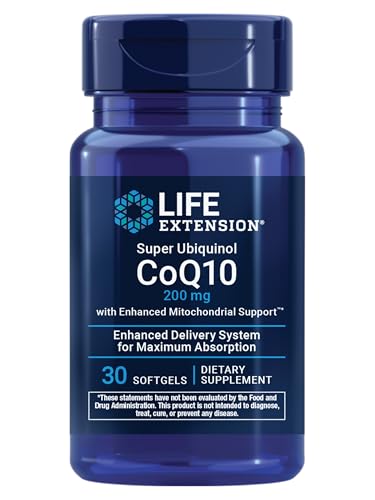
Life Extension Super Ubiquinol CoQ10 with Enhanced Mitochondrial Support™, Heart Health Supplement, Maximum Absorption, 100 mg, Non-GMO, Gluten-Free, 30 softgels
Calories 5 Total Fat 0.5 g Ubiquinol (as Kaneka Ubiquinol™) 100 mg Shilajit fulvic acid complex 100 mg Other ingredients: sunflower oil, gelatin, glycerin, purified water, beeswax, sunflower lecithin,

Nordic Naturals Ultimate Omega, Lemon Flavor - 180 Soft Gels - 1280 mg Omega-3 - High-Potency Fish Oil with EPA & DHA - Promotes Brain & Heart Health - Non-GMO - 90 Servings
Buy Nordic Naturals Ultimate Omega, Lemon Flavor - 180 Soft Gels - 1280 mg Omega-3 - High-Potency Fish Oil with EPA & DHA - Promotes Brain & Heart Health - Non-GMO - 90 Servings on Amazon.com
Evidence & Sources
Promising research with growing clinical support from multiple studies
- American Heart Association (AHA)
- European Society of Cardiology (ESC) Guidelines for Acute Coronary Syndromes
- National Heart, Lung, and Blood Institute (NHLBI)
- World Health Organization (WHO)
- Circulation
- Journal of the American College of Cardiology
- NCCIH (National Center for Complementary and Integrative Health)
- Cochrane Reviews on cardiac rehabilitation and mind-body interventions
This content is for informational purposes only and does not constitute medical advice. Always consult a qualified healthcare provider before starting, stopping, or changing any supplement or medication regimen.