

Muscle Pain
Also known as: Myalgia, Muscle Aches, Body Aches
Overview
Muscle pain—also called myalgia—refers to discomfort, aching, soreness, stiffness, or tenderness arising from skeletal muscles. It is one of the most common physical complaints across all age groups and can range from a short-lived symptom after exertion to part of a broader medical condition. Muscle pain may occur in a single area, such as the neck, back, shoulder, or calf, or it may be more widespread. Common contributors include overuse, strain, tension, poor ergonomics, viral illness, medication effects, inflammatory conditions, electrolyte imbalance, and chronic pain syndromes. In some cases, muscle pain reflects a localized soft-tissue issue; in others, it may be part of systemic illness.
From a public health perspective, muscle pain matters because it can interfere with sleep, mobility, exercise tolerance, work productivity, and quality of life. Acute soreness after physical activity is common and often self-limited, but persistent or unexplained muscle pain may overlap with conditions such as fibromyalgia, myofascial pain, autoimmune disease, endocrine disorders, infections, or medication-associated myopathy. People frequently seek both conventional and complementary approaches, especially when pain becomes recurrent or when stress and tension appear to worsen symptoms.
Research on muscle pain reflects the complexity of the symptom itself. There is no single cause or single treatment pathway. Studies suggest that mechanical strain, inflammation, nervous system sensitization, sleep disruption, psychological stress, and metabolic factors may all play a role depending on the individual. This helps explain why commonly discussed supportive options—such as massage therapy, acupuncture, stretching practices, heat, mindfulness-based approaches, or magnesium in selected contexts—are often explored alongside standard evaluation.
Although many cases are mild, muscle pain can sometimes signal a more serious issue. Red-flag features may include severe weakness, dark urine, fever, swelling, rash, chest pain, difficulty breathing, trauma, rapidly worsening symptoms, or pain associated with new medications. Because muscle pain is a symptom rather than a diagnosis, persistent, unexplained, or severe cases generally warrant assessment by a qualified healthcare professional to clarify the underlying cause and rule out urgent conditions.
Medical Perspectives
Two Ways of Seeing Health

Western
scientific · clinical
Western medicine applies science, technology, and clinical experience to treat symptoms through testing, diagnosis, and targeted intervention.

Eastern
traditional · alternative
Eastern medicine focuses on treating the body naturally by applying traditional knowledge practiced for thousands of years, emphasizing balance and whole-person wellness.
Gold Bamboo presents both perspectives side-by-side so you can make informed decisions. We don't advocate for one over the other — your health choices are yours.
Western Medicine Perspective
Western Medicine Perspective
In conventional medicine, muscle pain is understood as a symptom with multiple possible etiologies rather than a standalone disease. Clinicians typically distinguish between acute muscle pain—often related to exercise, strain, or viral infection—and chronic muscle pain, which may involve more complex mechanisms such as central sensitization, myofascial trigger points, inflammatory disease, metabolic abnormalities, medication effects, or chronic stress-related tension. A western medical evaluation often considers the pain’s location, duration, relationship to activity, presence of weakness, and associated symptoms such as fever, numbness, swelling, or fatigue.
Common conventional explanations include delayed-onset muscle soreness after exertion, repetitive strain, postural tension, viral syndromes, statin-associated muscle symptoms, electrolyte disturbance, hypothyroidism, autoimmune myositis, and fibromyalgia. Diagnostic workup may range from history and physical examination to targeted laboratory testing—such as markers of muscle injury or inflammation—and, in selected cases, imaging or specialist evaluation. The goal is not simply to suppress pain, but to identify whether the symptom is mechanical, inflammatory, neurologic, medication-related, or systemic.
Management in western medicine varies by cause. For uncomplicated cases, standard approaches may include activity modification, physical therapy, graded exercise, sleep optimization, ergonomic correction, and symptomatic relief measures. In chronic pain syndromes, multidisciplinary care may involve rehabilitation, behavioral strategies, stress reduction, and treatment of coexisting sleep or mood disorders. Evidence also supports some nonpharmacologic interventions commonly considered complementary—particularly massage for short-term relief in some musculoskeletal pain states, and acupuncture for selected chronic pain conditions—though results differ by population and pain type.
Conventional medicine also emphasizes safety. Persistent muscle pain, recurrent cramps, progressive weakness, or muscle pain accompanied by systemic symptoms may indicate a condition needing medical evaluation. This is especially relevant when symptoms arise after new medications, infections, intense exertion, or underlying chronic disease.
Eastern & Traditional Perspective
Eastern and Traditional Medicine Perspective
In Traditional Chinese Medicine (TCM), muscle pain is often interpreted through patterns of qi and blood stagnation, or the invasion of external influences such as wind, cold, or dampness that obstruct the channels and produce pain, heaviness, or stiffness. Pain that is fixed and stabbing may be viewed differently from pain that migrates, feels heavy, or worsens with cold exposure. TCM assessments commonly consider the broader pattern, including energy level, sleep, digestion, emotional stress, and tongue and pulse findings. Traditional approaches may include acupuncture, moxibustion, cupping, tui na massage, movement practices such as tai chi or qigong, and individualized herbal formulas.
Within Ayurveda, muscle pain may be understood in relation to imbalance in Vata—especially when pain is associated with dryness, tension, irregularity, or overexertion—or to the accumulation of ama in some presentations involving heaviness and systemic discomfort. Ayurvedic frameworks often connect musculoskeletal symptoms with digestion, daily routine, stress, and tissue nourishment. Traditionally used approaches may include abhyanga (oil massage), stretching and yoga-based movement, heat therapies, dietary balancing, and herbal preparations chosen according to the person’s constitution and symptom pattern.
Naturopathic and integrative traditions often view muscle pain through a whole-person lens, examining factors such as inflammation, nutrient status, sleep quality, stress load, hydration, biomechanics, and recovery capacity. Commonly discussed supportive modalities include manual therapies, hydrotherapy, mind-body interventions, magnesium when deficiency or low intake is a concern, and anti-inflammatory dietary patterns. Research on these approaches is mixed: some modalities have moderate evidence in selected pain conditions, while others remain grounded more in traditional use than high-quality trials.
Across eastern and traditional systems, a recurring theme is that muscle pain reflects not only local tissue irritation but also broader imbalance in circulation, stress regulation, rest, and resilience. While many people report benefit from these frameworks, product quality, practitioner training, and individual variation are important considerations. Integrative use is generally safest when coordinated with qualified healthcare providers, particularly if symptoms are severe, unexplained, or associated with underlying disease.
Supplements & Products
Recommended Products

The Trigger Point Therapy Workbook: Your Self-Treatment Guide for Pain Relief: Davies NCTMB, Clair, Davies CMTPT LMT, Amber, Simons MD, David G.
The Trigger Point Therapy Workbook, Third Edition, has made a huge impact among health professionals and the public alike, becoming an overnight classic in the field of pain relief. This edition inclu
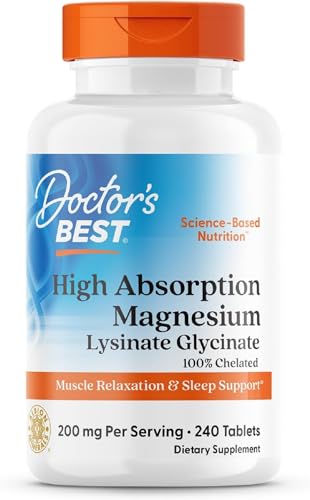
Doctor's Best High Absorption Magnesium Glycinate Lysinate Supplement for Sleep Support - Chelated Magnesium Tablets for Women & Men, 200mg per Serving, Supports Calm & Relaxation, Vegan - 240 Count
Doctor's Best High Absorption Magnesium Glycinate Lysinate Supplement for Sleep Support - Chelated Magnesium Capsules for Women & Men, 105 mg per Serving, Calm Support, Vegan - 120 Veg Caps

Boiron Arnicare Gel for Joint Pain, Muscle Pain, Inflammation, Soreness, and Bruises - Non-greasy and Fragrance-Free - 2.6 oz
Made from this natural active ingredient, Arnicare <strong>helps to relieve muscle pain and stiffness and to reduce pain, swelling and, discoloration from bruises</strong>. Temporarily relieves muscle
Evidence & Sources
Promising research with growing clinical support from multiple studies
- National Institute of Arthritis and Musculoskeletal and Skin Diseases (NIAMS)
- National Center for Complementary and Integrative Health (NCCIH)
- BMJ
- JAMA
- Cochrane Database of Systematic Reviews
- Mayo Clinic Proceedings
- American College of Rheumatology
- The Journal of Pain
This content is for informational purposes only and does not constitute medical advice. Always consult a qualified healthcare provider before starting, stopping, or changing any supplement or medication regimen.