

Multiple Sclerosis — Western vs Eastern Complementary Care
Overview
Multiple sclerosis (MS) is a chronic, immune-mediated disorder of the central nervous system in which inflammatory and neurodegenerative processes affect the brain, spinal cord, and optic nerves. In MS, the immune system mistakenly targets myelin, the protective covering around nerve fibers, and can also injure the underlying axons. This disruption interferes with nerve signaling and helps explain the wide range of symptoms associated with the condition, including fatigue, numbness, weakness, balance problems, visual disturbances, pain, cognitive changes, and bladder or bowel dysfunction. Disease patterns vary: some people experience relapsing episodes with recovery, while others have more steadily progressive disability over time.
MS is one of the most common nontraumatic neurologic causes of disability in younger adults. Global estimates suggest that millions of people are affected worldwide, with prevalence varying by geography, sex, genetics, vitamin D status, smoking exposure, Epstein-Barr virus history, and other environmental or immunologic factors. The condition is complex rather than uniform: individuals differ in lesion burden, relapse frequency, progression rate, symptom clusters, and response to therapies. Because of this heterogeneity, care is often multidisciplinary and may involve neurology, rehabilitation, mental health support, nutrition, and symptom-focused supportive care.
From an integrative health perspective, MS is a condition in which many patients explore complementary approaches alongside conventional medical care, often to address quality-of-life concerns such as fatigue, stress, sleep disturbance, spasticity, mood symptoms, and chronic pain. Research suggests that lifestyle factors including exercise, smoking avoidance, stress management, and attention to cardiometabolic health can influence overall well-being in MS, while disease-modifying medications remain central in reducing inflammatory disease activity for many patients. Complementary care is therefore most often discussed as adjunctive rather than replacement care.
Eastern and traditional systems generally do not describe MS using the same immunologic or MRI-based framework as modern neurology. Instead, they tend to interpret symptom patterns through broader concepts such as imbalance, depletion, impaired circulation, nervous system dysregulation, or disruption of mind-body resilience. This difference in explanatory model can be meaningful for patients seeking a more whole-person understanding of chronic illness. At the same time, because MS can involve relapses, progression, and irreversible neurologic injury, most authoritative integrative sources emphasize the importance of ongoing evaluation by qualified healthcare professionals, especially when considering complementary therapies that may interact with medications or delay needed medical treatment.
Western Medicine Perspective
Western / Conventional Medicine Perspective
In conventional medicine, MS is understood as an immune-mediated, inflammatory, and neurodegenerative disease characterized by focal lesions and diffuse injury within the central nervous system. Diagnosis typically relies on the McDonald criteria, which integrate clinical history, neurologic examination, MRI findings, and in some cases cerebrospinal fluid markers such as oligoclonal bands. Conventional classification includes relapsing-remitting MS, secondary progressive MS, and primary progressive MS, although modern management increasingly recognizes that inflammatory activity and progression may overlap. Current research also highlights the importance of early disease control, since silent lesion formation and gradual neuroaxonal loss can occur even outside obvious relapses.
The cornerstone of standard treatment is the use of disease-modifying therapies (DMTs), which aim to reduce relapse frequency, MRI activity, and long-term disability accumulation. Additional conventional care often includes corticosteroids for acute relapses, rehabilitation therapies, mobility support, and medications or behavioral strategies for symptoms such as spasticity, neuropathic pain, depression, bladder dysfunction, and fatigue. Evidence supports exercise and physical therapy as important components of comprehensive care, with studies indicating benefits for strength, mobility, fatigue, mood, and quality of life when appropriately adapted. Mental health care and cognitive support are also increasingly recognized as central, not secondary, aspects of MS management.
From a complementary-care standpoint, western integrative medicine evaluates nonpharmacologic and natural approaches according to safety, mechanism, and clinical evidence. There is moderate evidence for some supportive practices such as exercise, mindfulness-based stress reduction, yoga, and selected rehabilitation modalities for improving quality-of-life outcomes in some patients. Evidence for supplements, special diets, cannabis-based products, acupuncture, and various manual or energy therapies is more mixed and often limited by small studies, heterogeneity, or inconsistent methods. Conventional clinicians therefore tend to frame these interventions as potential adjuncts for symptom management, while cautioning that they have not been shown to replace DMTs in controlling disease activity.
Safety remains a major concern in western care. People with MS may be vulnerable to drug-herb interactions, misleading claims, infection risk from unregulated products, or delays in evidence-based neurologic treatment. Heat sensitivity, fall risk, swallowing difficulties, and fluctuating neurologic impairment may also affect suitability for certain practices. For these reasons, conventional sources generally encourage coordinated, transparent communication among neurologists, primary care clinicians, rehabilitation specialists, and complementary practitioners.
Eastern & Traditional Perspective
Eastern / Traditional Medicine Perspective
In Traditional Chinese Medicine (TCM), MS is not a one-to-one diagnostic entity, but its symptoms may be interpreted through patterns involving Liver and Kidney deficiency, Spleen qi weakness, phlegm-damp obstruction, blood stasis, or channels obstructed by wind. Fatigue, heaviness, weakness, tremor, numbness, spasticity, visual symptoms, and emotional strain may be mapped onto different pattern diagnoses depending on the individual presentation. TCM care may therefore emphasize restoring systemic balance, supporting constitutional vitality, and improving the flow of qi and blood. In practice, this may include acupuncture, moxibustion, movement therapies such as tai chi or qigong, and individualized herbal formulas. Traditional use and some clinical studies suggest these approaches may help with symptoms such as pain, spasticity, fatigue, mood, and sleep in some patients, although the evidence base remains variable and not equivalent to that for conventional disease-modifying therapy.
In Ayurveda, MS-like presentations are often discussed through concepts involving vata disturbance, depletion of tissues, impaired nervous system regulation, and accumulation of metabolic imbalance. Symptoms such as weakness, tingling, stiffness, poor coordination, and fatigue may be understood in relation to deranged vata affecting the majja dhatu (nervous tissue) and broader systemic resilience. Ayurvedic care traditionally may include dietary patterning, daily routines, oil-based body therapies, meditation, yoga, and botanical preparations chosen according to constitution and symptom pattern. The traditional emphasis is usually on improving functional balance, digestion, rest, and stress adaptation rather than targeting demyelination in the biomedical sense.
Naturopathic and other traditional systems often take a similarly whole-person, supportive-care approach, focusing on sleep, anti-inflammatory lifestyle patterns, stress physiology, gentle movement, digestive health, and symptom burden. These frameworks may be especially appealing in a chronic condition where fatigue, uncertainty, and quality-of-life challenges are substantial. However, the strongest support for these models is generally in the area of adjunctive symptom management and patient-centered self-regulation, not reversal of established neurologic disease.
Across eastern and complementary traditions, a balanced interpretation is important: these systems can offer meaningful frameworks for coping, resilience, and symptom support, but claims of curing MS or replacing neurologic monitoring are not supported by current evidence. Consultation with qualified practitioners and coordination with conventional medical care are particularly important because some herbal medicines or intensive detoxification-style practices may pose risks for people living with a complex neurologic disorder.
Supplements & Products
Recommended Products
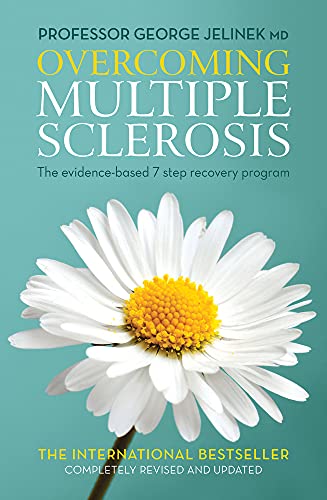
Overcoming Multiple Sclerosis: The Evidence-Based 7 Step Recovery Program: Jelinek MD, George
Now thousands of people around the world are living healthy, active lives on the Overcoming Multiple Sclerosis recovery program. Overcoming Multiple Sclerosis <strong>explains the nature of MS and out

THORNE - Vitamin D-5000 - Vitamin D3 Supplement - Support Healthy Bones, Teeth, Muscles, Cardiovascular & Immune Function* - NSF Certified for Sport - Gluten-Free, Soy-Free - 60 Servings
One Capsule Contains: Vitamin D (as Vitamin D3) (5,000 IU) <strong>125 mcg</strong>.

THERABAND Resistance Bands Set, Beginner Kit, Yellow, ...
Check each product page for other buying options. Price and other details may vary based on product size and color · Multifunction Tension Rope, 6-Tube Elastic Yoga Pedal Puller Resistance Band, Natur
Evidence & Sources
Promising research with growing clinical support from multiple studies
- National Multiple Sclerosis Society
- National Institute of Neurological Disorders and Stroke (NINDS)
- The Lancet Neurology
- Neurology
- Multiple Sclerosis Journal
- American Academy of Neurology
- National Center for Complementary and Integrative Health (NCCIH)
- World Health Organization
- New England Journal of Medicine
- JAMA Neurology
This content is for informational purposes only and does not constitute medical advice. Always consult a qualified healthcare provider before starting, stopping, or changing any supplement or medication regimen.