

Mold Illness
Also known as: Mold Toxicity, Mold Exposure Illness, Mycotoxin Illness
Overview
Mold illness is a broad, non-standard term used to describe a range of symptoms that people attribute to exposure to indoor mold, damp buildings, mold byproducts, or related environmental contaminants. Reported symptoms often include nasal congestion, cough, wheezing, throat irritation, sinus pressure, headaches, fatigue, difficulty concentrating, sleep disruption, and general malaise. In public health and clinical literature, the most clearly recognized health effects of mold exposure involve allergic reactions, asthma exacerbation, hypersensitivity responses, and irritation of the eyes and airways, particularly in water-damaged indoor environments.
Mold is common in indoor and outdoor settings, and exposure does not affect everyone in the same way. The greatest concern typically arises in damp or water-damaged buildings, where mold growth may coexist with dust mites, bacteria, volatile compounds, and poor ventilation. Research from the World Health Organization and other public health bodies has linked damp indoor spaces with increased respiratory symptoms and asthma-related problems. However, the idea that mold exposure alone explains a wide set of chronic, multi-system symptoms remains an area of debate and variable evidence, especially when symptoms extend beyond recognized allergic, respiratory, or infectious disease patterns.
A key challenge is that "mold illness" is not a single formal diagnosis in conventional medicine. Instead, clinicians usually evaluate for more specific conditions such as allergic rhinitis, sinusitis, asthma, hypersensitivity pneumonitis, fungal infection in select high-risk individuals, or environmental irritation. At the same time, some patients report persistent symptoms after exposure to mold-contaminated environments and seek care through environmental medicine, functional medicine, or integrative practitioners. This has contributed to strong public interest in concepts such as detoxification, immune dysregulation, inflammatory responses, and biotoxin sensitivity, although these frameworks are not uniformly accepted across mainstream medicine.
Because symptoms associated with mold exposure can overlap with many other conditions—including viral illness, chronic sinus disease, migraine, sleep disorders, anxiety, autoimmune disease, thyroid conditions, and indoor air quality problems unrelated to mold—careful assessment is important. A balanced view recognizes that damp-building exposure can be associated with real health effects, while also noting that broad chronic syndromes attributed to mold remain scientifically complex. Consultation with qualified healthcare and environmental professionals is often emphasized when symptoms are persistent or when building-related exposure is suspected.
Medical Perspectives
Two Ways of Seeing Health

Western
scientific · clinical
Western medicine applies science, technology, and clinical experience to treat symptoms through testing, diagnosis, and targeted intervention.

Eastern
traditional · alternative
Eastern medicine focuses on treating the body naturally by applying traditional knowledge practiced for thousands of years, emphasizing balance and whole-person wellness.
Gold Bamboo presents both perspectives side-by-side so you can make informed decisions. We don't advocate for one over the other — your health choices are yours.
Western Medicine Perspective
Western Medicine Perspective
In conventional medicine, mold-related health effects are understood primarily through several established mechanisms. First, mold can act as an allergen, triggering symptoms such as sneezing, runny nose, itchy eyes, eczema flares, and asthma symptoms in sensitized individuals. Second, mold and damp environments can function as respiratory irritants, contributing to cough, throat irritation, and worsening of underlying airway disease. Third, in a smaller subset of cases, heavy exposure to organic dusts and microbial particles may contribute to hypersensitivity pneumonitis, an immune-mediated inflammatory lung condition. In people with severe immune compromise, specific fungi can also cause serious infections, though this is distinct from the broader popular concept of mold illness.
Western evaluation typically focuses on history, symptom pattern, building exposure, allergy assessment, and ruling out other causes. Common medical approaches may include examination for allergic rhinitis, asthma, chronic rhinosinusitis, or other respiratory conditions; pulmonary testing when indicated; and, in selected cases, allergy testing or imaging. Public health guidance generally places strong emphasis on the environment itself: identifying and correcting moisture intrusion, remediating visible mold, and improving indoor air quality. Major organizations such as the CDC, WHO, and Institute of Medicine/National Academies have concluded that damp indoor environments are associated with respiratory and allergic effects, even when exact exposure thresholds are difficult to define.
Where controversy often arises is around claims that mold exposure routinely causes chronic systemic illness through mechanisms such as mycotoxin toxicity in typical indoor settings, chronic inflammatory response syndromes, or broad neurological and endocrine dysfunction in otherwise healthy individuals. Research in these areas is mixed and often limited by inconsistent definitions, exposure measurement challenges, and variability in patient populations. Some clinicians in environmental medicine consider these mechanisms clinically meaningful, while many mainstream specialists argue that evidence remains insufficient to support broad diagnostic categories or certain testing methods marketed directly to consumers. For this reason, western medicine generally distinguishes between well-supported mold-related conditions and less established chronic symptom syndromes.
Overall, the western perspective is that mold exposure matters, especially in water-damaged buildings and among people with allergies, asthma, or immune vulnerability, but interpretation of chronic non-specific symptoms requires caution. Evidence is strongest for respiratory and allergic outcomes, more limited for diffuse long-term systemic syndromes, and best approached through individualized clinical evaluation rather than one-size-fits-all explanations.
Eastern & Traditional Perspective
Eastern and Traditional Medicine Perspective
In Traditional Chinese Medicine (TCM), symptoms associated with mold exposure are not typically framed as a single disease entity but may be interpreted through patterns such as Dampness, Phlegm accumulation, Spleen Qi deficiency, Lung Qi weakness, or lingering toxic environmental influence. A person experiencing heaviness, sinus congestion, foggy thinking, digestive sluggishness, fatigue, and mucous symptoms might be viewed as having an internal environment where Dampness obstructs clear function, often affecting the Lung and Spleen systems. In this framework, external environmental dampness may aggravate an internal constitutional tendency toward damp accumulation.
Traditional East Asian approaches have historically emphasized pattern differentiation rather than a universal mold protocol. Practitioners may discuss supporting the body's ability to transform dampness, restore vitality, and reduce the burden of chronic irritation. Related strategies in TCM literature often involve attention to dietary balance, digestive resilience, breathing, sleep, stress regulation, and the living environment, alongside traditional modalities such as acupuncture and botanical formulas. From an evidence standpoint, these approaches are generally studied for symptom clusters—such as allergic rhinitis, chronic fatigue, or inflammatory balance—rather than specifically for "mold illness" as defined in modern environmental medicine.
In Ayurveda, chronic symptoms linked to mold-prone environments may be conceptualized through Kapha imbalance, accumulation of ama (a traditional term often translated as metabolic residue or toxic burden), and impaired agni (digestive/metabolic fire). Respiratory congestion, lethargy, heaviness, cloudy thinking, and recurrent sinus issues may be interpreted as signs of excess damp, stagnation, or reduced resilience in the body's regulatory systems. Ayurveda also places strong emphasis on the relationship between environment, season, digestion, immunity, and daily routine, which can make it appealing to people seeking a whole-person framework for environmentally triggered symptoms.
In naturopathic and integrative traditions, mold-related concerns are often discussed in terms of environmental load, immune reactivity, inflammatory signaling, detoxification pathways, gut-immune interactions, and nervous system stress. These models are widely used in practice but remain unevenly validated by high-quality research. Across traditional systems, a common theme is that both the external environment and the internal terrain matter. These perspectives may offer useful language for understanding symptom patterns, but they are best interpreted alongside qualified medical assessment, especially when respiratory symptoms, severe fatigue, or persistent illness are present.
Supplements & Products
Recommended Products

Toxic, 2nd Edition: Heal Your Body from Mold Toxicity, Lyme Disease, Multiple Chemical Sensitivities, and Chronic Environmental Illness: Nathan, Neil
Neil Nathan <strong>delves deeper into the harmful impact of chronic inflammation in driving disease and presents the latest information that can help both doctors and patients achieve faster and more

LEVOIT Air Purifiers for Home Large Room Up to 1733 Ft² With HEPA Sleep Mode, AHAM VERIFIDE, Auto Mode, Air Quality Monitor, Smart WiFi, 3-in-1 Filter For Pet Allergy, Smoke, Dust, Core 400S-P, White
Core 400S Replacement Filter for LEVOIT Core 400S Core 400S-P Smart WiFi Air Purifie-r, Core 400S-RF 3-in-1 True HEPA Activated Carbon Filter, LRF-C401S-WUS, 2 Pack
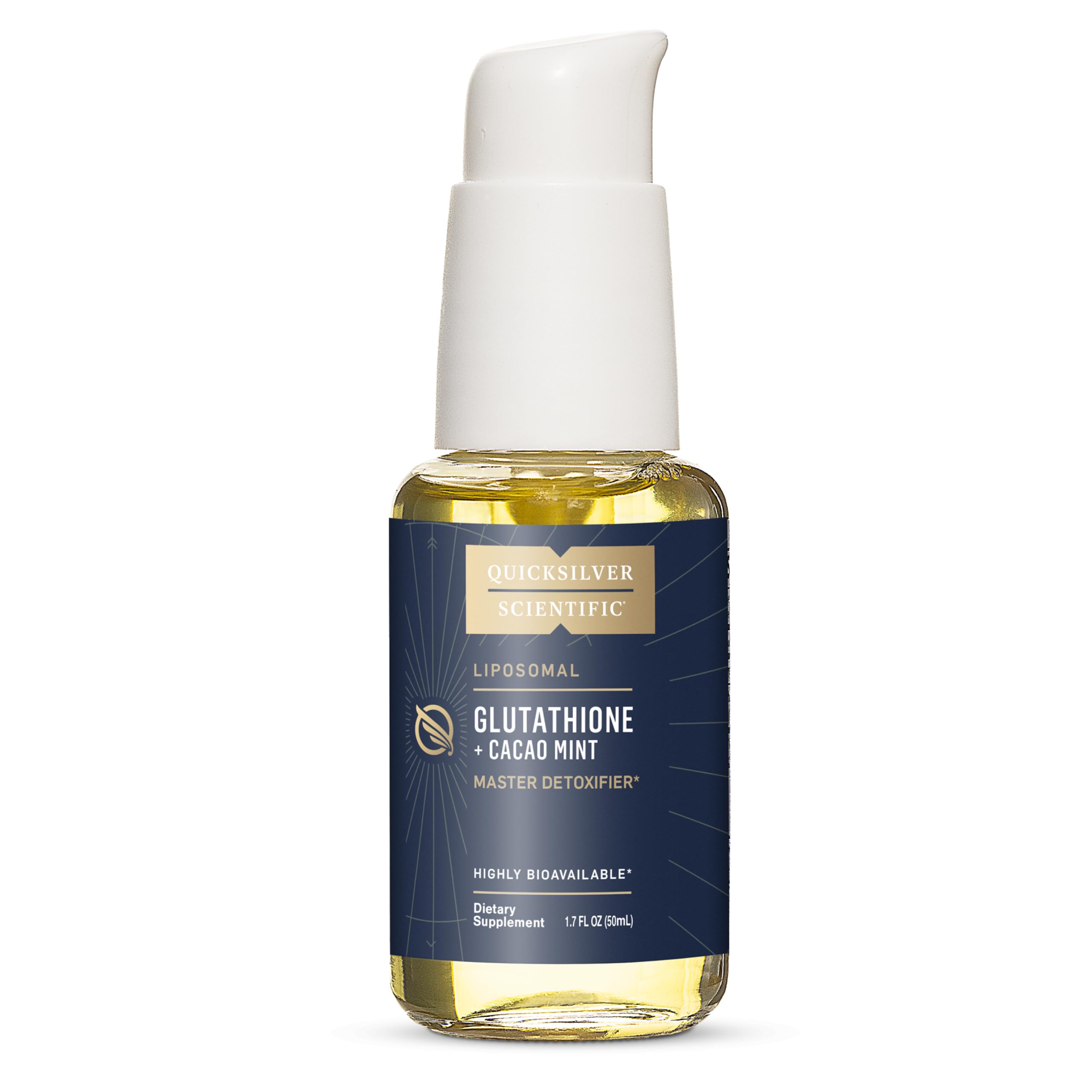
Quicksilver Scientific Liposomal Glutathione - Superior Absorption Oral Glutathione Supplement for Detox & Immune Support - Lemon Mint (1.7 fl oz)
<strong>Quicksilver Scientific Liposomal Glutathione</strong> - Superior Absorption Oral Glutathione Supplement for Detox & Immune Support - 100 mg of Liquid Glutathione, Gluten Free & Non-GMO
Evidence & Sources
Promising research with growing clinical support from multiple studies
- World Health Organization. WHO Guidelines for Indoor Air Quality: Dampness and Mould
- Centers for Disease Control and Prevention (CDC)
- Institute of Medicine (National Academies). Damp Indoor Spaces and Health
- National Institute for Occupational Safety and Health (NIOSH)
- American Academy of Allergy, Asthma & Immunology (AAAAI)
- NCCIH (National Center for Complementary and Integrative Health)
- Environmental Health Perspectives
- Clinical Infectious Diseases
This content is for informational purposes only and does not constitute medical advice. Always consult a qualified healthcare provider before starting, stopping, or changing any supplement or medication regimen.