

Menopause Symptoms
Overview
Menopause symptoms refer to the physical, emotional, cognitive, and genitourinary changes that can occur during the menopausal transition and after menopause, when ovarian hormone production declines. Menopause is clinically defined as 12 consecutive months without menstrual periods, while the years leading up to that point are often called perimenopause. Symptoms vary widely in type, intensity, and duration. Some people experience only mild changes, while others report substantial disruption in sleep, mood, daily functioning, sexual health, and quality of life.
Commonly discussed symptoms include hot flashes, night sweats, sleep disturbance, irregular menstrual cycles, vaginal dryness, pain with intercourse, low libido, mood changes, brain fog, and joint or muscle discomfort. Vasomotor symptoms such as hot flashes are among the most recognized features and may persist for years in some individuals. The menopausal transition is also associated with longer-term physiologic changes, including shifts in bone density, cardiovascular risk, and urogenital tissue health, making it an important stage in preventive health as well as symptom management.
From a public health perspective, menopause is a universal life stage rather than a disease, yet its symptoms can overlap with or mask other health conditions. The experience is shaped by age, genetics, smoking status, body composition, psychosocial stress, comorbid conditions, medications, and cultural context. Research also suggests that symptom burden and the age at menopause can differ across populations. Because symptom patterns are highly individualized, evaluation by a qualified healthcare professional may be important when bleeding changes are unusual, symptoms are severe, or other conditions such as thyroid disease, anemia, depression, sleep disorders, or gynecologic pathology need to be considered.
Across medical systems, menopause is often viewed as a major physiologic transition that calls for personalized assessment. Conventional medicine tends to focus on hormonal changes, symptom relief, and risk reduction, while traditional systems may interpret menopause through broader patterns involving vitality, heat, dryness, depletion, or imbalance. These perspectives are not mutually exclusive, and many people explore integrative care models with attention to safety, evidence quality, and individual health history.
Western Medicine Perspective
Western / Conventional Medicine Perspective
In conventional medicine, menopause symptoms are understood primarily as the result of declining ovarian function and fluctuating then falling levels of estrogen and progesterone, with downstream effects on the brain, blood vessels, bone, connective tissue, and genitourinary tract. Vasomotor symptoms are thought to involve altered thermoregulation in the hypothalamus. Genitourinary symptoms are often grouped under genitourinary syndrome of menopause (GSM), which reflects estrogen-related changes in vaginal and urinary tissues. Conventional evaluation may include a clinical history focused on menstrual patterns, symptom timing, medication use, and relevant risk factors; laboratory testing is often selective rather than routine unless another condition is suspected.
Management in western medicine is typically symptom-based and individualized. Research indicates that menopausal hormone therapy can be effective for vasomotor symptoms and some genitourinary symptoms in appropriate candidates, while nonhormonal approaches are also used, including certain prescription medications, lubricants or moisturizers for vaginal symptoms, psychotherapy-based strategies for mood or insomnia, and lifestyle-oriented measures such as temperature regulation, sleep optimization, physical activity, and smoking cessation support. Clinicians also consider bone health, cardiovascular risk, breast and endometrial safety, and the person’s age and time since menopause when discussing options.
Conventional medicine also emphasizes that some symptoms commonly attributed to menopause may warrant additional workup. Abnormal uterine bleeding, chest symptoms, severe mood changes, persistent sleep disruption, or rapid cognitive changes are not automatically assumed to be caused by menopause alone. Professional societies generally encourage individualized discussion with a licensed healthcare provider to distinguish expected menopausal changes from conditions requiring separate evaluation.
Eastern & Traditional Perspective
Eastern / Traditional Medicine Perspective
Traditional medical systems generally do not define menopause solely by hormone levels. Instead, they often describe it as a transition in the body’s regulatory balance, vitality, and aging process. In Traditional Chinese Medicine (TCM), menopause symptoms are commonly interpreted through patterns such as Kidney yin deficiency, Kidney yang imbalance, Liver qi stagnation, or the presence of internal heat. Hot flashes and night sweats may be viewed as signs of relative deficiency heat, while irritability, sleep disruption, and palpitations may be understood in terms of shen disturbance or disharmony among organ systems. TCM approaches traditionally include individualized herbal formulas, acupuncture, moxibustion, dietary patterning, and mind-body regulation.
In Ayurveda, menopause is often framed as a natural stage of life associated with shifts in doshas, especially changes in vata and pitta. Symptoms such as dryness, anxiety, insomnia, and irregularity may be associated with vata imbalance, while heat, irritability, and flushing may be associated with pitta aggravation. Traditional Ayurvedic care may involve herbs, oiling practices, routine stabilization, breathwork, yoga, and dietary adjustments aimed at supporting resilience and easing transition. In naturopathic and other traditional systems, menopause is also frequently approached through stress modulation, sleep support, digestion, and constitution-based care.
Evidence for these approaches is mixed and depends heavily on the specific therapy studied. Some research suggests that acupuncture may help certain menopausal symptoms, particularly hot flash frequency or severity in some populations, though findings are inconsistent and placebo effects are difficult to fully separate. Herbal medicine is widely used in traditional practice, but product quality, standardization, safety, and herb-drug interactions remain important concerns. For this reason, integrative care models generally emphasize working with qualified practitioners and informing all healthcare providers about supplements or traditional therapies being used.
Supplements & Products
Recommended Products
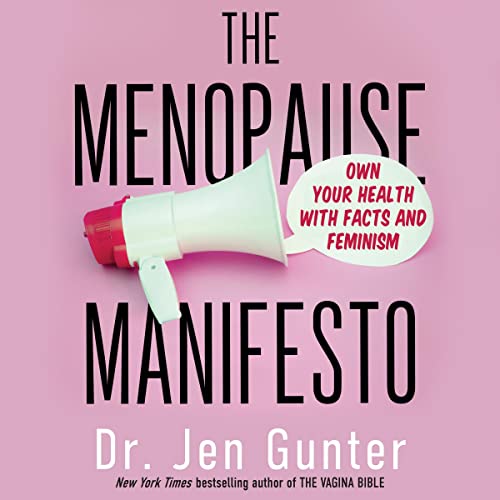
The Menopause Manifesto: Own Your Health with Facts and Feminism: Dr. Jen Gunter
She <strong>writes about the intersection of women's health, sex, science, and pop culture for the New York Times</strong>. She has been called a fierce advocate for women's health, Twitter&

Nature's Way Soy Isoflavones, Menopause Symptom Relief Support*, 100mg of Soybean Extract Per Serving, 60 Vegan Capsules
Carlyle Soy Isoflavones for Women and Men 1500mg | 200 Capsules | Non-GMO, Gluten Free Extract Supplement221 ... NOW Foods Supplements, Soy Isoflavones, 60 mg (Plant Compounds Particularly Concentrate

Good Clean Love Rehydrate Ultra Moisturizing Vaginal Gel with Hyaluronic Acid, pH-Balanced Vaginal Moisturizer, Water-Based Feminine Care, Long Lasting Relief from Dryness & Discomfort, 2 Oz
NO MORE DRYNESS: Rehydrate Ultra Moisturizing Gel is <strong>scientifically formulated with key ingredient Hyaluronic Acid to instantly deliver & retain moisture and provide long-lasting dryness r
Evidence & Sources
Promising research with growing clinical support from multiple studies
- North American Menopause Society (The Menopause Society)
- American College of Obstetricians and Gynecologists (ACOG)
- National Institute on Aging (NIA)
- NCCIH (National Center for Complementary and Integrative Health)
- JAMA
- The Lancet
- Menopause
- Maturitas
- Cochrane Reviews
- BMJ
This content is for informational purposes only and does not constitute medical advice. Always consult a qualified healthcare provider before starting, stopping, or changing any supplement or medication regimen.