

Melasma
Also known as: Chloasma, Facial Hyperpigmentation
Overview
Melasma is a common acquired pigmentary disorder that causes symmetrical brown, gray-brown, or slate-colored patches on sun-exposed skin, especially the cheeks, forehead, upper lip, nose, and chin. It occurs when pigment-producing cells in the skin become overactive, leading to excess melanin deposition. Melasma is not dangerous or contagious, but it can be persistent, recurrent, and emotionally distressing because it often affects highly visible areas of the face.
The condition is most often associated with ultraviolet and visible light exposure, hormonal influences, and genetic predisposition. It is more common in women, particularly during the reproductive years, and is frequently discussed in the context of pregnancy, oral contraceptive use, and other hormone-related changes. People with darker skin phototypes are generally more susceptible, likely because their melanocytes are more reactive to environmental and hormonal triggers.
Melasma is increasingly understood as more than a simple surface discoloration. Research suggests it involves a combination of epidermal and dermal pigment changes, vascular factors, inflammation, and skin barrier disruption in some individuals. This helps explain why the condition can be difficult to treat and why relapses are common even after visible improvement. Sun exposure remains one of the most important aggravating factors, and even low-grade daily light exposure may contribute to recurrence.
From a broader health perspective, melasma is significant because it sits at the intersection of dermatology, endocrinology, and lifestyle/environmental medicine. Conventional care often focuses on diagnosis, trigger management, and depigmenting therapies, while traditional systems may frame it in terms of internal imbalance, heat, circulation, or constitutional factors. Across both perspectives, the condition is generally approached as chronic but manageable, and evaluation by a qualified healthcare professional is important to distinguish melasma from other causes of facial pigmentation.
Medical Perspectives
Two Ways of Seeing Health

Western
scientific · clinical
Western medicine applies science, technology, and clinical experience to treat symptoms through testing, diagnosis, and targeted intervention.

Eastern
traditional · alternative
Eastern medicine focuses on treating the body naturally by applying traditional knowledge practiced for thousands of years, emphasizing balance and whole-person wellness.
Gold Bamboo presents both perspectives side-by-side so you can make informed decisions. We don't advocate for one over the other — your health choices are yours.
Western Medicine Perspective
Western Medicine Perspective
In conventional dermatology, melasma is classified as a chronic hyperpigmentation disorder driven by an interplay of light exposure, hormones, genetics, and local skin signaling pathways. Dermatologists often distinguish between epidermal, dermal, and mixed melasma, although modern imaging and histology suggest that overlap is common. Clinical assessment may include pattern recognition, review of hormone-related history, medication exposure, and evaluation of potential mimics such as post-inflammatory hyperpigmentation, drug-induced pigmentation, lichen planus pigmentosus, or ochronosis.
Western management generally centers on photoprotection and pigment modulation. The medical literature most strongly supports broad-spectrum sun protection, particularly including visible light protection, because recurrence is common without careful light avoidance strategies. Topical agents commonly studied include hydroquinone, retinoids, azelaic acid, kojic acid, cysteamine, and combination formulas such as the well-known triple-combination cream. In selected cases, clinicians may consider chemical peels, lasers, light-based procedures, or oral tranexamic acid, though these approaches require careful supervision because irritation can worsen pigmentation in some patients.
Research indicates that melasma can have a substantial quality-of-life impact, affecting self-image, mood, and social confidence. For that reason, many dermatology guidelines emphasize long-term management rather than the expectation of a permanent cure. Because the condition may be influenced by hormonal status, thyroid disease, pregnancy, or medication use, conventional evaluation sometimes includes broader clinical context rather than skin findings alone. Any treatment decisions are best individualized with a dermatologist or other qualified clinician, especially in pregnancy, breastfeeding, or in people with sensitive or highly reactive skin.
Eastern & Traditional Perspective
Eastern and Traditional Medicine Perspective
In Traditional Chinese Medicine (TCM), melasma is not defined by modern pigment biology but is often interpreted through patterns such as liver qi stagnation, blood stasis, disharmony of the Chong and Ren channels, or accumulation of heat affecting the face. When melasma appears around pregnancy, menstruation, or emotional stress, traditional frameworks may relate the discoloration to internal imbalance rather than to a skin-only issue. TCM assessment typically considers the whole pattern of symptoms, including menstrual history, digestion, sleep, stress, and tongue/pulse findings.
Traditional East Asian approaches have historically used herbal formulas, acupuncture, and lifestyle patterning intended to support circulation, regulate internal heat, and restore systemic balance. Some contemporary studies from integrative medicine settings suggest acupuncture or combined herbal approaches may improve melasma severity scores in certain patients, but the overall evidence quality remains mixed, with variability in study design and formulation. Because herbs can interact with medications and are not universally standardized, involvement of a trained practitioner is important.
In Ayurveda, facial hyperpigmentation may be viewed in relation to disturbances involving Pitta (heat, inflammation, color changes), sometimes combined with Rakta dhatu imbalance or broader digestive and hormonal factors. Traditional Ayurvedic care may include constitutional assessment, botanical preparations, topical pastes, and lifestyle measures intended to reduce internal heat and support skin health. Naturopathic and holistic frameworks often similarly emphasize trigger reduction, barrier support, antioxidant-rich nutrition, and minimizing irritation.
Across traditional systems, melasma is often understood as an outward sign of deeper imbalance involving hormones, stress, circulation, or heat/inflammation. While these models differ from biomedical explanations, they share some practical overlap with modern ideas about chronicity, recurrence, and the role of environmental triggers. As with conventional options, complementary approaches warrant professional guidance, especially because facial pigmentation can have multiple causes and some topical or herbal products may aggravate sensitive skin.
Supplements & Products
Recommended Products
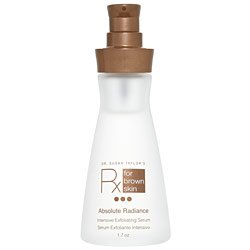
Brown Skin: Taylor, Susan C.
In a nutshell, BROWN SKIN is <strong>a complete guide for women of color, on how to enhance and protect their outer beauty</strong>. Dr Taylor does a fascinating job of demystifying the scientific fac

EltaMD UV Elements Tinted Moisturizer with Broad-Spectrum SPF 44, Mineral Face Sunscreen, Water-Resistant, Oil-Free, Face Moisturizer 2.0 oz Airless Pump (2 pack)
Buy EltaMD UV Elements Tinted Moisturizer with Broad-Spectrum SPF 44, Mineral Face Sunscreen, Water-Resistant, Oil-Free, Face Moisturizer 2.0 oz Airless Pump (2 pack) on Amazon.com ✓ FREE SHIPPING on
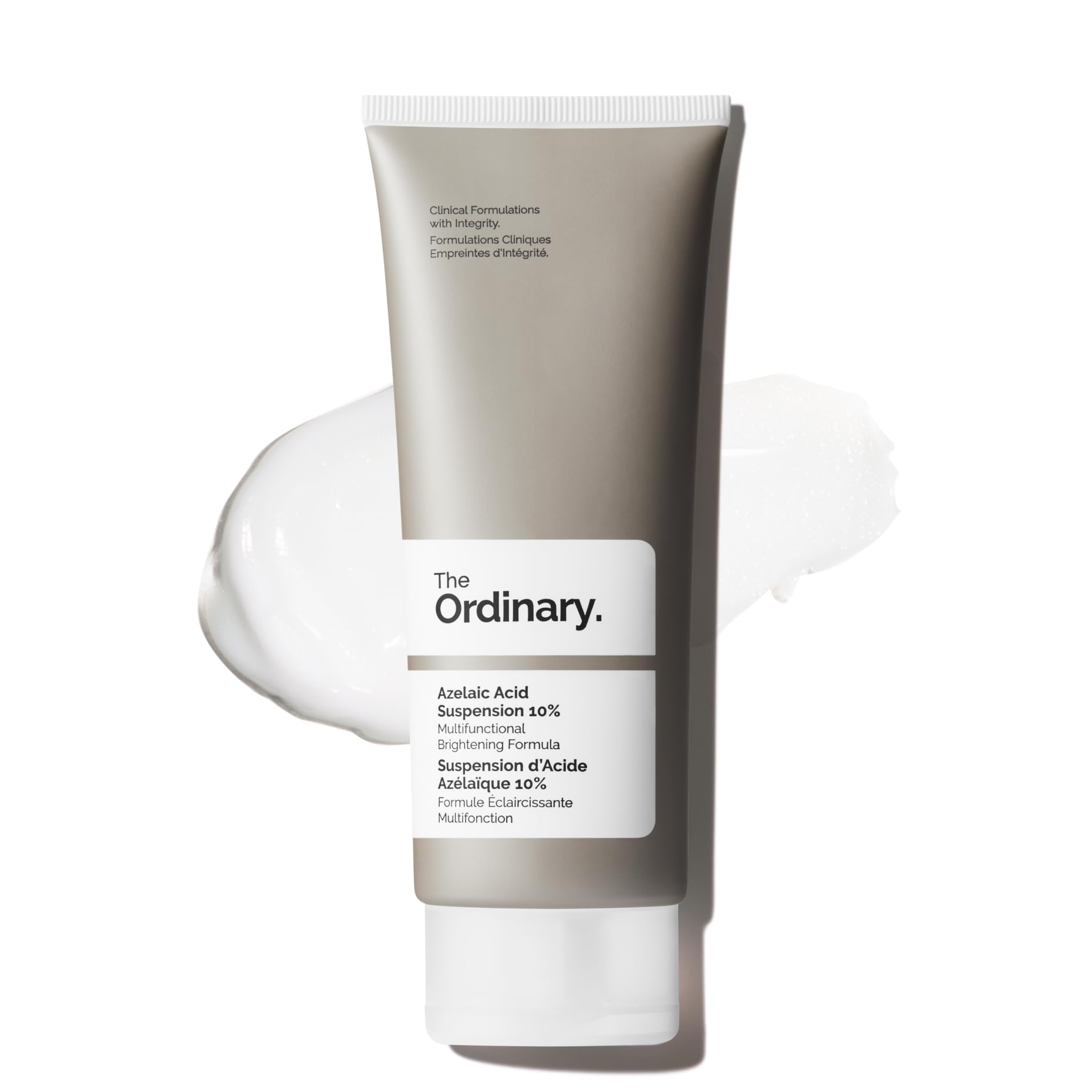
The Ordinary Azelaic Acid Suspension 10%, Brightening Formula for Uneven and Blemish-Prone Skin, 1 Fl Oz
Amazon.com: <strong>The Ordinary Azelaic Acid Suspension 10%</strong>, Brightening Formula for Uneven and Blemish-Prone Skin, 1 Fl Oz : Beauty & Personal Care
Evidence & Sources
Promising research with growing clinical support from multiple studies
- Journal of the American Academy of Dermatology
- British Journal of Dermatology
- American Academy of Dermatology
- Dermatologic Surgery
- Journal of Cosmetic Dermatology
- National Center for Complementary and Integrative Health (NCCIH)
- World Health Organization (WHO) Traditional Medicine resources
- StatPearls
This content is for informational purposes only and does not constitute medical advice. Always consult a qualified healthcare provider before starting, stopping, or changing any supplement or medication regimen.