

Lymphedema
Overview
Lymphedema is a chronic condition characterized by the buildup of protein-rich lymphatic fluid in the tissues, leading to persistent swelling, most often in the arms or legs. It develops when the lymphatic system—which helps maintain fluid balance, supports immune function, and transports cellular waste—is impaired or overloaded. Lymphedema may be primary, arising from inherited or developmental abnormalities of lymphatic vessels, or secondary, resulting from damage to or removal of lymph nodes and vessels, often after cancer surgery, radiation, infection, trauma, or chronic venous disease.
The condition is clinically significant because it affects more than appearance or limb size. Research and clinical experience indicate that lymphedema can contribute to heaviness, tightness, discomfort, restricted mobility, recurrent skin infections such as cellulitis, and reduced quality of life. In cancer survivorship, breast cancer–related lymphedema is among the most recognized forms, but lymphedema can also occur after treatment for gynecologic, urologic, melanoma, and head and neck cancers. Globally, lymphatic filariasis remains an important infectious cause in some regions, while in higher-income settings, cancer treatment is a leading cause of secondary lymphedema.
Lymphedema may begin subtly, with intermittent swelling, a feeling of fullness, or changes in how clothing or jewelry fit. Over time, chronic inflammation and tissue remodeling can make swelling more persistent and the skin and underlying tissues more fibrotic. Because progression can occur gradually, early recognition is often emphasized in clinical practice. Diagnosis is usually based on medical history and physical examination, sometimes supported by limb measurements, bioimpedance, ultrasound, lymphoscintigraphy, or other imaging when the cause is unclear.
From a broader health perspective, lymphedema sits at the intersection of circulatory health, immune function, rehabilitation medicine, dermatology, oncology, and chronic disease management. Conventional medicine focuses on confirming diagnosis, ruling out other causes of swelling, reducing complications, and improving function. Traditional medical systems often interpret swelling through frameworks involving fluid stagnation, impaired circulation, inflammation, or constitutional imbalance. Across systems, a common theme is that lymphedema is generally viewed as a long-term condition requiring individualized care and ongoing monitoring, ideally in consultation with qualified healthcare professionals.
Medical Perspectives
Two Ways of Seeing Health

Western
scientific · clinical
Western medicine applies science, technology, and clinical experience to treat symptoms through testing, diagnosis, and targeted intervention.

Eastern
traditional · alternative
Eastern medicine focuses on treating the body naturally by applying traditional knowledge practiced for thousands of years, emphasizing balance and whole-person wellness.
Gold Bamboo presents both perspectives side-by-side so you can make informed decisions. We don't advocate for one over the other — your health choices are yours.
Western Medicine Perspective
Western Medicine Perspective
In conventional medicine, lymphedema is understood as a disorder of lymphatic transport capacity. When lymphatic vessels or nodes are absent, damaged, obstructed, or overwhelmed, interstitial fluid accumulates faster than it can be cleared. Clinicians typically distinguish between primary lymphedema and secondary lymphedema, the latter being more common. Secondary cases are frequently associated with surgery involving lymph node dissection, radiation therapy, malignancy, infection, obesity, trauma, or venous and vascular disorders. Assessment generally includes identifying the underlying cause, determining disease severity, and excluding other contributors to swelling such as deep vein thrombosis, heart failure, kidney disease, lipedema, or infection.
Standard management is typically centered on symptom control, functional improvement, skin protection, and complication prevention rather than cure. Clinical guidelines commonly discuss approaches such as compression-based care, manual lymphatic drainage in selected settings, exercise therapy, skin care, limb volume monitoring, and patient education delivered within a comprehensive decongestive framework. Studies suggest that structured rehabilitation can reduce limb volume and improve symptoms for many patients, though outcomes vary by stage, cause, and adherence. In more advanced or refractory cases, specialized surgical approaches—such as lymphovenous bypass, vascularized lymph node transfer, or debulking procedures—may be considered in selected patients within expert centers.
Research in recent years has expanded understanding of lymphedema as more than a simple fluid problem. Investigators describe roles for chronic inflammation, adipose deposition, fibrosis, altered immune surveillance, and recurrent infection in disease progression. This has led to interest in earlier screening after cancer treatment, more precise imaging of lymphatic anatomy and flow, and multidisciplinary survivorship care. Conventional medicine also places strong emphasis on monitoring for red flags, including rapid worsening swelling, skin breakdown, fever, or suspected malignancy recurrence, which require prompt medical evaluation.
Eastern & Traditional Perspective
Eastern / Traditional Medicine Perspective
In Traditional Chinese Medicine (TCM), lymphedema-like swelling is not always classified as a single disease entity but may be interpreted through patterns such as dampness accumulation, phlegm retention, qi stagnation, blood stasis, or weakness of the Spleen and Kidney systems. From this perspective, fluid metabolism depends on the harmonious transformation and movement of fluids throughout the body. When these regulatory functions are disrupted—whether by constitutional weakness, surgery, trauma, inflammation, or prolonged stagnation—swelling, heaviness, tissue fullness, and discomfort may arise. Traditional approaches historically aim to support fluid transformation, promote circulation, and reduce stagnation, while taking the individual’s broader pattern into account.
In Ayurveda, persistent swelling may be discussed in relation to imbalances in Kapha, disturbed tissue-fluid handling, impaired circulation, and inflammatory processes involving concepts such as shotha (swelling). Ayurvedic interpretation often considers digestive/metabolic function, tissue nourishment, and obstruction in bodily channels (srotas). Depending on the presentation, traditional frameworks may distinguish between inflammatory and non-inflammatory swelling patterns and may also factor in postoperative weakness, chronicity, and constitution.
Naturopathic and other traditional systems often describe lymphedema through lenses of circulatory stagnation, connective tissue congestion, impaired drainage, and inflammatory burden. Modalities historically discussed in these traditions may include movement-based therapies, bodywork, hydrotherapy, botanical medicine, and dietary pattern assessment. However, from an evidence-based standpoint, support for many traditional therapies in lymphedema remains limited or heterogeneous, and quality varies across studies. Integrative care models generally emphasize that traditional therapies, if used, are best considered adjunctive and coordinated with clinicians familiar with lymphedema management, particularly because affected tissues can be vulnerable to infection, irritation, or worsening swelling.
Supplements & Products
Recommended Products

The Complete Lymphedema Management and Nutrition Guide: Empowering Strategies, Supporting Recipes and Therapeutic Exercises: LaMantia RD, Jean, DiMenna PT CDT, Ann, Szumacher MD FRCP(C) Med, Ewa
The all-new updated second edition of The Complete Lymphedema Management and Nutrition Guide--<strong>a must-have, comprehensive resource from experts Jean LaMantia, RD, and Ann DiMenna, PT, CDT--is h
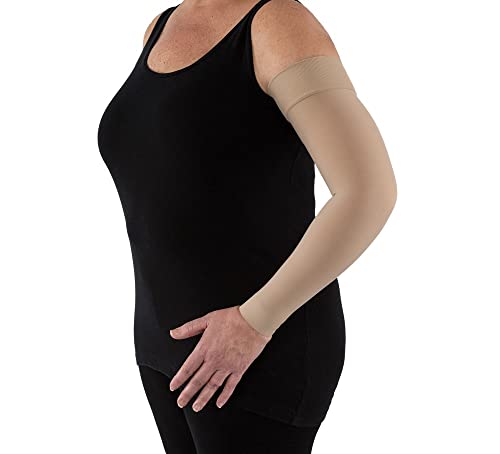
JOBST Bella Lite Women's 20-30 mmHg Arm Sleeve with 2" Silicone Top Band Size: Medium
KEMFORD Compression Lymphedema ... Bella Lite 20-30 mmHg Compression Arm Sleeve with Silicone Border; <strong>air permeable, soft and lightweight knit construction</strong>!...
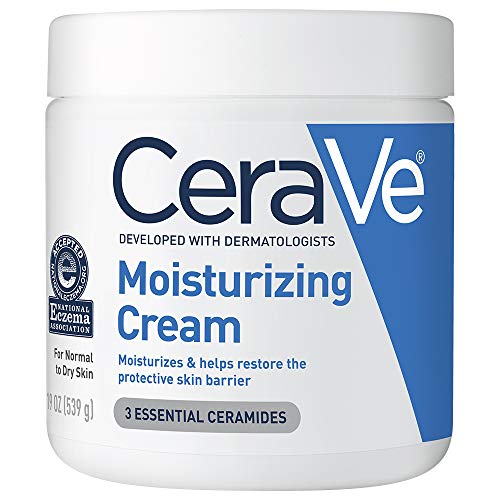
CeraVe Moisturizing Cream, Body and Face Moisturizer for Dry Skin, Body Cream with Hyaluronic Acid and Ceramides, Daily Moisturizer, Oil-Free, Fragrance Free, Non-Comedogenic, 19 Ounce
Amazon.com : CeraVe Moisturizing Cream, Body and Face Moisturizer for Dry Skin, <strong>Body Cream with Hyaluronic Acid and Ceramides</strong>, Daily Moisturizer, Oil-Free, Fragrance Free, Non-Comedog
Evidence & Sources
Promising research with growing clinical support from multiple studies
- International Society of Lymphology Consensus Document
- National Cancer Institute
- National Institute of Diabetes and Digestive and Kidney Diseases (NIDDK)
- National Center for Complementary and Integrative Health (NCCIH)
- World Health Organization
- CA: A Cancer Journal for Clinicians
- Journal of Clinical Oncology
- The Lancet Oncology
This content is for informational purposes only and does not constitute medical advice. Always consult a qualified healthcare provider before starting, stopping, or changing any supplement or medication regimen.