

Low Testosterone
Also known as: Low T, Testosterone Deficiency
Overview
Low testosterone—often called testosterone deficiency or male hypogonadism in conventional medicine—is a hormonal condition in which the body produces less testosterone than expected for age and physiologic needs. Testosterone plays a central role in sexual function, fertility, muscle mass, bone density, red blood cell production, mood, and energy regulation. While testosterone naturally declines with age, not every age-related decrease is considered a medical disorder. In clinical practice, low testosterone is generally discussed when symptoms are present alongside consistently low blood levels confirmed by laboratory testing.
Commonly discussed symptoms include reduced libido, erectile difficulties, fatigue, depressed mood, decreased motivation, reduced muscle mass, increased body fat, lower exercise capacity, and diminished bone density. Some people also report problems with concentration, sleep, or overall vitality. These symptoms are not specific to testosterone deficiency, however, and may overlap with sleep disorders, depression, chronic stress, obesity, thyroid disease, medication effects, alcohol use, and other endocrine or metabolic conditions. That overlap is one reason the topic often requires careful medical evaluation rather than symptom-based assumptions.
Low testosterone can arise from several mechanisms. Primary hypogonadism refers to reduced testosterone production originating in the testes, while secondary hypogonadism involves impaired signaling from the brain—especially the hypothalamus or pituitary gland. Contributing factors may include aging, obesity, type 2 diabetes, metabolic syndrome, chronic illness, pituitary disorders, genetic conditions, overtraining, inadequate sleep, opioid use, anabolic steroid withdrawal, and certain medications. In some cases, the picture is functional and potentially reversible; in others, it reflects a more persistent endocrine disorder.
Public interest in low testosterone has grown because the condition sits at the crossroads of sexual health, performance, aging, metabolism, and quality of life. At the same time, it is an area where expectations, marketing, and evolving research can outpace nuance. Current evidence suggests that hormone health is influenced by body composition, sleep quality, nutrition, alcohol intake, stress physiology, and comorbid disease, making “natural support” an area of active interest. A balanced discussion typically includes both the conventional diagnostic framework and the traditional medicine view that vitality reflects broader patterns of systemic balance. Anyone concerned about symptoms or hormone status is generally best served by discussing testing and interpretation with a qualified healthcare professional.
Medical Perspectives
Two Ways of Seeing Health

Western
scientific · clinical
Western medicine applies science, technology, and clinical experience to treat symptoms through testing, diagnosis, and targeted intervention.

Eastern
traditional · alternative
Eastern medicine focuses on treating the body naturally by applying traditional knowledge practiced for thousands of years, emphasizing balance and whole-person wellness.
Gold Bamboo presents both perspectives side-by-side so you can make informed decisions. We don't advocate for one over the other — your health choices are yours.
Western Medicine Perspective
Western Medicine Perspective
In conventional medicine, low testosterone is understood as a clinical syndrome requiring both symptoms and biochemical confirmation. Major professional guidelines emphasize that testosterone levels can fluctuate based on time of day, illness, sleep, medications, and laboratory variability, so diagnosis usually relies on morning blood testing on more than one occasion, often with total testosterone and, in selected cases, free testosterone and related hormones such as LH, FSH, prolactin, thyroid markers, and iron studies. Clinicians also evaluate whether the problem is primary or secondary and may investigate underlying causes such as obesity, pituitary disease, medication effects, or systemic illness.
From a physiologic standpoint, testosterone production is regulated by the hypothalamic-pituitary-gonadal axis. Disturbances anywhere along this pathway can reduce circulating testosterone. Research has also linked lower testosterone levels with obesity, insulin resistance, obstructive sleep apnea, chronic inflammation, and cardiovascular risk factors, although the direction of causality is not always straightforward. In some individuals, low testosterone appears to be part of a broader metabolic picture rather than an isolated endocrine problem.
Conventional management focuses first on identifying contributory factors and clarifying risks and benefits of treatment pathways. Medical literature suggests that addressing excess adiposity, poor sleep, heavy alcohol use, uncontrolled diabetes, medication-related suppression, and untreated sleep apnea may influence hormone status in some men. When testosterone replacement therapy is considered, guidelines describe it as a decision requiring individualized assessment, especially because treatment may affect fertility, red blood cell counts, prostate monitoring parameters, and cardiovascular risk discussions. Symptoms attributed to low testosterone are also interpreted cautiously because many are multifactorial.
For people interested in non-pharmaceutical support, western research has explored areas such as weight reduction, resistance exercise, sleep optimization, stress reduction, correction of nutritional deficiencies, and management of comorbid disease. Some dietary supplements are marketed for testosterone support, but evidence quality varies considerably, and product purity can be inconsistent. Conventional medicine therefore tends to frame “natural support” as part of a broader effort to improve metabolic health, recovery capacity, and endocrine resilience, rather than as a standalone replacement for diagnostic evaluation.
Eastern & Traditional Perspective
Eastern and Traditional Medicine Perspective
In Traditional Chinese Medicine (TCM), low-testosterone-type symptoms are not typically categorized as a single hormone diagnosis. Instead, they may be understood through patterns such as Kidney Yang deficiency, Kidney Jing depletion, Spleen Qi deficiency, or Liver Qi stagnation, depending on the person’s overall presentation. Symptoms like fatigue, low libido, weakness, poor recovery, low motivation, cold intolerance, or diminished vitality may be interpreted as signs that the body’s foundational reserves and warming energy are insufficient. TCM traditionally views sexual vitality, reproductive strength, bone health, and aging as closely linked to the Kidney system and the preservation of essence (Jing).
A TCM approach often emphasizes the relationship between constitutional vitality, stress burden, sleep, digestion, and aging. Rather than focusing on a lab value alone, the traditional lens considers whether the body is depleted, constrained, or failing to transform nourishment efficiently. Herbal medicine, acupuncture, breathwork, and lifestyle practices have historically been used to support overall balance and restore function. Research on acupuncture and Chinese herbal formulas for male reproductive and endocrine health is growing, but the evidence remains mixed and often limited by study quality, small sample sizes, and variability in formulas.
In Ayurveda, symptoms associated with low testosterone may be discussed in terms of reduced ojas (vital essence), weakened agni (metabolic fire), or imbalances involving Vata and Kapha, depending on the symptom pattern. Reproductive vitality is linked to shukra dhatu, the tissue system associated with reproductive function and regenerative capacity. Fatigue, loss of drive, reduced muscle tone, poor sexual vitality, and mental dullness may be interpreted as signs of depleted tissue nourishment or impaired systemic balance. Ayurvedic traditions have long used rejuvenative frameworks, including rasayana herbs, dietary regulation, sleep hygiene, and restorative daily rhythms, to support vigor and resilience.
Naturopathic and integrative traditions often overlap with both eastern and western views by emphasizing stress physiology, sleep, metabolic health, micronutrient status, inflammation, and adaptogenic support. Herbs such as ashwagandha, fenugreek, tongkat ali, and ginseng are frequently discussed in the natural health literature for male vitality, but current evidence is best described as emerging rather than definitive. Across traditional systems, the central theme is that hormone-related symptoms may reflect broader imbalance in recovery, nourishment, and life force; however, persistent symptoms still warrant evaluation by a qualified healthcare professional to rule out endocrine or systemic disease.
Supplements & Products
Recommended Products

Testosterone for Life: Recharge Your Vitality, Sex Drive, Muscle Mass, and Overall Health: MORGENTALER, Abraham
Boosting Testosterone Naturally After 40: Hidden Secrets for Men to Reclaim Libido, Strength, Energy, and Vitality · N.W. MARTIN ... Dr. Abraham Morgentaler MD M.D.

Life Extension DHEA 25 mg – Supplement for Hormone Balance, Immune Support, Sexual Health, Bone & Cardiovascular Health and Anti-Aging and Mood Support – Gluten-Free, Non-GMO – 100 Capsules
DHEA is the body’s most abundant circulating hormone, but levels decline as we age. That’s why it’s important to add a DHEA supplement to your routine. Our formula delivers 25 mg DHEA to support hormo
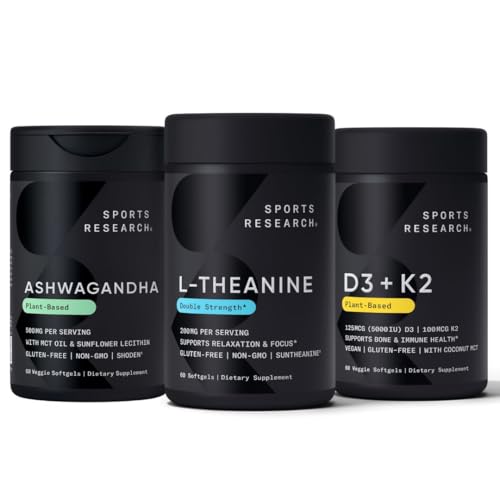
Sports Research® Ashwagandha Softgels with Coconut MCT Oil - Natural Ayurvedic Adaptogen Made with Shoden® Ashwa for Relaxation, Calm & Sleep Support - Gluten Free & Vegan Friendly - 120 Count
Sports Research® Ashwagandha w/Organic KSM-66® – 600 mg – <strong>Adaptogen for Relaxation, Calm & Sleep Support</strong> – USDA Organic · Non-GMO · Vegan Certified – 90 Veggie Capsules
Evidence & Sources
Promising research with growing clinical support from multiple studies
- Endocrine Society Clinical Practice Guideline
- American Urological Association Guideline on Testosterone Deficiency
- The Journal of Clinical Endocrinology & Metabolism
- New England Journal of Medicine
- National Institute of Diabetes and Digestive and Kidney Diseases (NIDDK)
- National Center for Complementary and Integrative Health (NCCIH)
- World Health Organization
- Asian Journal of Andrology
This content is for informational purposes only and does not constitute medical advice. Always consult a qualified healthcare provider before starting, stopping, or changing any supplement or medication regimen.