

Low Libido
Also known as: Low Sex Drive, Decreased Libido
Overview
Low libido refers to a persistent or distressing reduction in sexual desire. Sexual desire naturally varies across the lifespan and can shift with stress, sleep, relationship dynamics, hormonal changes, illness, and life stage. For some people, a lower level of desire is not a problem; in others, it becomes clinically relevant when it causes personal distress, relationship strain, or reflects an underlying health issue. In clinical literature, related terms may include decreased sexual desire, hypoactive sexual desire disorder (HSDD) in some contexts, or broader categories within sexual interest/arousal disorders.
Low libido is common and multifactorial. Research suggests that sexual desire is shaped by an interplay of biological, psychological, relational, and social factors rather than a single hormone or single diagnosis. Contributing factors may include depression and anxiety, chronic stress, poor sleep, menopause, postpartum changes, low testosterone in some individuals, thyroid dysfunction, chronic pain, diabetes, cardiovascular disease, and medication effects such as those associated with certain antidepressants or hormonal therapies. Alcohol and substance use, body image concerns, trauma history, and relationship conflict may also play important roles.
A key point in integrative health is that low libido is not always a standalone condition; it can be a signal of broader imbalance or unmet health needs. This is one reason evaluation often focuses on context: whether desire changed suddenly or gradually, whether the change is situational or generalized, and whether other symptoms are present, such as fatigue, vaginal dryness, erectile difficulties, mood changes, or menstrual irregularities. In many cases, multiple contributors coexist.
Because sexual health is influenced by culture, identity, relationship structure, and personal expectations, a balanced discussion also recognizes that there is no single “normal” level of libido. Conventional and traditional systems alike increasingly emphasize individualized assessment. When low libido is new, persistent, or distressing, clinicians generally consider both medical and psychosocial contributors, and many people benefit from care that includes primary care, gynecology or urology, endocrinology, pelvic health, and mental health or sex therapy perspectives.
Medical Perspectives
Two Ways of Seeing Health

Western
scientific · clinical
Western medicine applies science, technology, and clinical experience to treat symptoms through testing, diagnosis, and targeted intervention.

Eastern
traditional · alternative
Eastern medicine focuses on treating the body naturally by applying traditional knowledge practiced for thousands of years, emphasizing balance and whole-person wellness.
Gold Bamboo presents both perspectives side-by-side so you can make informed decisions. We don't advocate for one over the other — your health choices are yours.
Western Medicine Perspective
Western Medicine Perspective
In conventional medicine, low libido is understood through a biopsychosocial framework. Rather than assuming a purely hormonal cause, clinicians typically assess endocrine factors, medication effects, mental health, chronic disease, pain, sleep, relationship context, and substance use. Depending on age and sex, diagnostic considerations may include menopause-related changes, postpartum and lactation-related hormone shifts, androgen deficiency in select cases, depression, thyroid disease, hyperprolactinemia, and sexual dysfunction related to genitourinary symptoms, erectile dysfunction, or chronic illness.
Evaluation often begins with a detailed history focused on onset, severity, distress, relationship context, and associated symptoms. Physical examination and laboratory testing may be used selectively to look for contributory conditions such as thyroid disorders, anemia, metabolic disease, or sex hormone abnormalities when clinically indicated. Studies indicate that medications are an important and sometimes overlooked cause; selective serotonin reuptake inhibitors (SSRIs), some antihypertensives, hormonal contraceptives in certain individuals, opioids, and other drugs may influence sexual desire.
Management in western medicine depends on the underlying contributors identified. Evidence supports the role of psychosexual counseling, cognitive behavioral approaches, couples therapy, and treatment of coexisting medical or psychiatric conditions. In some populations, hormonal approaches or prescription therapies may be considered under specialist guidance, particularly when low desire is clearly linked to menopausal symptoms or formally diagnosed sexual desire disorders. However, conventional guidelines emphasize that treatment is individualized and that quick, one-size-fits-all explanations are often inadequate.
Research quality is strongest for structured assessment, medication review, and biopsychosocial interventions, while evidence for many supplements marketed for libido remains mixed. Mainstream sexual medicine organizations generally encourage evaluation by qualified healthcare professionals, especially when symptoms are persistent, accompanied by pain, erectile changes, mood symptoms, or endocrine concerns.
Eastern & Traditional Perspective
Eastern and Traditional Medicine Perspective
In Traditional Chinese Medicine (TCM), low libido is commonly viewed as a manifestation of imbalance rather than an isolated symptom. Traditional frameworks may associate reduced sexual desire with patterns such as Kidney deficiency (often linked conceptually to vitality, reproductive essence, and aging), Liver qi stagnation related to stress and emotional constraint, or Spleen qi deficiency associated with fatigue and depletion. TCM assessment typically considers energy, sleep, mood, digestion, menstrual history, and overall constitutional patterns rather than focusing only on reproductive hormones.
Traditional East Asian approaches have historically used combinations of acupuncture, moxibustion, movement practices, and herbal formulas tailored to the individual pattern presentation. Some modern studies suggest acupuncture may have potential benefits for stress reduction, mood, and certain aspects of sexual function, but the evidence specific to low libido is still limited and heterogeneous. As a result, this area is generally considered promising but not definitive from an evidence-based perspective.
In Ayurveda, low libido may be interpreted through concepts involving depleted vitality, chronic stress, disturbed sleep, reproductive tissue nourishment, and imbalance in doshas such as Vata or Kapha, depending on the overall presentation. Traditional Ayurvedic care may emphasize restoration of energy, digestion, emotional balance, and relational well-being through individualized herbal preparations, dietary patterns, daily routines, and mind-body practices. In naturopathic and integrative traditions, low libido is similarly framed as a whole-person issue involving endocrine health, stress physiology, inflammation, nutrient status, and lifestyle burden.
Across these traditional systems, the emphasis is often on root-cause assessment, constitutional balance, and restoration of overall vitality. At the same time, contemporary integrative care generally acknowledges the importance of ruling out medical causes and coordinating with conventional evaluation, particularly when symptoms are sudden, severe, or associated with other reproductive, endocrine, or mental health changes.
Supplements & Products
Recommended Products

Rekindling Desire
"Rekindling Desire, 2nd Edition should be on the bookshelf of every sex/relationship therapist's office, and on the nightstand of every person who is facing questions or concerns about his/h
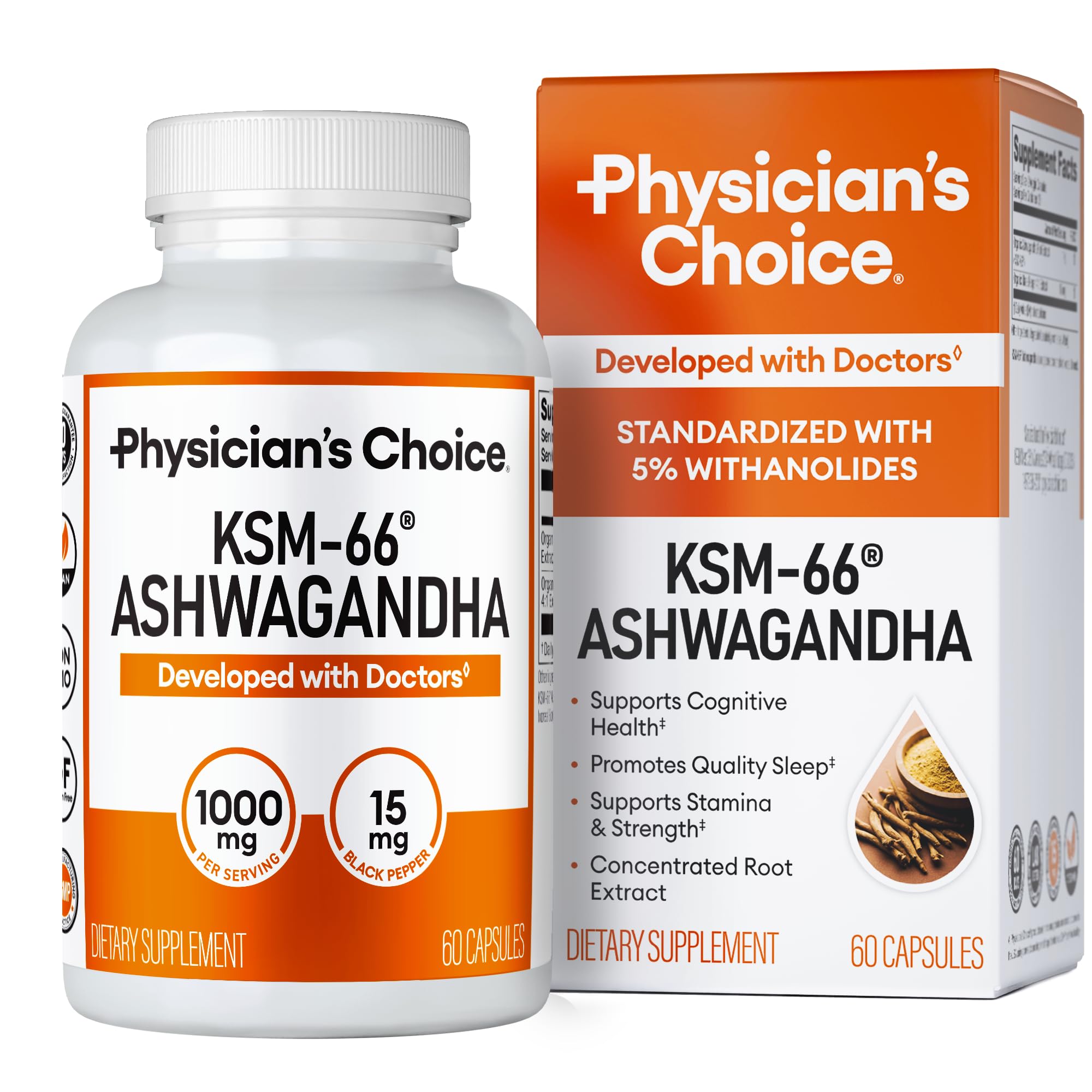
Physician's CHOICE KSM-66 Ashwagandha Root Powder Extract 1,000mg - Organic - with Black Pepper for Maximum Absorption - 5% Withanolides - Stress, Mood & Athletic Support - 60 Vegan Capsules
Why Clinically Proven KSM?: Organic KSM-66 ashwagandha root extract is <strong>the most researched ashwagandha with 22 Rigorous double-blind clinical studies showing its effectiveness in supporting re

Solgar Korean Ginseng Root Extract, 60 Vegetable Capsules - Immune Support - Standardized, Full Potency (SFP) - Non-GMO, Vegan, Gluten Free, Dairy Free, Kosher - 60 Servings, Standard Packaging
Standardized, Full Potency (SFP); ... Ginseng Root Extract is <strong>suitable for vegans, and free of: gluten, wheat, dairy, soy, yeast, sugar, sodium, artificial flavor, sweetener, preservatives, an
Evidence & Sources
Promising research with growing clinical support from multiple studies
- International Society for the Study of Women's Sexual Health (ISSWSH)
- American Urological Association
- American College of Obstetricians and Gynecologists (ACOG)
- Endocrine Society
- National Center for Complementary and Integrative Health (NCCIH)
- World Health Organization (WHO)
- The Journal of Sexual Medicine
- Mayo Clinic Proceedings
This content is for informational purposes only and does not constitute medical advice. Always consult a qualified healthcare provider before starting, stopping, or changing any supplement or medication regimen.