

Low Back Pain
Also known as: Lower Back Pain, Back Pain, Lumbago
Overview
Low back pain is among the most common health complaints worldwide and a leading cause of disability, missed work, and reduced quality of life. It refers to pain, stiffness, or discomfort in the area between the lower ribs and the buttocks, sometimes occurring alone and sometimes with symptoms that radiate into the hips or legs. Episodes may be acute (short-term), subacute, or chronic, and the experience can range from mild soreness to severe pain that limits movement, sleep, and daily function.
Low back pain is not a single disease but a broad clinical syndrome with many possible contributors. Common factors include muscle or ligament strain, repetitive loading, prolonged sitting, deconditioning, disc degeneration or herniation, joint irritation, and postural stress. In some cases, pain is influenced not only by tissue injury but also by nervous system sensitization, stress, mood, poor sleep, and occupational or lifestyle factors. This is one reason low back pain can persist even when imaging findings do not fully explain symptom severity.
From a public health perspective, low back pain is extremely significant. Global burden studies consistently identify it as one of the top causes of years lived with disability. Although many episodes improve over time, recurrence is common, and a smaller proportion of people develop persistent or recurrent pain that can affect mobility, exercise tolerance, mental well-being, and participation in work or caregiving. Because of this complexity, modern discussions increasingly frame low back pain through a biopsychosocial lens, recognizing structural, neurological, behavioral, and emotional dimensions.
A careful evaluation is often important because while most cases are considered nonspecific low back pain, some cases involve identifiable causes such as nerve root compression, spinal stenosis, inflammatory disease, fracture, infection, kidney-related pain, or malignancy. Healthcare professionals often pay close attention to so-called red flag symptoms—for example major trauma, unexplained weight loss, fever, cancer history, progressive neurological changes, or loss of bowel or bladder control—because these may indicate the need for urgent medical assessment. Many people also explore integrative approaches such as acupuncture, massage, yoga, tai chi, mindfulness-based practices, and herbal traditions, particularly when symptoms are recurrent or chronic.
Compare Treatment Options
Lower back pain is a broad symptom complex rather than a single diagnosis. It commonly refers to pain, stiffness, tension, or reduced mobility in the area between the lower ribs and the buttocks. Episodes may be acute after lifting, twisting, prolonged sitting, or minor strain, or they may become persistent and overlap with chronic pain patterns, myofascial pain, disc-related irritation, facet joint pain, or nerve involvement such as sciatica. In many cases, no single structure can be identified with certainty, which helps explain why people often receive different treatment suggestions. Treatment options vary because lower back pain exists on a spectrum: some cases improve with time and movement, some are driven more by muscle guarding and reduced conditioning, and others involve inflammatory, mechanical, or nerve-related features. Research generally supports staying as active as tolerated, matching treatment intensity to symptom severity and duration, and watching for red flags such as fever, trauma, progressive weakness, bowel or bladder changes, or cancer history. Many people explore both conventional approaches such as exercise-based physical therapy and medications, and Eastern approaches such as acupuncture or mind-body movement practices, especially when symptoms recur or become chronic.
View treatment comparison (6 options)Medical Perspectives
Two Ways of Seeing Health

Western
scientific · clinical
Western medicine applies science, technology, and clinical experience to treat symptoms through testing, diagnosis, and targeted intervention.

Eastern
traditional · alternative
Eastern medicine focuses on treating the body naturally by applying traditional knowledge practiced for thousands of years, emphasizing balance and whole-person wellness.
Gold Bamboo presents both perspectives side-by-side so you can make informed decisions. We don't advocate for one over the other — your health choices are yours.
Western Medicine Perspective
Western Medicine Perspective
In conventional medicine, low back pain is typically classified by duration (acute, subacute, chronic) and by suspected mechanism. Most cases are labeled nonspecific low back pain, meaning symptoms are real and significant but cannot be traced to a single dangerous structural cause. Clinicians generally distinguish this from pain with radiculopathy (such as sciatica), pain related to spinal stenosis, vertebral compression fracture, inflammatory back disease, infection, or other less common but more serious conditions. Medical evaluation often begins with history and physical examination, with special attention to neurological findings, symptom pattern, functional limitation, and red flags.
Research and clinical guidelines indicate that imaging is not always necessary in uncomplicated low back pain, because MRI and X-ray findings such as disc bulges or degenerative changes are common even in people without pain. Conventional care often emphasizes maintaining activity as tolerated, functional rehabilitation, education, and addressing contributing factors such as poor sleep, fear of movement, or reduced conditioning. Depending on the case, commonly used approaches may include physical therapy, exercise-based rehabilitation, manual therapy, ergonomic changes, behavioral pain management, and selected medications. Interventional procedures or surgery are generally reserved for specific indications, such as significant nerve compression, structural instability, or severe symptoms that correlate with clinical findings.
Western medicine increasingly recognizes that chronic low back pain can involve central sensitization and altered pain processing, not just ongoing tissue damage. This has shaped a more multidisciplinary approach that may involve rehabilitation specialists, pain medicine clinicians, psychologists, and integrative medicine practitioners. Evidence reviews suggest that nonpharmacologic therapies—including exercise, spinal manipulation in some settings, acupuncture, mindfulness-based stress reduction, and certain movement therapies—may provide benefit for selected patients, although effects vary and no single approach works universally. The overall conventional framework emphasizes individualized assessment, excluding serious pathology, restoring function, and reducing disability over time.
Eastern & Traditional Perspective
Eastern / Traditional Medicine Perspective
In Traditional Chinese Medicine (TCM), low back pain is often understood as a disruption in the flow of Qi and Blood through the meridians of the lower back, frequently involving the Kidney system, which is traditionally associated with the low back, bones, vitality, and aging. Pattern differentiation may include Kidney deficiency, Cold-Damp invasion, Qi and Blood stagnation, or trauma-related obstruction. From this viewpoint, pain may be sharp and fixed, dull and weak, worse with cold or damp weather, or aggravated by overwork depending on the underlying pattern. Traditional therapies may include acupuncture, moxibustion, cupping, tui na bodywork, movement practices such as tai chi or qigong, and individualized herbal formulas.
In Ayurveda, low back pain is often discussed under frameworks involving Vata imbalance, particularly when pain is associated with dryness, stiffness, degeneration, irregularity, or nervous system sensitivity. Some presentations may also involve muscular inflammation or congestion interpreted through other doshic patterns. Traditional Ayurvedic care may include herbal preparations, external oil therapies, gentle movement, breathing practices, digestive support, and lifestyle routines aimed at restoring balance and reducing strain on the system. In naturopathic and other traditional systems, low back pain may similarly be viewed as multifactorial, involving structure, inflammation, stress load, circulation, and constitutional resilience.
Across Eastern and traditional frameworks, the emphasis is often less on isolating a single anatomical lesion and more on identifying a pattern of imbalance involving energy flow, environmental influences, tissue nourishment, overexertion, and emotional stress. These systems commonly treat low back pain as a condition affected by the whole person rather than only the spine. Contemporary integrative medicine often explores these traditional approaches alongside biomedical evaluation, especially for persistent nonspecific low back pain. While some modalities—particularly acupuncture—have been studied in modern trials, the theoretical explanations used in traditional systems are distinct from those used in conventional medicine, and consultation with qualified healthcare professionals remains important when symptoms are severe, progressive, or accompanied by neurological or systemic warning signs.
Supplements & Products
Recommended Products

Back Mechanic by Dr. Stuart McGill (2015-09-30): Stuart McGill
Fixing You: Back Pain 2nd edition: <strong>Self-Treatment for Back Pain, Sciatica, Bulging and Herniated Discs, Stenosis, Degenerative Discs, and other Diagnoses</strong>. ... Brief content visible, d
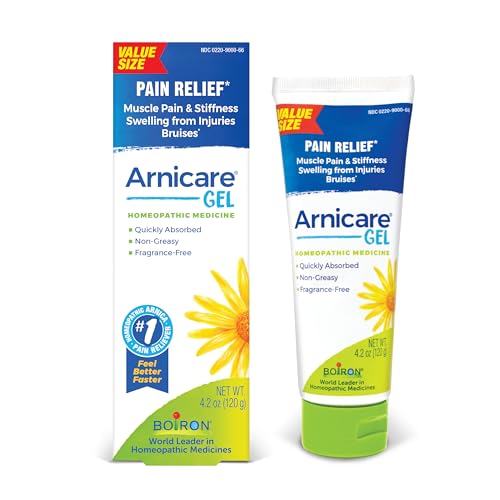
Boiron Arnicare Gel for Relief of Joint Pain, Muscle Pain, Muscle Soreness, and Swelling from Bruises or Injury - Non-greasy and Fragrance-Free - 4.2 oz
Boiron Arnicare Cream for Relief for Joint Pain, Muscle Pain, Muscle Soreness, and Swelling from Bruises or Injury - Fast Absorbing and Fragrance-Free - 1.3 oz · Boiron Arnicare Gel 4.2 oz (Twin Pack)

Everlasting Comfort The Original Lumbar Support Pillow - Improves Posture, Promotes Back Pain Relief - Superior Office Chair Back Support for Gaming and Desk Chairs - Lumbar Pillow for Car, Couch
A long-lasting addition to home ... ADJUSTABLE STRAPS: <strong>Featuring dual adjustable straps with extension pieces, this ergonomic compact lumbar pillow for sciatica secures firmly to chairs up to
Evidence & Sources
Promising research with growing clinical support from multiple studies
- The Lancet
- BMJ
- JAMA
- Annals of Internal Medicine
- Cochrane Database of Systematic Reviews
- World Health Organization (WHO)
- National Institute for Health and Care Excellence (NICE)
- National Center for Complementary and Integrative Health (NCCIH)
This content is for informational purposes only and does not constitute medical advice. Always consult a qualified healthcare provider before starting, stopping, or changing any supplement or medication regimen.