

Kidney Stones — Alternative Medicine Perspectives
Overview
Kidney stones are hard mineral and salt deposits that form within the kidneys or elsewhere in the urinary tract. They are a common urologic condition worldwide and may vary in size, composition, and likelihood of recurrence. The most frequent types include calcium oxalate, calcium phosphate, uric acid, struvite, and cystine stones. Symptoms can range from no symptoms at all to severe flank pain, nausea, blood in the urine, urinary urgency, and, in some cases, infection or obstruction. Because stone formation is often influenced by hydration status, diet, metabolic factors, genetics, and underlying medical conditions, kidney stones are generally understood as a multifactorial disorder rather than a single disease entity.
From a public health perspective, kidney stones are significant because they are both common and recurrent. Epidemiologic research suggests that lifetime risk has increased in many regions, with recurrence affecting a substantial proportion of individuals after a first episode. Risk may be shaped by climate, occupational heat exposure, obesity, diabetes, gastrointestinal disorders, and certain medications. The condition can also carry a broader health burden: recurrent stones are associated with emergency visits, procedures, time away from work, and reduced quality of life. In some patients, recurrent nephrolithiasis may coexist with chronic kidney disease risk factors or reflect deeper metabolic abnormalities.
In integrative and alternative medicine discussions, kidney stones occupy an important space because many traditional systems have long described patterns resembling urinary gravel, painful urination, heat in the urinary tract, or stone-like accumulations. These systems often emphasize terrain, constitution, digestion, fluid balance, and elimination. At the same time, modern evidence-based care remains central because some stones pass spontaneously while others may require urgent medical evaluation, especially when accompanied by fever, uncontrolled pain, reduced urine output, or signs of obstruction.
Alternative medicine perspectives typically focus on supportive themes such as hydration patterns, dietary context, botanical traditions, constitutional assessment, and recurrence prevention frameworks. However, the evidence base is uneven. Some lifestyle measures overlap substantially with conventional prevention principles, while many herbal or traditional approaches remain emerging or historically grounded rather than definitively established in large clinical trials. For that reason, kidney stones are best understood as a condition where integrative perspectives may contribute context and supportive strategies, but where diagnosis, stone analysis, and individualized medical assessment remain important.
Western Medicine Perspective
Western / Conventional Medicine Perspective
In conventional medicine, kidney stones are understood through stone composition, urinary chemistry, anatomy, and recurrence risk. Evaluation often includes imaging, urinalysis, blood work, and, when possible, laboratory analysis of a passed or removed stone. For recurrent stone formers, metabolic evaluation may include 24-hour urine testing to assess factors such as urine volume, calcium, oxalate, citrate, uric acid, sodium, and pH. This approach reflects a key principle of western nephrology and urology: the most effective prevention strategies are often based on identifying the specific biochemical environment that favors stone formation.
Management depends on stone size, location, symptoms, and complications. Small stones may pass spontaneously, while larger or obstructing stones may require interventions such as medical expulsive therapy, ureteroscopy, shock wave lithotripsy, or percutaneous procedures. Conventional prevention commonly focuses on fluid intake, dietary pattern, urine dilution, and targeted metabolic correction. Research supports the role of adequate hydration and, in selected patients, dietary or pharmacologic measures tailored to stone type. For example, calcium oxalate stones are often discussed in relation to oxalate handling, sodium intake, urinary citrate, and calcium balance, while uric acid stones are closely linked to urine acidity and purine metabolism.
From the standpoint of evidence, western medicine generally regards alternative therapies for kidney stones with caution. Some botanicals and supplements have been studied for possible diuretic, antispasmodic, anti-inflammatory, crystallization-inhibiting, or citrate-enhancing effects, but the quality of evidence is often limited by small sample sizes, variable preparations, and inconsistent outcome measures. Clinicians also note potential safety concerns, including delayed treatment of obstruction or infection, interactions with medications, and the possibility that some supplements could worsen stone risk depending on mineral content or metabolic effects.
A major conventional concern is that acute stone pain can resemble other emergencies, and obstructing stones can become dangerous when infection is present. For this reason, healthcare evaluation is considered especially important for severe pain, fever, persistent vomiting, solitary kidney, pregnancy, or reduced urine output. Within an integrative framework, conventional medicine provides the diagnostic structure needed to distinguish between supportive self-care concepts and situations that may require urgent intervention.
Eastern & Traditional Perspective
Eastern / Traditional Medicine Perspective
In Traditional Chinese Medicine (TCM), kidney stones are not defined by modern mineral composition but are often interpreted through patterns such as damp-heat in the lower burner, qi stagnation, blood stasis, or dysfunction involving the Kidney, Bladder, Spleen, and Liver systems. Symptoms like painful urination, dark urine, urinary obstruction, or gravel-like passage may be grouped under classical urinary syndromes. Traditional treatment theory has often emphasized clearing heat, draining dampness, promoting urination, moving qi, and easing pain. Herbal formulas used historically in East Asian medicine may include plants traditionally categorized as promoting urination or relieving strangury, though their use is typically pattern-based rather than disease-name based.
In Ayurveda, presentations resembling kidney stones are commonly discussed under Ashmari, a condition historically associated with derangements of doshas, especially Kapha and Vata, along with impaired urinary flow and metabolic imbalance. Classical Ayurvedic texts describe herbal, dietary, and cleansing approaches intended to support urinary tract function and reduce stone-forming tendencies. Certain herbs—such as Tribulus terrestris, Bergenia ligulata, and others used in traditional formulations—have drawn modern research interest for possible antiurolithic effects, but evidence remains mixed and not fully standardized. Ayurvedic interpretation often places kidney stones within a broader context of digestion, tissue metabolism, and waste elimination.
In naturopathy and other traditional systems, kidney stones are often viewed through the lenses of hydration status, urinary chemistry support, dietary burden, and the use of botanicals with demulcent, diuretic, or antispasmodic reputations. Folk and herbal traditions from multiple cultures have used plants such as chanca piedra (Phyllanthus niruri), nettle, corn silk, gravel root, and others for urinary discomfort or stone-related symptoms. Early studies and laboratory data suggest some of these herbs may influence crystal aggregation, urinary smooth muscle activity, or inflammatory pathways, but these findings have not uniformly translated into strong, large-scale clinical evidence.
Across eastern and traditional frameworks, a recurring theme is that stone formation reflects imbalance over time, not just an isolated event. These systems often emphasize individualized assessment, constitutional patterning, and prevention-oriented lifestyle context. Even so, reputable integrative practice generally recognizes that kidney stones can become acutely serious, and traditional approaches are most responsibly discussed as complementary perspectives rather than substitutes for appropriate diagnostic and medical care.
Supplements & Products
Recommended Products

No More Kidney Stones: The Experts Tell You All You Need to Know about Prevention and Treatment: Rodman MD, John S., Sosa MD, R. Ernest, Seidman MS RD, Cynthia, Jones, Rory
by John S. Rodman MD (Author), R. Ernest Sosa MD (Author), Cynthia Seidman MS RD (Author), Rory Jones & 1 more ... <strong>A Proven Plan to Prevent Painful Kidney Stones At last!</strong>
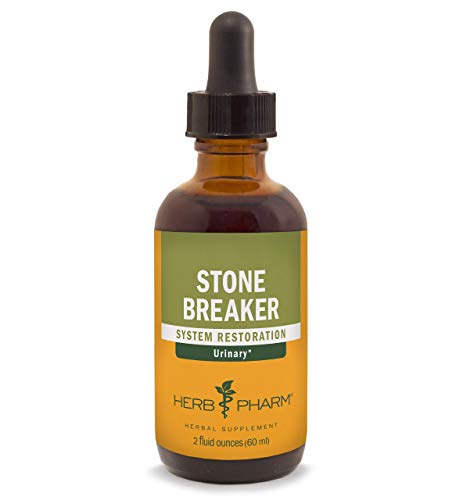
Herb Pharm Stone Breaker (Chanca Piedra) Compound for Urinary System Support - 4 Ounce
Organic Chanca Piedra Concentrate & Extract 16oz - Phyllanthus Niruri - Natural Liquid Stone Breaker & Crusher Tincture
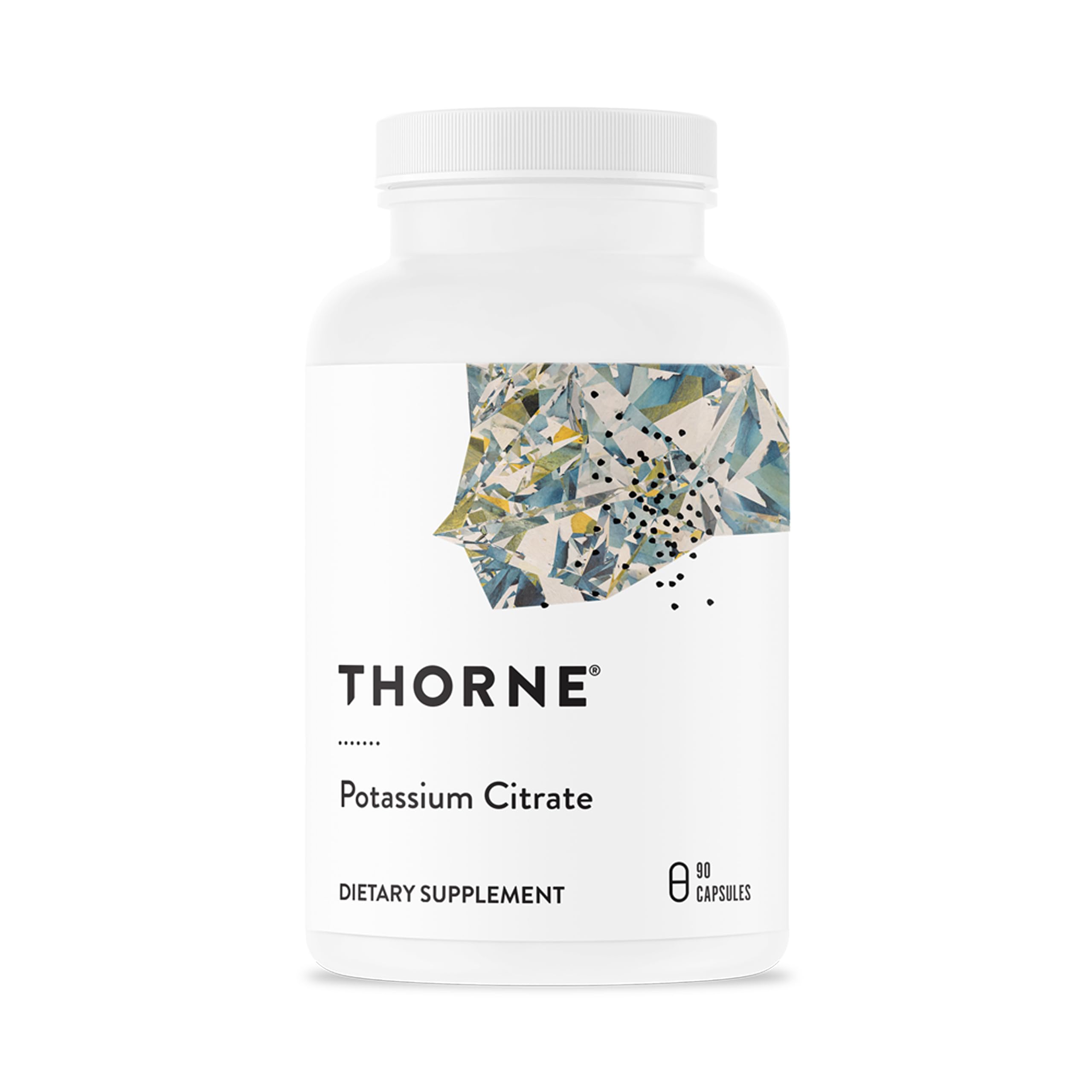
THORNE - Potassium Citrate - Highly-Absorbable Potassium Supplement for Kidney, Heart, and Skeletal Support* - 90 Capsules : Everything Else
Buy THORNE - Potassium Citrate - Highly-Absorbable Potassium Supplement for Kidney, Heart, and Skeletal Support* - 90 Capsules on Amazon.com ✓ FREE SHIPPING on qualified orders
Evidence & Sources
Promising research with growing clinical support from multiple studies
- American Urological Association (AUA) Guidelines
- European Association of Urology (EAU) Guidelines on Urolithiasis
- National Institute of Diabetes and Digestive and Kidney Diseases (NIDDK)
- National Center for Complementary and Integrative Health (NCCIH)
- World Journal of Urology
- Urolithiasis
- Journal of Ethnopharmacology
- Phytotherapy Research
- Cochrane Database of Systematic Reviews
- BMJ
This content is for informational purposes only and does not constitute medical advice. Always consult a qualified healthcare provider before starting, stopping, or changing any supplement or medication regimen.