

Keratoconus
Overview
Keratoconus is a progressive eye condition in which the cornea—the clear, dome-shaped front surface of the eye—gradually thins and bulges outward into a cone-like shape. This change alters how light enters the eye, often leading to blurred vision, irregular astigmatism, glare, halos, double vision in one eye, and increasing sensitivity to light. The condition often begins in the teenage years or early adulthood, though the rate of progression varies considerably. In some people it remains relatively stable for years; in others it advances more quickly and significantly affects day-to-day visual function.
Keratoconus is considered a multifactorial disorder. Research suggests that genetic susceptibility, biomechanical weakness of the cornea, oxidative stress, chronic eye rubbing, allergic eye disease, and certain connective tissue or systemic conditions may all play a role. It is not simply a refractive problem like routine nearsightedness; rather, it is a structural corneal disorder. Because early signs can resemble common vision changes, diagnosis may be delayed unless corneal topography or tomography is performed.
The significance of keratoconus lies in both its impact on quality of life and the importance of early detection. Vision may become increasingly difficult to correct with standard glasses as corneal irregularity progresses. Modern ophthalmology has substantially changed the outlook for many patients, particularly through techniques designed to stabilize the cornea and reduce the likelihood of severe progression. At the same time, broader eye-health discussions increasingly examine whether systemic inflammation, atopy, sleep disorders, nutrient status, and lifestyle factors may influence the overall context in which the condition develops or progresses.
From a functional and integrative health perspective, keratoconus is often viewed as a condition that warrants attention not only to the eye itself, but also to related contributors such as allergic inflammation, mechanical stress from rubbing, oxidative balance, connective tissue resilience, and general metabolic health. Evidence in these areas is still developing. As a result, supportive strategies are best understood as adjunctive and context-oriented rather than replacements for ophthalmologic monitoring. Because untreated progression can lead to substantial visual impairment, collaboration with a qualified eye specialist remains central.
Medical Perspectives
Two Ways of Seeing Health

Western
scientific · clinical
Western medicine applies science, technology, and clinical experience to treat symptoms through testing, diagnosis, and targeted intervention.

Eastern
traditional · alternative
Eastern medicine focuses on treating the body naturally by applying traditional knowledge practiced for thousands of years, emphasizing balance and whole-person wellness.
Gold Bamboo presents both perspectives side-by-side so you can make informed decisions. We don't advocate for one over the other — your health choices are yours.
Western Medicine Perspective
Western Medicine Perspective
In conventional medicine, keratoconus is understood as a progressive corneal ectasia, meaning a structural weakening and protrusion of the cornea. Diagnosis typically relies on a combination of eye examination, refraction changes, corneal thickness measurement, and especially corneal topography/tomography, which can detect subtle shape changes before the disease is obvious on routine exam. Western research has increasingly emphasized the role of corneal biomechanics, inflammatory mediators, oxidative stress pathways, and epithelial/stromal changes. Although keratoconus has historically been described as “non-inflammatory,” newer studies indicate that inflammatory signaling may be involved in at least some cases.
Risk assessment in ophthalmology often includes family history, rapid prescription changes, habitual eye rubbing, eczema, asthma, allergic conjunctivitis, Down syndrome, connective tissue disorders, and sleep-disordered breathing. The link between eye rubbing and progression is especially well recognized in the literature. Conventional management is generally aimed at two goals: preserving visual function and slowing or halting progression. Depending on severity, approaches may include eyeglasses, specialty contact lenses, intracorneal ring segments in selected cases, and corneal collagen cross-linking, which has become a major intervention for stabilization. In advanced disease, corneal transplantation may be considered.
Within a functional medicine-informed interpretation of the western model, there is growing interest in whether broader physiologic factors—such as oxidative stress burden, micronutrient sufficiency, chronic allergic activation, and systemic connective tissue health—could influence disease expression. Research in this area remains limited and heterogeneous, and no nutritional or supplement-based approach is considered a standalone treatment for keratoconus in mainstream ophthalmology. Still, studies suggest that addressing coexisting allergic eye disease, minimizing mechanical trauma to the cornea, and monitoring overall ocular surface health are relevant supportive considerations.
Because keratoconus can progress silently, conventional medicine places strong emphasis on regular follow-up with an eye care professional, especially in younger individuals and in those with signs of worsening astigmatism or reduced visual quality. Integrative support may be discussed in a broader wellness context, but it does not replace imaging-based monitoring or evidence-based ophthalmic care.
Eastern & Traditional Perspective
Eastern/Traditional Medicine Perspective
Traditional medical systems do not generally describe keratoconus in the same structural, imaging-based terms used in modern ophthalmology, but they often interpret progressive visual distortion through broader patterns involving liver-blood nourishment, kidney essence, wind-heat, tissue dryness, constitutional weakness, or chronic irritation of the eyes. In Traditional Chinese Medicine (TCM), the eyes are closely associated with the Liver system, while long-term degeneration or weakness may also be linked to the Kidneys and Essence (Jing). Blurred or fluctuating vision might be framed as a manifestation of insufficient nourishment to the eyes, sometimes combined with heat, dryness, or chronic inflammatory irritation.
In Ayurveda, eye disorders may be interpreted through imbalances in Pitta affecting ocular tissues, or through broader disturbances in tissue nutrition and constitutional resilience. Chronic irritation, redness, burning, and inflammatory tendency may be understood in terms of aggravated Pitta, while degenerative change or tissue thinning could be viewed through depletion-oriented frameworks involving broader dhatu imbalance. Traditional approaches often emphasize the relationship between eye health and digestion, circulation, rest, and systemic vitality.
Naturopathic and integrative traditions often place particular attention on inflammatory load, allergic triggers, oxidative stress, mucosal health, sleep quality, and nutrient density as factors that may affect eye resilience overall. Herbal medicine, dietary patterning, and mind-body regulation have traditionally been used to support systemic balance, though direct evidence specific to keratoconus is limited. These approaches are generally discussed as supportive frameworks for whole-person health rather than disease-specific structural correction.
From an evidence standpoint, eastern and traditional systems may offer useful perspectives on constitution, inflammation, and lifestyle context, but they do not currently replace the ophthalmologic tools needed to diagnose or monitor corneal ectasia. For a condition with potential for irreversible visual decline, traditional approaches are best understood as complementary and ideally coordinated with appropriate medical eye care.
Supplements & Products
Recommended Products

Keratoconus: Diagnosis and Management
Offering practical clinical guidance for early diagnosis and effective management, <strong>Keratoconus: Diagnosis and Management</strong> is a concise, easy-to-read guide to help mitigate loss of visi

Amazon
Statements regarding dietary supplements have not been evaluated by the FDA and are not intended to diagnose, treat, cure, or prevent any disease or health condition · Customer Reviews, including Prod
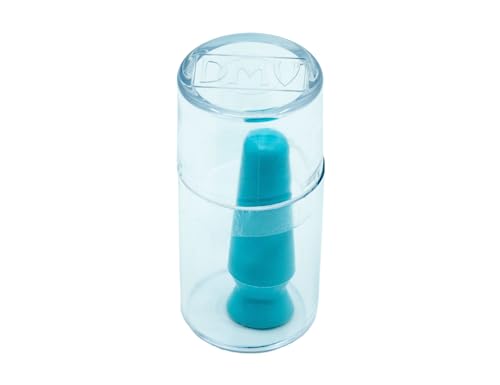
DMV Vented Scleral Cup Hybrid Lens Inserter, White
MUQING 6 Pieces Hard Scleral Lens Remover Tool for RGP, Silicone Eye Contact Lens Plunger Suction Cup
Evidence & Sources
Promising research with growing clinical support from multiple studies
- American Academy of Ophthalmology
- National Eye Institute
- National Center for Complementary and Integrative Health (NCCIH)
- The Lancet
- Ophthalmology
- Cornea
- Survey of Ophthalmology
- British Journal of Ophthalmology
This content is for informational purposes only and does not constitute medical advice. Always consult a qualified healthcare provider before starting, stopping, or changing any supplement or medication regimen.