

Joint Pain
Also known as: Arthralgia, Painful Joints
Joint Pain Overview
Joint pain refers to discomfort, aching, stiffness, or soreness in one or more joints, including the knees, hips, hands, shoulders, spine, and ankles. It is a symptom rather than a single disease, and it can arise from a wide range of causes such as osteoarthritis, rheumatoid arthritis, gout, bursitis, tendon disorders, injury, overuse, infection, and autoimmune or inflammatory conditions. Joint pain is extremely common across age groups, though it becomes more prevalent with aging, repetitive strain, excess body weight, and chronic inflammatory disease. For many people, it affects not only physical comfort but also mobility, sleep, work capacity, and overall quality of life.
The experience of joint pain varies widely. Some people describe a dull ache that worsens with activity, while others report morning stiffness, swelling, heat, redness, or intermittent flares. In conventional medicine, these patterns can help distinguish mechanical pain—often related to wear, injury, or joint degeneration—from inflammatory pain, which may involve prolonged stiffness, swelling, and immune activity. Because joint pain can reflect anything from a temporary strain to a systemic illness, clinicians generally view it as an important sign that requires context, especially when symptoms are persistent, symmetrical, sudden in onset, or accompanied by fever, rash, fatigue, or marked swelling.
From a public health standpoint, joint pain is a major contributor to disability worldwide. Conditions such as osteoarthritis and inflammatory arthritis are associated with reduced function, lower physical activity, and higher healthcare utilization. Research also suggests that chronic joint pain is often influenced by multiple overlapping factors, including cartilage degeneration, synovial inflammation, altered biomechanics, nerve sensitization, muscle weakness, metabolic health, and psychosocial stress. This has led to a broader understanding that successful support often depends on addressing both the local joint and the whole person.
Natural health interest in joint pain is high because many people seek ways to support comfort and movement beyond medication alone. Common areas of interest include anti-inflammatory dietary patterns, weight management, movement-based therapies, physical rehabilitation, acupuncture, mind-body practices, topical approaches, and traditional herbal systems. While some of these approaches are supported by moderate research, the quality of evidence varies by therapy and by the underlying cause of pain. Persistent or severe joint symptoms warrant evaluation by a qualified healthcare professional, particularly when there is concern for infection, autoimmune disease, fracture, or rapidly progressive loss of function.
Compare Treatment Options
Joint inflammation refers to swelling, warmth, stiffness, and pain arising from irritation of the tissues in or around a joint. It is a pattern of symptoms rather than a single diagnosis, and can appear in conditions as varied as osteoarthritis with synovitis, rheumatoid arthritis, gout, reactive arthritis, overuse injuries, bursitis, or flares after infection or mechanical stress. Some people experience a single swollen joint after activity or injury, while others develop persistent inflammation affecting multiple joints and morning stiffness. Treatment options vary because the cause, location, duration, and intensity of inflammation matter. Western care often focuses on identifying the diagnosis, reducing inflammation, preserving function, and preventing structural damage when autoimmune disease is involved. Eastern approaches such as acupuncture, mind-body movement, and traditional herbal strategies are often used to support pain control, mobility, and overall symptom burden. A thoughtful plan typically considers red-flag symptoms, how quickly relief is needed, tolerance for medication side effects, and whether the picture suggests a short-lived flare or a chronic inflammatory condition requiring ongoing monitoring.
View treatment comparison (8 options)Medical Perspectives
Two Ways of Seeing Health

Western
scientific · clinical
Western medicine applies science, technology, and clinical experience to treat symptoms through testing, diagnosis, and targeted intervention.

Eastern
traditional · alternative
Eastern medicine focuses on treating the body naturally by applying traditional knowledge practiced for thousands of years, emphasizing balance and whole-person wellness.
Gold Bamboo presents both perspectives side-by-side so you can make informed decisions. We don't advocate for one over the other — your health choices are yours.
Western Medicine Perspective
Western Medicine Perspective
In conventional medicine, joint pain is approached by identifying the underlying diagnosis rather than treating all joint pain as the same condition. Common causes include osteoarthritis (degenerative joint disease), rheumatoid arthritis and related inflammatory arthritides, crystal arthropathies such as gout, traumatic injury, and periarticular conditions involving tendons, ligaments, or bursae. Assessment typically considers symptom timing, joint distribution, stiffness duration, swelling, range of motion, and associated systemic features. Laboratory testing and imaging may be used when inflammatory, infectious, or structural causes are suspected.
Western medicine generally distinguishes between mechanical/degenerative and inflammatory/immune-mediated pain. Osteoarthritis is often characterized by activity-related pain, brief morning stiffness, and gradual structural changes involving cartilage, bone, and the joint environment. Inflammatory arthritis, by contrast, may present with prolonged morning stiffness, warmth, swelling, and elevated inflammatory markers. Research increasingly recognizes that chronic joint pain may persist even when imaging findings are modest, partly because of central sensitization, neuromuscular dysfunction, and altered pain processing.
Conventional management strategies may include exercise therapy, physical therapy, weight reduction when relevant, supportive devices, topical and oral medications, injections, and in some cases surgery. Major medical guidelines often emphasize nonpharmacologic care as a foundation, especially for osteoarthritis, with medication used based on symptom severity and risk profile. For autoimmune conditions, disease-modifying therapies may be central because untreated inflammation can damage joints over time. From an evidence-based standpoint, the most established interventions for chronic common joint pain tend to be structured movement, rehabilitation, and condition-specific medical management, while nutritional supplements and complementary modalities show mixed but growing evidence depending on the therapy studied.
Clinicians also pay close attention to red flags. Acute hot swollen joints, unexplained fevers, severe trauma, or rapidly worsening pain may indicate urgent conditions such as septic arthritis, fracture, or severe inflammatory flare. Because joint pain can be a manifestation of broader disease, a thorough diagnostic lens remains a core part of the western approach.
Eastern & Traditional Perspective
Eastern and Traditional Medicine Perspective
In Traditional Chinese Medicine (TCM), joint pain is often discussed within the category of Bi syndrome, a pattern traditionally associated with obstruction of the channels by influences such as wind, cold, damp, or heat, leading to pain, stiffness, heaviness, or restricted movement. Chronic cases may also be understood as involving underlying deficiencies of Liver and Kidney systems, which in TCM theory are linked to tendons, bones, and structural resilience. The specific pattern matters: pain that is fixed and heavy may be described differently from pain that is hot, swollen, and inflamed or pain that worsens with cold exposure. Traditional approaches may include acupuncture, moxibustion, manual therapies, movement practices such as tai chi or qigong, and botanical formulas selected according to pattern differentiation.
In Ayurveda, joint pain is commonly interpreted through the lens of dosha imbalance, especially aggravated Vata, which is associated with dryness, degeneration, cracking, and pain. When inflammation, heat, or metabolic toxins are emphasized, Ayurvedic theory may also involve Ama and Pitta-related processes. Classical Ayurvedic approaches have traditionally included dietary regulation, herbal preparations, external oil therapies, massage, heat-based applications, and individualized lifestyle practices aimed at restoring balance and supporting digestion, circulation, and tissue nourishment. As with TCM, the traditional framework focuses less on a single diagnosis label and more on the person’s overall pattern of imbalance.
Other traditional and integrative systems, including naturopathy and functional medicine, often view joint pain as a multifactorial issue involving inflammation, tissue stress, gut-immune interactions, metabolic health, sleep, stress, and movement quality. These systems may emphasize anti-inflammatory food patterns, rehabilitation, hydrotherapy, botanical medicine, and lifestyle support. Research on some eastern and integrative modalities—particularly acupuncture and tai chi for osteoarthritis-related symptoms—suggests potential benefit for pain and function, though outcomes vary across studies and methodologies.
Traditional medicine perspectives can offer a broader framework for understanding chronic pain, especially where stiffness, constitution, seasonal triggers, and whole-body patterns are concerned. At the same time, most traditional systems also acknowledge the importance of recognizing severe or rapidly progressive symptoms that may require biomedical evaluation. Integrative care is often strongest when traditional pattern-based thinking is paired with appropriate medical assessment for structural, inflammatory, infectious, or autoimmune causes.
Supplements & Products
Recommended Products

Mayo Clinic Guide to Arthritis: Managing Joint Pain for an Active Life: Peterson M.D., Lynne S.
Lynne S. Peterson ... From the rheumatology experts at Mayo Clinic comes <strong>a complete guide on arthritis</strong>.
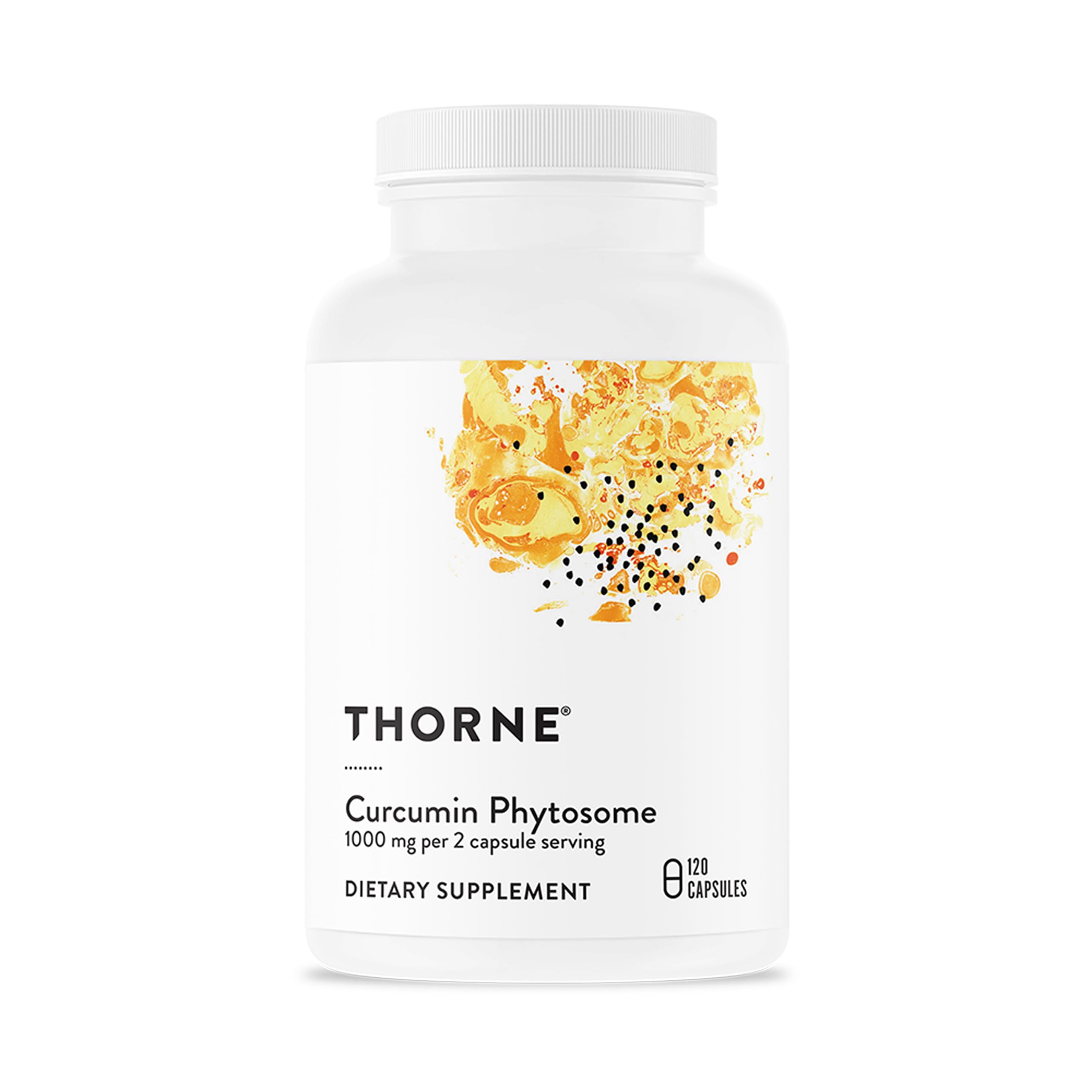
THORNE - Curcumin Phytosome 1000 mg (Meriva) - Clinically Studied, High Absorption - Supports Healthy Inflammatory Response in Joints, Muscles, GI Tract, Liver, Brain & Nerves* - 30 Servings
THORNE - Curcumin Phytosome 500 mg (Meriva) - Sustained Release, Clinically Studied - <strong>Supports Healthy Inflammatory Response in Joints, Muscles, GI Tract, Liver, Brain & Nerves</strong>* -

Doctor's BEST Glucosamine Chondroitin MSM - Joint Health Support Supplement for Women & Men, Nutritional Support for Joint Strength, Hair, Skin, & Nails, Gluten Free, Non GMO - 240 Capsules
Doctor's Best Glucosamine Chondroitin Msm with OptiMSM Capsules, Joint Support Supplement Supports Healthy Joint Structure, Function & Comfort, Non-GMO, Gluten Free, Soy Free, 360 Count
Evidence & Sources
Promising research with growing clinical support from multiple studies
- Centers for Disease Control and Prevention (CDC) – Arthritis
- National Institute of Arthritis and Musculoskeletal and Skin Diseases (NIAMS)
- American College of Rheumatology Guidelines
- Osteoarthritis and Cartilage
- Annals of the Rheumatic Diseases
- The Lancet Rheumatology
- National Center for Complementary and Integrative Health (NCCIH)
- Cochrane Reviews
- BMJ
- World Health Organization (WHO) – Musculoskeletal Conditions
This content is for informational purposes only and does not constitute medical advice. Always consult a qualified healthcare provider before starting, stopping, or changing any supplement or medication regimen.