

Interstitial Cystitis (Bladder Pain Syndrome)
Overview
Interstitial cystitis/bladder pain syndrome (IC/BPS) is a chronic pain condition centered in the bladder and pelvic region, typically defined by bladder-related pain, pressure, or discomfort accompanied by urinary urgency, frequency, or both, in the absence of infection or another clear cause. It is considered a syndrome rather than a single disease, because symptoms, severity, suspected mechanisms, and treatment responses vary widely from person to person. Some individuals experience primarily bladder pain that worsens with filling and improves after urination, while others have broader pelvic pain, sleep disruption, sexual discomfort, bowel symptoms, or flare patterns linked to stress, menstruation, diet, or other triggers.
IC/BPS can be difficult to diagnose because its symptoms overlap with urinary tract infection, overactive bladder, endometriosis, vulvodynia, chronic prostatitis/chronic pelvic pain syndrome, pelvic floor dysfunction, and other pelvic disorders. Conventional definitions generally rely on symptoms lasting for weeks to months and exclusion of other explanations such as active infection, bladder stones, malignancy, or significant structural disease. In some patients, cystoscopy reveals Hunner lesions—distinct inflammatory lesions associated with a particular subtype—while many others have no single visible abnormality. This heterogeneity is one reason the condition remains an active area of research.
Epidemiologic studies suggest IC/BPS affects women more often than men, though it can occur in any sex and at various ages. Exact prevalence estimates differ depending on the criteria used, but population-based research indicates that bladder pain and urinary symptoms consistent with IC/BPS are not rare, and the burden on quality of life can be substantial. People living with the condition may experience work impairment, anxiety, depressed mood, reduced physical activity, and strain on intimate relationships, especially when symptoms are persistent or unpredictable.
Current scientific understanding views IC/BPS as a multifactorial disorder. Proposed mechanisms include urothelial barrier dysfunction, abnormal sensory nerve signaling, neurogenic inflammation, mast-cell activation, immune dysregulation, central sensitization, and coexisting pelvic floor dysfunction. Many patients also have overlapping pain conditions such as irritable bowel syndrome, fibromyalgia, migraine, temporomandibular disorders, or vulvar pain syndromes. This has led many clinicians and researchers to frame IC/BPS within a broader spectrum of chronic overlapping pain conditions, while still recognizing important bladder-specific features in many cases.
Because the syndrome is so variable, education often emphasizes that evaluation and management typically involve a personalized, multidisciplinary approach and careful partnership with qualified healthcare professionals. Integrative discussions may include lifestyle factors, pelvic floor health, pain neuroscience, stress physiology, and traditional healing frameworks, but no single model explains every presentation.
Western Medicine Perspective
Western / Conventional Medicine Perspective
In conventional medicine, IC/BPS is generally understood as a diagnosis of exclusion with multiple possible biological contributors rather than one uniform pathology. Clinical assessment commonly focuses on symptom pattern, duration, urinalysis and urine culture to rule out infection, and consideration of other causes of bladder or pelvic pain. Depending on the presentation, evaluation may also include pelvic examination, voiding diaries, symptom questionnaires, post-void residual testing, cystoscopy, or targeted imaging and laboratory work. The goal is not only to identify IC/BPS-like symptoms, but also to distinguish them from other conditions that may require different care pathways.
Research suggests several overlapping mechanisms may be involved. One major theory proposes defects in the bladder lining (urothelium) that may allow urinary constituents to irritate deeper tissues. Other studies point to sensory nerve hypersensitivity, inflammatory signaling, altered immune activity, and changes in how the brain and spinal cord process pain. In some patients, pelvic floor muscle tenderness or hypertonicity appears to play an important role, while in others the presence of Hunner lesions may indicate a more inflammatory bladder-centered subtype. These findings support the modern view that IC/BPS is best considered a heterogeneous syndrome with both local and systemic dimensions.
Conventional management frameworks are typically stepwise and individualized. Published guidelines often describe a combination of patient education, symptom monitoring, identification of aggravating factors, pelvic floor-focused physical therapy in appropriate cases, oral or intravesical therapies, pain management approaches, and selective procedural interventions for carefully characterized subgroups. Importantly, contemporary guidelines generally note that pelvic floor strengthening exercises are not the same as pelvic floor relaxation-based therapy, and that indiscriminate exercise approaches may not fit all patients. Care often becomes multidisciplinary when symptoms overlap with gynecologic, gastrointestinal, musculoskeletal, neurologic, or psychosocial factors.
From an evidence standpoint, conventional medicine recognizes that some interventions have modest or mixed efficacy, and long-term outcomes can be variable. As a result, treatment planning often emphasizes symptom burden, phenotype, quality-of-life impact, and coexisting conditions rather than a one-size-fits-all protocol. Clinicians also increasingly acknowledge the value of validating patient experience, given that IC/BPS has historically been under-recognized and can involve significant diagnostic delay.
Eastern & Traditional Perspective
Eastern / Traditional Medicine Perspective
In Traditional Chinese Medicine (TCM), symptoms resembling IC/BPS are not usually classified as a single modern disease entity but may be understood through patterns such as damp-heat in the lower burner, qi stagnation, blood stasis, kidney deficiency, spleen deficiency, or disharmony affecting the bladder channel. Pain, urgency, burning, and frequent urination may be interpreted differently depending on whether the presentation appears excess, deficient, acute, chronic, stress-related, or associated with constitutional weakness. TCM frameworks also often consider emotional strain, disrupted circulation of qi, and the interaction between organ systems such as the liver, spleen, and kidneys in chronic pelvic disorders.
Traditional East Asian approaches may include acupuncture, moxibustion, herbal formulas, dietary patterning, and regulation of rest-stress balance, all chosen according to the patient’s pattern rather than the diagnosis label alone. In the literature, acupuncture has received the most modern research attention for IC/BPS-like symptoms, with some small trials and reviews suggesting potential benefit for pain and urinary symptoms. However, study quality is variable, sample sizes are often limited, and standardization is difficult because authentic traditional care is individualized. For this reason, evidence is generally considered suggestive rather than definitive.
In Ayurveda, bladder pain and frequent or painful urination may be interpreted through imbalances involving vata (pain, sensitivity, dysregulation) and pitta (heat, inflammation, burning), sometimes with consideration of impaired tissue resilience or disturbed pelvic elimination pathways. Traditional Ayurvedic management may discuss herbal preparations, daily routine, digestive balance, mind-body regulation, and cooling or soothing strategies, but modern clinical evidence specific to IC/BPS remains limited. Naturopathic and integrative traditions similarly may frame the condition in terms of mucosal irritation, nervous system dysregulation, inflammation, stress response, and whole-person burden, often emphasizing supportive lifestyle measures alongside conventional evaluation.
Across traditional systems, a recurring theme is that chronic bladder pain reflects a pattern of imbalance affecting the whole person, not merely the bladder in isolation. At the same time, responsible integrative care generally recognizes the importance of ruling out infection, malignancy, gynecologic disease, and other serious causes through qualified medical assessment. Traditional approaches are most accurately described as complementary frameworks that may help contextualize symptom patterns and quality-of-life concerns, rather than replacements for diagnostic evaluation.
Supplements & Products
Recommended Products
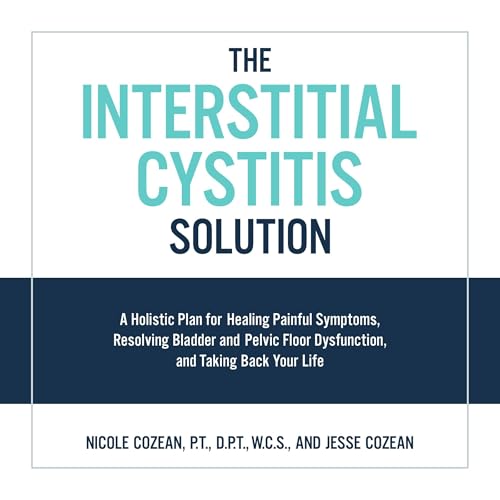
The Interstitial Cystitis Solution: A Holistic Plan for Healing Painful Symptoms, Resolving Bladder and Pelvic Floor Dysfunction, and Taking Back Your Life: Cozean, Nicole, Cozean, Jesse
The Interstitial Cystitis Solution has all the information you need, all in one place. It <strong>provides scientific reviews and evaluations of potential treatments, along with a helpful treatment pl

Prelief Acid Reducer Caplets Dietary Supplement, 60 Count
Active Ingredients: Calcium Glycerophosphate Inactive Ingredients: Magnesium Stearate · Take right as you eat. Take 2 caplets with each meal, snack or beverage. You can take more if needed. For best r
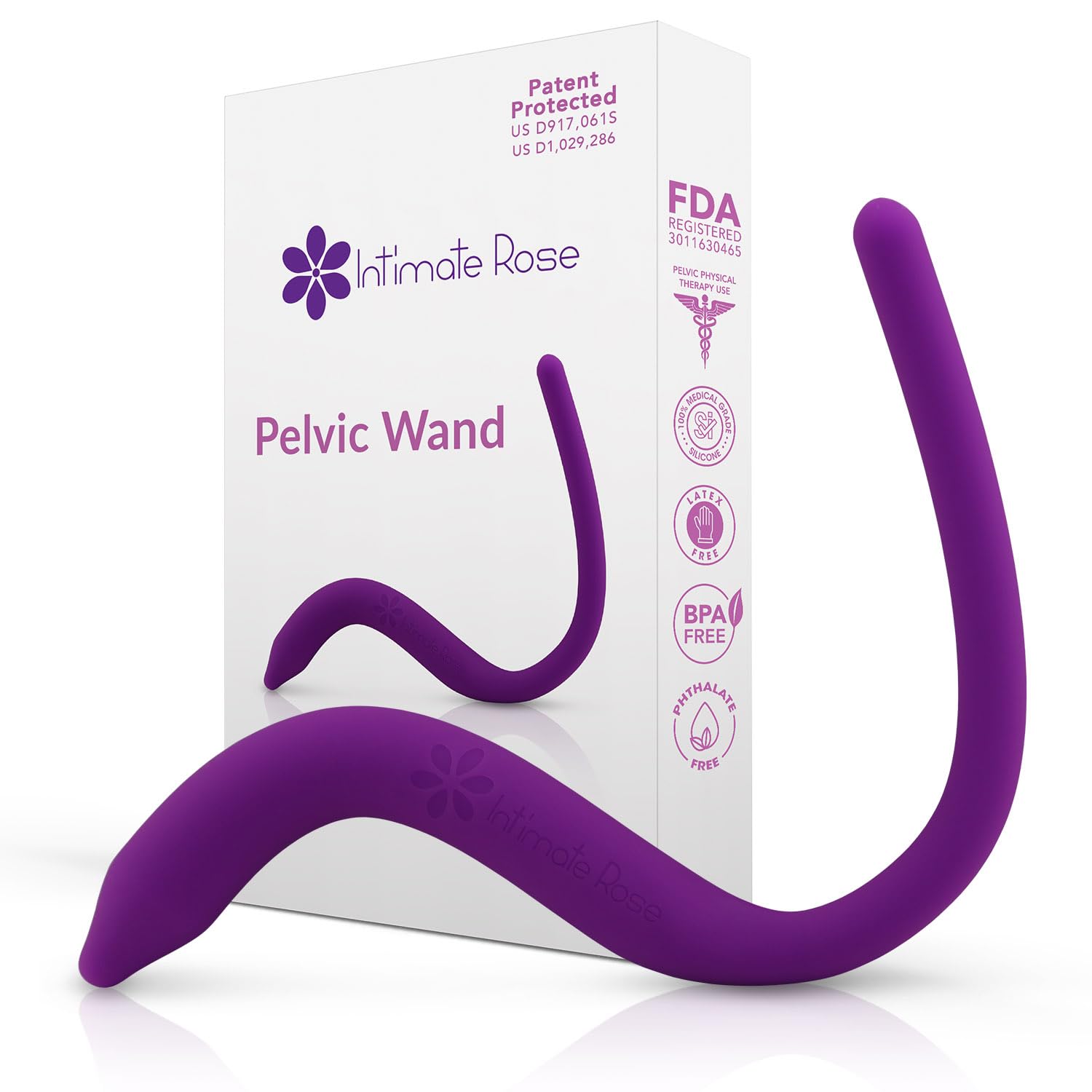
Intimate Rose Pelvic Wand, Pelvic Floor Muscle Trigger Point Massager, Perineal Massage Tool for Pelvic Physical Therapy & Pain Relief, BPA-Free, Latex-Free, Standard (Non-Vibration)
IntimateRose Vibrating Pelvic Wand, Pelvic Floor Muscle Trigger Point Massager, Perineal Massage Tool for Pelvic Physical Therapy & Pain Relief, BPA-Free, Latex-Free (Vibration)
Evidence & Sources
Promising research with growing clinical support from multiple studies
- American Urological Association (AUA) Guideline on Diagnosis and Treatment of Interstitial Cystitis/Bladder Pain Syndrome
- European Association of Urology (EAU) Guidelines on Chronic Pelvic Pain
- National Institute of Diabetes and Digestive and Kidney Diseases (NIDDK)
- National Center for Complementary and Integrative Health (NCCIH)
- The Journal of Urology
- Urology
- Neurourology and Urodynamics
- International Urogynecology Journal
- Cochrane Database of Systematic Reviews
- Nature Reviews Urology
This content is for informational purposes only and does not constitute medical advice. Always consult a qualified healthcare provider before starting, stopping, or changing any supplement or medication regimen.