

Interstitial Cystitis
Also known as: IC, Painful Bladder Syndrome
Overview
Interstitial cystitis (IC), often referred to as bladder pain syndrome (BPS), is a chronic pain condition involving the bladder and surrounding pelvic region. It is commonly characterized by pelvic pain, pressure, or discomfort accompanied by urinary urgency, frequency, or both, in the absence of another clear cause such as active infection. Symptoms can vary widely: some people experience mild but persistent irritation, while others report significant pain, sleep disruption, and reduced quality of life. The condition may also overlap with irritable bowel syndrome, vulvodynia, endometriosis, chronic fatigue, and other chronic pain syndromes, suggesting that in at least some cases it involves more than the bladder alone.
IC/BPS is considered a diagnosis of exclusion in conventional medicine, meaning clinicians typically evaluate for urinary tract infection, bladder stones, gynecologic conditions, prostate-related conditions, overactive bladder, neurologic causes, or malignancy before settling on the diagnosis. Researchers now recognize that IC/BPS is likely heterogeneous, with several possible biological patterns under the same label. Proposed mechanisms include bladder lining dysfunction, mast cell activation, neurogenic inflammation, pelvic floor dysfunction, central sensitization, and immune dysregulation. Some patients also have visible inflammatory bladder lesions known as Hunner lesions, while many do not.
From a public health perspective, IC/BPS is not rare, though exact prevalence estimates vary because diagnostic criteria differ across studies. It appears to affect women more often than men, but it can occur in any sex and at different ages. The condition is often underdiagnosed or misdiagnosed, particularly early on, because symptoms can mimic recurrent urinary tract infections or other pelvic disorders. Many people search for information on dietary triggers, bladder-friendly foods, stress reduction, pelvic floor support, and nonpharmacologic pain management, reflecting the reality that symptom patterns are highly individualized.
A balanced understanding of IC/BPS includes both its medical complexity and the lived experience of fluctuating symptoms. Research suggests that common symptom triggers may include certain acidic or caffeinated beverages, alcohol, spicy foods, stress, sexual activity, and hormonal shifts, although trigger patterns are not universal. Because the condition can be chronic and relapsing, care often focuses on symptom management, quality of life, and individualized identification of aggravating factors, ideally in collaboration with qualified healthcare professionals.
Compare Treatment Options
Interstitial cystitis (IC), also called bladder pain syndrome (BPS), is a chronic condition marked by bladder or pelvic pain, pressure, urinary urgency, and frequent urination without an active infection or another clear structural cause. Symptoms can vary widely: some people mainly notice frequency and urgency, while others experience pain that worsens as the bladder fills, discomfort with sex, sleep disruption, or symptom flares linked to foods, stress, menstruation, or other pelvic pain conditions. IC/BPS overlaps with topics already familiar in Gold Bamboo content, including irritable bladder, recurrent UTI, chronic pelvic pain, and sometimes IBS-like symptom patterns. Treatment options vary because IC is not a single-mechanism disease. Research suggests that bladder lining dysfunction, pelvic floor muscle tension, nerve sensitization, mast-cell activity, and central pain processing may all contribute in different combinations. For that reason, conventional care often uses a stepwise approach that may include diet modification, pelvic floor physical therapy, oral medicines, or bladder-directed treatments, while Eastern and integrative approaches may focus on pain regulation, autonomic balance, pelvic circulation, and constitution-based symptom patterns. What helps one person may not help another, so comparing options often depends on symptom severity, duration, urgency for relief, lifestyle burden, and tolerance for trial-and-error.
View treatment comparison (7 options)Medical Perspectives
Two Ways of Seeing Health

Western
scientific · clinical
Western medicine applies science, technology, and clinical experience to treat symptoms through testing, diagnosis, and targeted intervention.

Eastern
traditional · alternative
Eastern medicine focuses on treating the body naturally by applying traditional knowledge practiced for thousands of years, emphasizing balance and whole-person wellness.
Gold Bamboo presents both perspectives side-by-side so you can make informed decisions. We don't advocate for one over the other — your health choices are yours.
Western Medicine Perspective
Western Medicine Perspective
In conventional medicine, interstitial cystitis/bladder pain syndrome is understood as a chronic bladder-associated pain disorder with urinary symptoms and no other identifiable explanation after appropriate evaluation. Modern urology increasingly views IC/BPS as a spectrum disorder rather than a single disease. Subgroups may include people with bladder-centric inflammation, those with pelvic floor muscle dysfunction, and those with broader central pain sensitization or systemic symptom overlap. Cystoscopy may identify Hunner lesions in a subset of patients, and this finding can influence how the condition is classified and discussed.
Diagnostic assessment typically centers on clinical history, symptom pattern, urinalysis, urine culture when indicated, pelvic examination, and selective additional testing to rule out competing diagnoses. No single laboratory test confirms IC/BPS in most cases. Conventional management is often described as multimodal and individualized, with emphasis on symptom tracking and trigger reduction. Research and guideline-based approaches commonly include patient education, bladder symptom diaries, pelvic floor physical therapy for appropriate candidates, behavioral strategies, oral medications, intravesical therapies, and procedural options in selected cases. Importantly, clinicians generally distinguish IC/BPS from conditions such as active infection or overactive bladder, even though symptom overlap can occur.
Dietary management is a major area of patient interest. Studies and clinical observations suggest that certain foods and beverages may exacerbate symptoms in some individuals, especially coffee, tea, carbonated drinks, citrus, artificial sweeteners, alcohol, and spicy foods. However, evidence also indicates that responses are highly personal, and broad elimination without structure may be unnecessarily restrictive. Western medicine therefore tends to frame nutrition in IC/BPS as an individual trigger-identification process rather than a universally standardized diet. Pain science also plays a role, as chronic pelvic pain may involve nervous system sensitization beyond local bladder inflammation.
From an evidence standpoint, conventional medicine has the strongest support for multidisciplinary symptom management rather than a single curative intervention. Research continues into urothelial barrier repair, inflammatory biomarkers, neuromodulation, microbiome factors, and the relationship between IC/BPS and other chronic pain conditions. Patients with persistent bladder pain or urinary symptoms are generally encouraged to seek evaluation from a qualified healthcare professional because similar symptoms can arise from conditions requiring different treatment.
Eastern & Traditional Perspective
Eastern/Traditional Medicine Perspective
In Traditional Chinese Medicine (TCM), symptoms resembling interstitial cystitis are not usually mapped onto one single disease entity. Instead, they may be interpreted through patterns such as Damp-Heat in the lower burner, Liver qi stagnation affecting urination, Kidney deficiency, Blood stasis, or disharmony involving the Spleen and Bladder systems. Pain, urgency, burning, and frequency are understood in relation to broader pattern differentiation rather than to the bladder alone. TCM practitioners have traditionally used acupuncture, moxibustion, herbal formulas, and dietary pattern assessment with the aim of restoring balance, moving stagnation, and moderating inflammatory or irritative patterns as conceptualized within the system.
In Ayurveda, symptoms overlapping with IC may be discussed in terms of imbalances involving Mutravaha srotas (the urinary channels), often with contributions from Pitta aggravation, Vata-associated pain, and tissue irritation or depletion. Traditional Ayurvedic interpretation may consider digestion, stress, constitutional factors, and systemic heat or dryness as contributors to urinary discomfort. Approaches described in Ayurvedic literature and modern integrative practice often include herbal preparations, food pattern adjustments, hydration rituals, and mind-body regulation, though the exact framework depends on individualized assessment.
In naturopathic and integrative medicine, IC/BPS is often approached as a condition influenced by mucosal irritation, nervous system activation, inflammatory tone, stress response, pelvic floor tension, and dietary sensitivity. Common nonpharmacologic themes include elimination-and-rechallenge diets, stress management, pelvic relaxation approaches, and supportive botanicals or supplements that are traditionally used for urinary comfort. That said, the quality of evidence for many natural interventions remains mixed or preliminary, and botanical products may interact with medications or be unsuitable for some individuals.
The traditional medicine perspective can be especially valuable in acknowledging the whole-person nature of chronic bladder pain, including emotional stress, sleep disturbance, digestive overlap, and constitutional differences. However, integrative frameworks generally remain most responsible when paired with appropriate medical evaluation, since bladder pain and urinary frequency can also signal infection, stones, gynecologic disease, prostate conditions, or other disorders that require conventional assessment.
Supplements & Products
Recommended Products
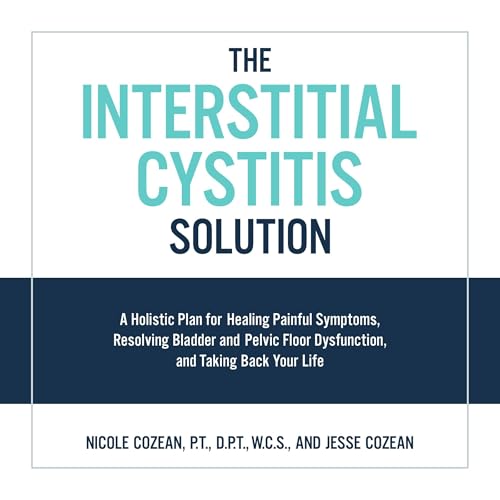
The Interstitial Cystitis Solution: A Holistic Plan for Healing Painful Symptoms, Resolving Bladder and Pelvic Floor Dysfunction, and Taking Back Your Life: Cozean, Nicole, Cozean, Jesse
The Interstitial Cystitis Solution has all the information you need, all in one place. It <strong>provides scientific reviews and evaluations of potential treatments, along with a helpful treatment pl

Prelief Acid Reducer Caplets Dietary Supplement, 60 Count
Active Ingredients: Calcium Glycerophosphate Inactive Ingredients: Magnesium Stearate · Take right as you eat. Take 2 caplets with each meal, snack or beverage. You can take more if needed. For best r
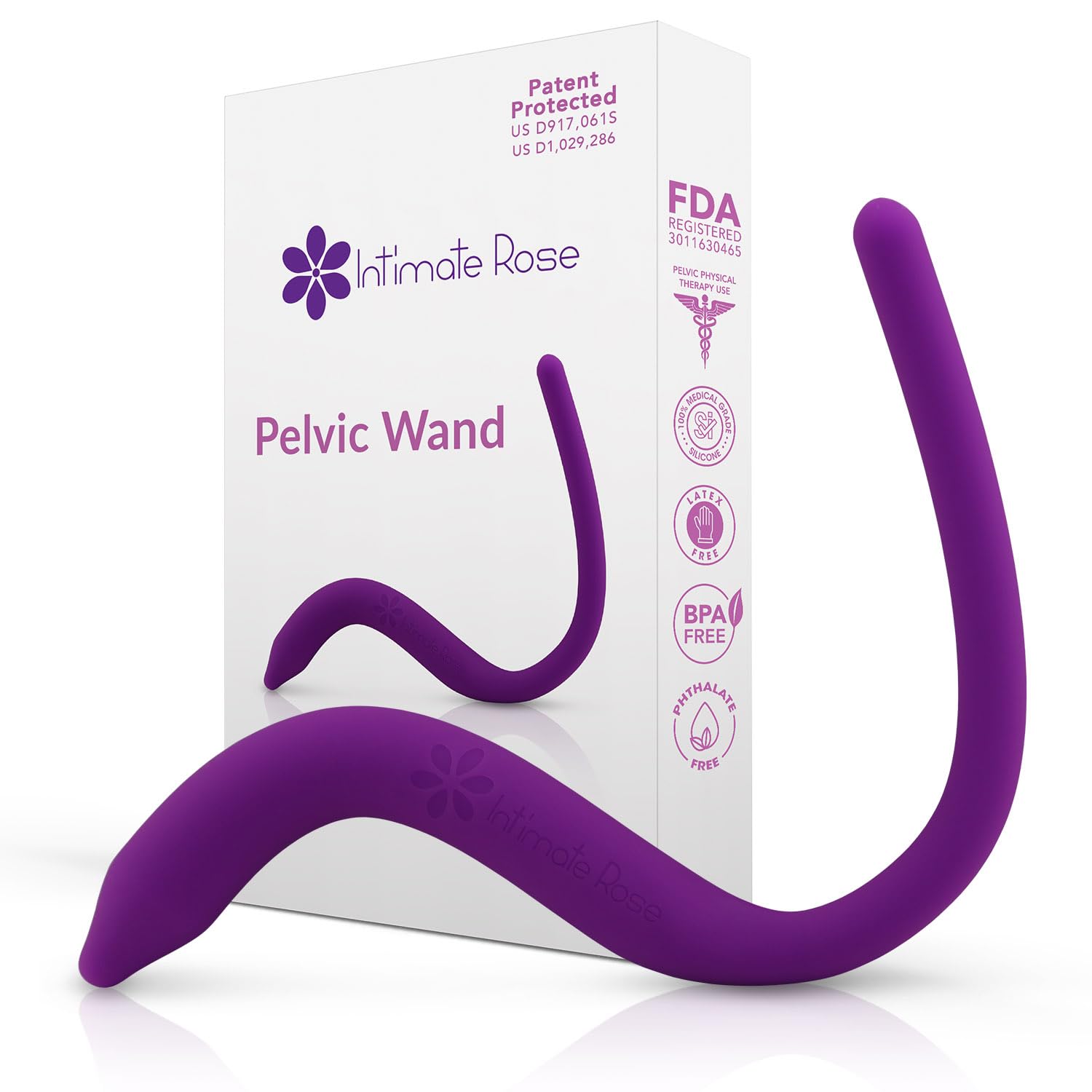
Intimate Rose Pelvic Wand, Pelvic Floor Muscle Trigger Point Massager, Perineal Massage Tool for Pelvic Physical Therapy & Pain Relief, BPA-Free, Latex-Free, Standard (Non-Vibration)
IntimateRose Vibrating Pelvic Wand, Pelvic Floor Muscle Trigger Point Massager, Perineal Massage Tool for Pelvic Physical Therapy & Pain Relief, BPA-Free, Latex-Free (Vibration)
Evidence & Sources
Promising research with growing clinical support from multiple studies
- American Urological Association (AUA) Guideline on Diagnosis and Treatment of Interstitial Cystitis/Bladder Pain Syndrome
- National Institute of Diabetes and Digestive and Kidney Diseases (NIDDK)
- National Center for Complementary and Integrative Health (NCCIH)
- European Association of Urology (EAU) Guidelines on Chronic Pelvic Pain
- The Journal of Urology
- Urology
- International Urogynecology Journal
- Nature Reviews Urology
This content is for informational purposes only and does not constitute medical advice. Always consult a qualified healthcare provider before starting, stopping, or changing any supplement or medication regimen.