

Inflammatory Bowel Disease (IBD) — Alternative and Integrative Medicine
Overview
Inflammatory bowel disease (IBD) is a chronic, immune-mediated condition characterized by recurring inflammation of the gastrointestinal tract. The two main forms are Crohn’s disease and ulcerative colitis. Crohn’s disease can affect any part of the digestive tract and often involves deeper layers of the bowel wall, while ulcerative colitis primarily affects the colon and rectum and is usually limited to the mucosal lining. IBD is distinct from irritable bowel syndrome (IBS), which does not involve the same pattern of intestinal inflammation or tissue injury.
IBD has become increasingly common worldwide, with substantial effects on quality of life, nutrition, mental health, work productivity, and long-term digestive health. Symptoms may include abdominal pain, diarrhea, rectal bleeding, urgency, fatigue, weight loss, and periods of remission followed by flare-ups. In some cases, IBD is also associated with manifestations outside the gut, such as joint pain, skin changes, eye inflammation, and liver-related complications. The condition often begins in adolescence or early adulthood, though it can occur at any age.
Current understanding suggests that IBD arises from a complex interaction between genetic susceptibility, immune dysregulation, intestinal barrier dysfunction, microbiome imbalance, and environmental influences. Because of this multifactorial nature, integrative medicine has drawn growing interest as a way to explore supportive strategies beyond standard drug therapy. These may include nutrition-based approaches, mind-body practices, selected supplements, acupuncture, and lifestyle-oriented interventions. Research suggests some complementary therapies may help with symptom burden, stress, fatigue, or quality of life, although evidence is uneven and many interventions remain adjunctive rather than primary treatments.
An important consideration in integrative IBD care is that “natural” does not automatically mean low-risk. Some herbs and supplements may interact with immunosuppressive medications, affect liver function, or complicate disease monitoring. For that reason, major gastrointestinal and integrative medicine organizations generally frame complementary therapies as part of a broader care plan that involves qualified healthcare professionals, especially because uncontrolled inflammation can lead to strictures, fistulas, hospitalization, malnutrition, and increased colorectal cancer risk in some patients.
Western Medicine Perspective
Western / Conventional Medicine Perspective
In conventional medicine, IBD is understood as a chronic inflammatory disorder driven by an abnormal immune response in genetically predisposed individuals. Diagnosis typically involves a combination of clinical history, blood work, stool testing, endoscopy, biopsy, and imaging. A major modern treatment goal is not only symptom relief but also objective control of inflammation, sometimes described as mucosal healing or deep remission. This reflects evidence that symptom severity does not always match the degree of intestinal inflammation.
Standard medical management may include aminosalicylates, corticosteroids, immunomodulators, biologic therapies, and small-molecule drugs, with surgery sometimes required for complications or medically refractory disease. Conventional care also emphasizes nutritional assessment, vaccination review, bone health, anemia monitoring, infection risk management, and screening for complications. Psychological support is increasingly recognized as relevant because anxiety, depression, sleep disruption, and chronic stress can amplify symptom burden and reduce quality of life, even when inflammation is being treated.
From an integrative standpoint, western research has most closely examined dietary modification, enteral nutrition in selected settings, omega-3 fatty acids, curcumin, probiotics in ulcerative colitis or pouch disorders, vitamin D status, stress reduction, and mind-body interventions. Studies indicate that some approaches—particularly curcumin as an adjunct in ulcerative colitis, certain probiotic preparations for specific indications, and structured psychological or mindfulness-based support for coping—may offer benefit in selected patients. However, evidence is mixed for many supplements, and results often vary by disease subtype, activity level, formulation, and study quality.
A common theme in conventional gastroenterology is caution against replacing evidence-based anti-inflammatory treatment with alternative therapies alone. Delayed control of intestinal inflammation can increase the risk of hospitalization, surgery, and long-term complications. Accordingly, integrative strategies are generally viewed as potential adjuncts for symptom management, resilience, and whole-person care, rather than stand-alone substitutes for medical evaluation and disease monitoring.
Eastern & Traditional Perspective
Eastern / Traditional Medicine Perspective
In Traditional Chinese Medicine (TCM), IBD-like patterns are not defined by the same biomedical categories as Crohn’s disease or ulcerative colitis, but symptoms may be interpreted through frameworks involving damp-heat in the intestines, spleen qi deficiency, liver-spleen disharmony, or kidney deficiency, depending on the presentation and chronicity. TCM approaches have traditionally included individualized herbal formulas, acupuncture, moxibustion, and dietary patterning. Within this system, treatment is generally aimed at restoring balance, supporting digestion, regulating bowel function, and calming systemic reactivity rather than targeting intestinal inflammation in the biomedical sense.
Research on acupuncture and Chinese herbal medicine in IBD is growing but remains methodologically mixed. Some studies suggest acupuncture may improve symptom scores, stress, or quality of life, and certain herbal formulas have been investigated as adjunctive therapies, particularly in ulcerative colitis. However, heterogeneity in trial design, formula composition, blinding, and outcome measures limits firm conclusions. Safety is also an important consideration, especially with complex herbal preparations that may vary in quality or interact with prescription therapies.
In Ayurveda, chronic digestive inflammation may be understood in terms of imbalance in agni (digestive fire), ama (metabolic waste or toxic residue), and doshic disturbance, especially involving pitta and vata patterns. Traditional approaches may include individualized dietary regulation, herbal preparations, stress management, oil therapies, and routines intended to support digestion and systemic balance. Naturopathic and functional frameworks similarly often emphasize the gut barrier, food sensitivities, microbiome ecology, nutrient repletion, and stress physiology.
Across eastern and traditional systems, an integrative view often places strong emphasis on diet, daily rhythms, stress modulation, and constitutional individuality. These perspectives may be meaningful to patients seeking a broader understanding of chronic illness. At the same time, responsible integrative care generally acknowledges that severe IBD flares, bleeding, dehydration, significant weight loss, and complications require prompt medical assessment, and that traditional therapies are best considered within coordinated care rather than in isolation.
Supplements & Products
Recommended Products

Integrative Gastroenterology: Mullin, Gerard
Gerard E. Mullin is <strong>Associate Professor of Medicine, Director of Integrative GI Nutrition Services, and Director of Capsule Endoscopy for the Gastroenterology Division at the Johns Hopkins Hos

Visbiome® GI Care - High Potency Probiotic - 112.5 Billion CFU Live Probiotics, Original De Simone Formulation, Made in USA, 120 Capsules.
POWERFUL PROBIOTIC BLEND: <strong>Contains 8 clinically-tested strains with a potent 112.5 billion CFU per capsule</strong>. Designed for optimal gut health in both men and women. PROVEN EFFICACY: Boa
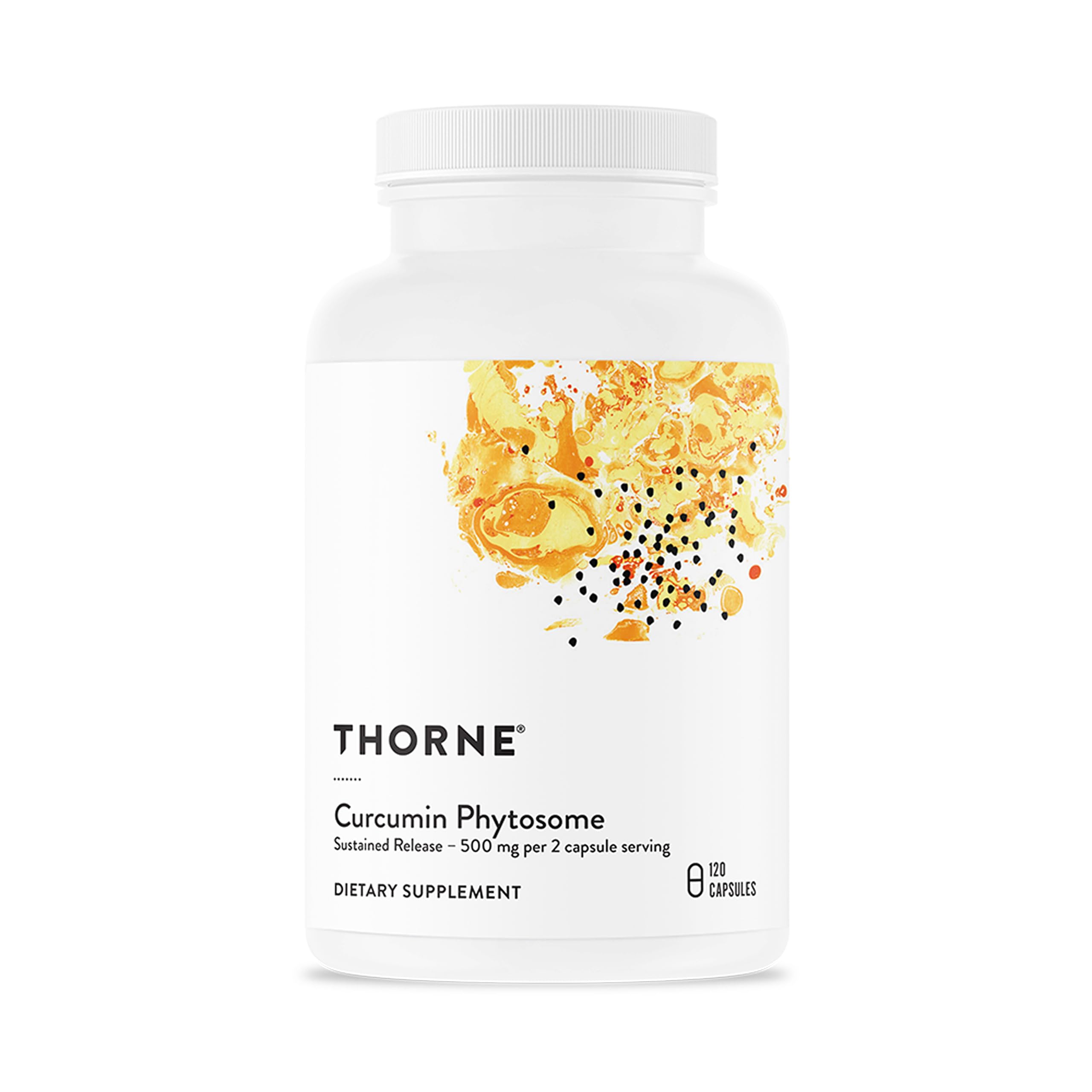
THORNE - Curcumin Phytosome 500 mg (Meriva) - Sustained Release, Clinically Studied - Supports Healthy Inflammatory Response in Joints, Muscles, GI Tract, Liver, Brain & Nerves* - 60 Servings
Buy THORNE - Curcumin Phytosome 500 mg (Meriva) - Sustained Release, Clinically Studied - <strong>Supports Healthy Inflammatory Response in Joints, Muscles, GI Tract, Liver, Brain & Nerves</strong
Evidence & Sources
Promising research with growing clinical support from multiple studies
- American Gastroenterological Association (AGA)
- European Crohn’s and Colitis Organisation (ECCO)
- National Center for Complementary and Integrative Health (NCCIH)
- National Institute of Diabetes and Digestive and Kidney Diseases (NIDDK)
- Crohn’s & Colitis Foundation
- The Lancet
- Gastroenterology
- Inflammatory Bowel Diseases
- Cochrane Database of Systematic Reviews
- World Journal of Gastroenterology
This content is for informational purposes only and does not constitute medical advice. Always consult a qualified healthcare provider before starting, stopping, or changing any supplement or medication regimen.