

Inflammation
Also known as: Swelling, Redness
Overview
Inflammation is a fundamental biological response that helps the body react to infection, injury, toxins, and other perceived threats. In the short term, this process is protective: immune cells, chemical messengers, and changes in blood flow work together to contain damage and support healing. Classic signs of acute inflammation include redness, heat, swelling, pain, and temporary loss of function. In this sense, inflammation is not inherently harmful; it is a normal part of immune defense and tissue repair.
The topic becomes more complex when inflammation is persistent, dysregulated, or low-grade over time. Chronic inflammation has been associated with a wide range of conditions, including cardiovascular disease, type 2 diabetes, autoimmune disorders, inflammatory bowel disease, arthritis, neurodegenerative disease, and some cancers. Research also explores links between long-term inflammatory signaling and factors such as stress, poor sleep, environmental exposures, excess adiposity, smoking, sedentary behavior, and dietary patterns. Because these influences span many body systems, inflammation is often discussed as a cross-cutting mechanism rather than a single disease.
Modern health research commonly measures inflammation through biomarkers such as C-reactive protein (CRP), erythrocyte sedimentation rate (ESR), and cytokines including interleukin-6 (IL-6) and tumor necrosis factor-alpha (TNF-α). These markers can provide clues, but they do not tell the whole story on their own. Inflammation may be localized or systemic, obvious or silent, and its meaning depends heavily on clinical context. For that reason, interpretation typically involves the broader picture of symptoms, medical history, imaging, physical examination, and underlying diagnoses.
In integrative health, inflammation is often viewed as an area where lifestyle, conventional care, and traditional practices intersect. Nutritional patterns, movement, stress regulation, sleep quality, and selected mind-body or traditional approaches are commonly studied for their potential influence on inflammatory pathways. At the same time, persistent inflammation can signal serious underlying illness, so balanced discussion usually includes the importance of appropriate medical evaluation rather than treating inflammation as a stand-alone problem.
Medical Perspectives
Two Ways of Seeing Health

Western
scientific · clinical
Western medicine applies science, technology, and clinical experience to treat symptoms through testing, diagnosis, and targeted intervention.

Eastern
traditional · alternative
Eastern medicine focuses on treating the body naturally by applying traditional knowledge practiced for thousands of years, emphasizing balance and whole-person wellness.
Gold Bamboo presents both perspectives side-by-side so you can make informed decisions. We don't advocate for one over the other — your health choices are yours.
Western Medicine Perspective
Western Medicine Perspective
In conventional medicine, inflammation is understood as a complex immune and vascular response involving innate and adaptive immune pathways. When tissues are injured or exposed to pathogens, the body releases signaling molecules such as prostaglandins, histamine, cytokines, and chemokines. These help recruit immune cells, increase blood flow, and coordinate repair. Acute inflammation is generally considered beneficial and self-limited, while chronic inflammation may reflect ongoing immune activation, unresolved injury, autoimmune activity, metabolic dysfunction, or persistent exposure to irritants.
Clinical evaluation focuses on identifying the cause, location, duration, and consequences of the inflammatory process. Physicians may assess symptoms, physical findings, blood markers, imaging studies, and organ-specific testing depending on the situation. Inflammation is not treated as a single uniform entity; management in conventional care depends on the underlying condition. For example, inflammatory arthritis, asthma, inflammatory bowel disease, infection-related inflammation, and vascular inflammation are approached differently. Pharmacologic strategies may include anti-inflammatory drugs, immune-modulating therapies, or disease-specific treatment, but these are selected according to diagnosis rather than inflammation alone.
Western research also examines the role of lifestyle-related inflammation, especially in cardiometabolic disease. Studies suggest that dietary quality, exercise, sleep, stress burden, alcohol use, and smoking status may influence inflammatory markers and immune regulation. Obesity in particular is often described as a state of chronic low-grade inflammation because adipose tissue can produce inflammatory mediators. Even so, conventional medicine generally avoids reducing all chronic disease to inflammation alone; it is seen as one important mechanism among many.
Eastern & Traditional Perspective
Eastern and Traditional Medicine Perspective
In Traditional Chinese Medicine (TCM), inflammation is not defined by a single biomarker-based category. Instead, symptoms commonly associated with inflammation may be understood through patterns such as Heat, Toxic Heat, Damp-Heat, Blood Stasis, or Yin deficiency with empty heat, depending on the presentation. Redness, swelling, warmth, irritability, restlessness, painful obstruction, digestive disturbance, or skin eruptions may be interpreted differently based on the organ systems and pattern relationships involved. TCM frameworks emphasize restoring balance rather than targeting inflammation as an isolated process.
Traditional East Asian approaches may explore inflammation-related presentations through herbal medicine, acupuncture, dietary therapy, and regulation of sleep, stress, and movement. Research into acupuncture and certain multi-herb formulas suggests possible effects on inflammatory mediators, pain perception, and autonomic balance, though quality and consistency of evidence vary by condition. In classical theory, the goal is often to clear excess, move stagnation, nourish deficiency, and support the body's capacity to recover equilibrium.
In Ayurveda, inflammatory states may be discussed in terms of imbalance involving Pitta, accumulation of ama (often described as metabolic residue or undigested material in traditional language), and disruption of tissue metabolism and digestion. Symptoms such as heat, burning, redness, irritability, and inflammatory skin or digestive complaints may be interpreted through these lenses. Ayurvedic care traditionally considers constitution, digestion, seasonal influences, and mind-body balance when assessing chronic inflammatory tendencies.
Other traditional and naturopathic systems often frame inflammation as a sign of systemic imbalance influenced by diet, environment, stress, and resilience. These systems frequently emphasize whole-person care, including restorative routines, plant-based materia medica, and support for digestive and nervous system regulation. While some individual herbs and practices have promising mechanistic or clinical data, many traditional frameworks remain only partially mapped onto modern inflammatory science. Integrative discussions typically note that chronic or unexplained inflammation warrants evaluation by qualified healthcare professionals, particularly when symptoms are severe, persistent, or associated with organ-specific disease.
Supplements & Products
Recommended Products

The Inflammation Spectrum: Find Your Food Triggers and Reset Your System eBook : Cole, Dr. Will : Kindle Store
With this book you'll not only learn how inflammation impacts your health but you'll also discover the specific foods your body loves and hates to start healing your health problems—no guess
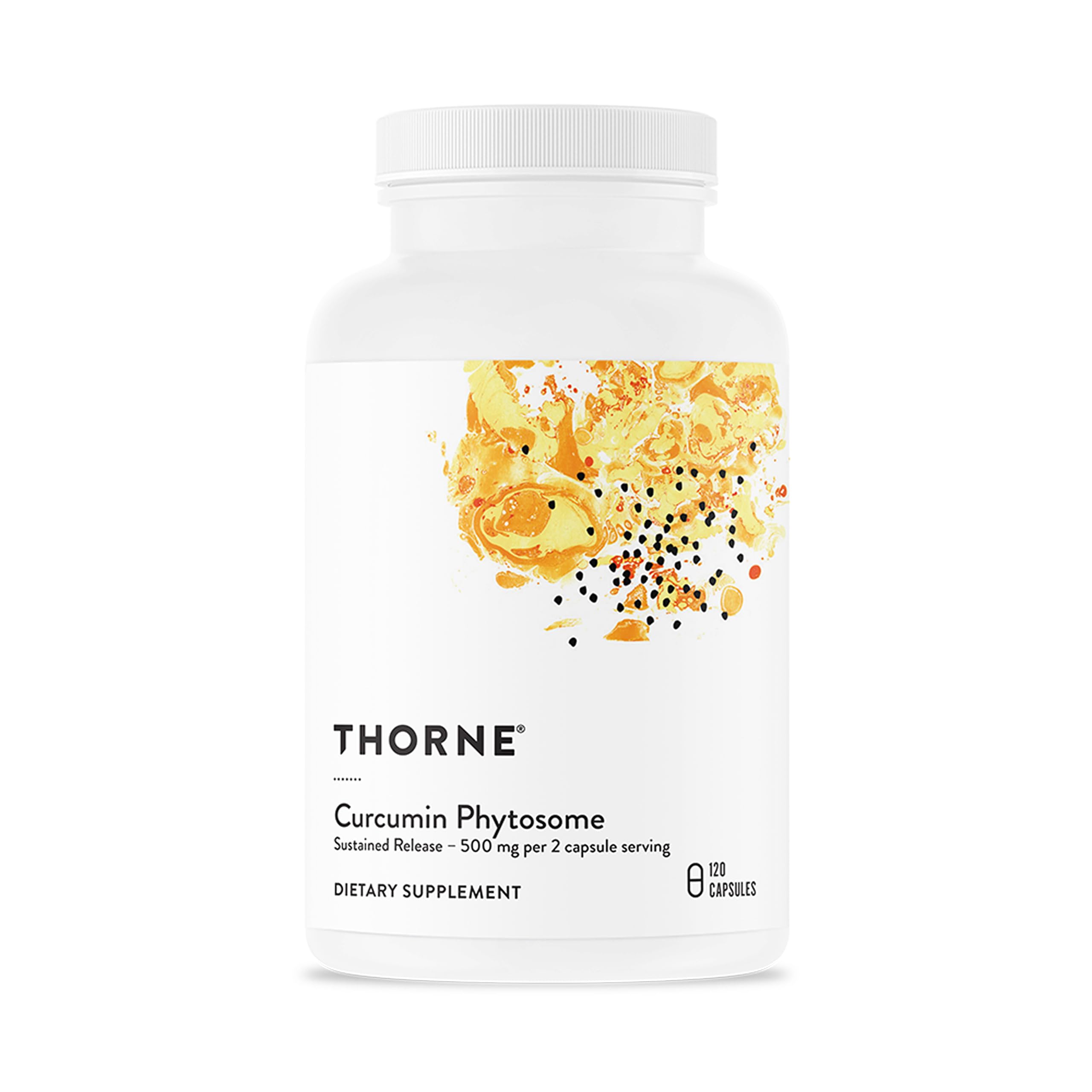
THORNE - Curcumin Phytosome 500 mg (Meriva) - Sustained Release, Clinically Studied - Supports Healthy Inflammatory Response in Joints, Muscles, GI Tract, Liver, Brain & Nerves* - 60 Servings
Buy THORNE - Curcumin Phytosome 500 mg (Meriva) - Sustained Release, Clinically Studied - <strong>Supports Healthy Inflammatory Response in Joints, Muscles, GI Tract, Liver, Brain & Nerves</strong

Nordic Naturals Ultimate Omega, Lemon Flavor - 90 Soft Gels - 1280 mg Omega-3 - High-Potency Omega-3 Fish Oil Supplement with EPA & DHA - Promotes Brain & Heart Health - Non-GMO - 45 Servings
Buy Nordic Naturals Ultimate Omega, Lemon Flavor - 90 Soft Gels - 1280 mg Omega-3 - High-Potency Omega-3 Fish Oil Supplement with EPA & DHA - Promotes Brain & Heart Health - Non-GMO - 45 Servi
Evidence & Sources
Supported by multiple clinical trials and systematic reviews
- Nature
- The Lancet
- New England Journal of Medicine
- Journal of Clinical Investigation
- National Institutes of Health (NIH)
- National Center for Complementary and Integrative Health (NCCIH)
- World Health Organization (WHO)
- Cell
This content is for informational purposes only and does not constitute medical advice. Always consult a qualified healthcare provider before starting, stopping, or changing any supplement or medication regimen.