

Hypoglycemia
Also known as: Low Blood Sugar
Overview
Hypoglycemia refers to a state in which blood glucose falls below the range needed to adequately supply the brain and other tissues. In clinical settings, the term is most often used when low blood sugar is accompanied by symptoms such as shakiness, sweating, palpitations, hunger, confusion, irritability, or—in more severe cases—seizures and loss of consciousness. It is most commonly discussed in people with diabetes, particularly those using insulin or certain glucose-lowering medications, but it can also occur in people without diabetes under specific circumstances, including prolonged fasting, critical illness, alcohol use, hormonal disorders, or rare insulin-secreting tumors.
From a physiological perspective, blood sugar is normally kept within a narrow range through coordinated actions of insulin, glucagon, stress hormones, liver glycogen breakdown, and glucose production. Hypoglycemia develops when glucose use exceeds glucose availability or when counterregulatory systems fail to respond appropriately. Clinicians often distinguish between fasting hypoglycemia, postprandial (reactive) hypoglycemia, and medication-related hypoglycemia, because the underlying mechanisms and evaluation differ. In diabetes care, recurrent episodes are particularly significant because they may lead to hypoglycemia unawareness, a condition in which warning symptoms become blunted.
The significance of hypoglycemia extends beyond temporary discomfort. Severe or repeated episodes can affect cognition, driving safety, work performance, sleep quality, and overall quality of life. In vulnerable populations—such as older adults, children, pregnant individuals with diabetes, and people with kidney or liver disease—the risks may be greater. Research also suggests that recurrent hypoglycemia may influence cardiovascular stress responses and can complicate efforts to achieve tight glucose control. For this reason, modern management increasingly emphasizes both glucose lowering and hypoglycemia prevention.
Integrative discussions of hypoglycemia often focus on dietary patterns, meal timing, carbohydrate quality, stress regulation, and individualized metabolic assessment. While nutrition and lifestyle approaches are commonly explored, the condition is not a single entity, and self-treatment without proper evaluation may overlook important causes. Because symptoms of low blood sugar can overlap with anxiety, dehydration, or other medical conditions, formal assessment by a qualified healthcare professional is important, especially when episodes are recurrent, severe, or unexplained.
Medical Perspectives
Two Ways of Seeing Health

Western
scientific · clinical
Western medicine applies science, technology, and clinical experience to treat symptoms through testing, diagnosis, and targeted intervention.

Eastern
traditional · alternative
Eastern medicine focuses on treating the body naturally by applying traditional knowledge practiced for thousands of years, emphasizing balance and whole-person wellness.
Gold Bamboo presents both perspectives side-by-side so you can make informed decisions. We don't advocate for one over the other — your health choices are yours.
Western Medicine Perspective
Western Medicine Perspective
In conventional medicine, hypoglycemia is understood as a biochemical and clinical syndrome rather than a standalone diagnosis. A widely used framework is Whipple’s triad: symptoms consistent with hypoglycemia, a documented low plasma glucose level, and improvement when glucose is corrected. In people with diabetes, the condition is frequently linked to insulin therapy, sulfonylureas, missed meals, increased physical activity, alcohol intake, or impaired kidney function. In people without diabetes, evaluation may consider endocrine disorders such as adrenal insufficiency, severe liver disease, critical illness, bariatric surgery-related changes, or rarely, insulinoma and other causes of endogenous hyperinsulinism.
Conventional assessment often includes review of medications, meal patterns, timing of symptoms, laboratory glucose documentation, and comorbid conditions. In some cases, clinicians use continuous glucose monitoring, supervised fasting studies, or mixed-meal testing to clarify whether symptoms truly correspond to low glucose. Management depends on cause: in diabetes care, strategies may include adjusting medications, reviewing carbohydrate intake and exercise patterns, and reducing risk factors for recurrent episodes; in non-diabetic hypoglycemia, investigation focuses on identifying the underlying disorder. Severe hypoglycemia is considered a medical emergency.
From a nutrition standpoint, western medicine commonly examines how meal composition and glycemic variability influence symptoms, especially in suspected reactive hypoglycemia. Studies suggest that balanced meals containing fiber, protein, and fat may help moderate rapid swings in blood glucose in some individuals, though the evidence is stronger for general glycemic control than for all forms of hypoglycemia specifically. Importantly, conventional medicine distinguishes evidence-based dietary management from unsupported claims; persistent symptoms warrant medical evaluation rather than assumptions about “blood sugar crashes” alone.
Eastern & Traditional Perspective
Eastern and Traditional Medicine Perspective
Traditional medical systems generally do not define hypoglycemia by modern laboratory glucose thresholds, but they often describe symptom patterns that overlap with low blood sugar states—such as weakness, tremulousness, dizziness, sweating, fatigue, palpitations, poor concentration, and sudden depletion. In Traditional Chinese Medicine (TCM), these presentations may be interpreted through pattern-based frameworks involving Spleen Qi deficiency, Qi and Blood deficiency, or disharmony affecting the body’s ability to transform food into usable energy. Episodes associated with irritability, shakiness, or stress may also be discussed in terms of Liver Qi dysregulation superimposed on constitutional deficiency.
In Ayurveda, similar symptom clusters may be understood through disturbances in agni (digestive/metabolic fire), unstable energy regulation, or depletion states associated with irregular eating, overexertion, and nervous system imbalance. Some practitioners may frame recurring weakness or sudden hunger as reflecting fluctuations in doshic balance, especially when digestion, sleep, and stress resilience are impaired. Naturopathic and functional traditions often place emphasis on meal regularity, whole-food dietary patterns, stress load, and individualized metabolic tolerance, while also acknowledging the importance of ruling out medication effects and endocrine causes.
Traditional approaches frequently emphasize rhythm and nourishment: regular meals, less reliance on highly refined sugars, attention to digestive strength, and support for resilience under physical or emotional stress. Herbal formulas and food-based tonics have been traditionally used in TCM and Ayurveda for constitutional weakness or recovery from depletion, but modern evidence for these approaches in clinically confirmed hypoglycemia remains limited and variable. As a result, integrative care generally views traditional frameworks as complementary interpretive models rather than replacements for medical assessment—particularly when symptoms are severe, recurrent, or potentially related to diabetes treatment.
Supplements & Products
Recommended Products
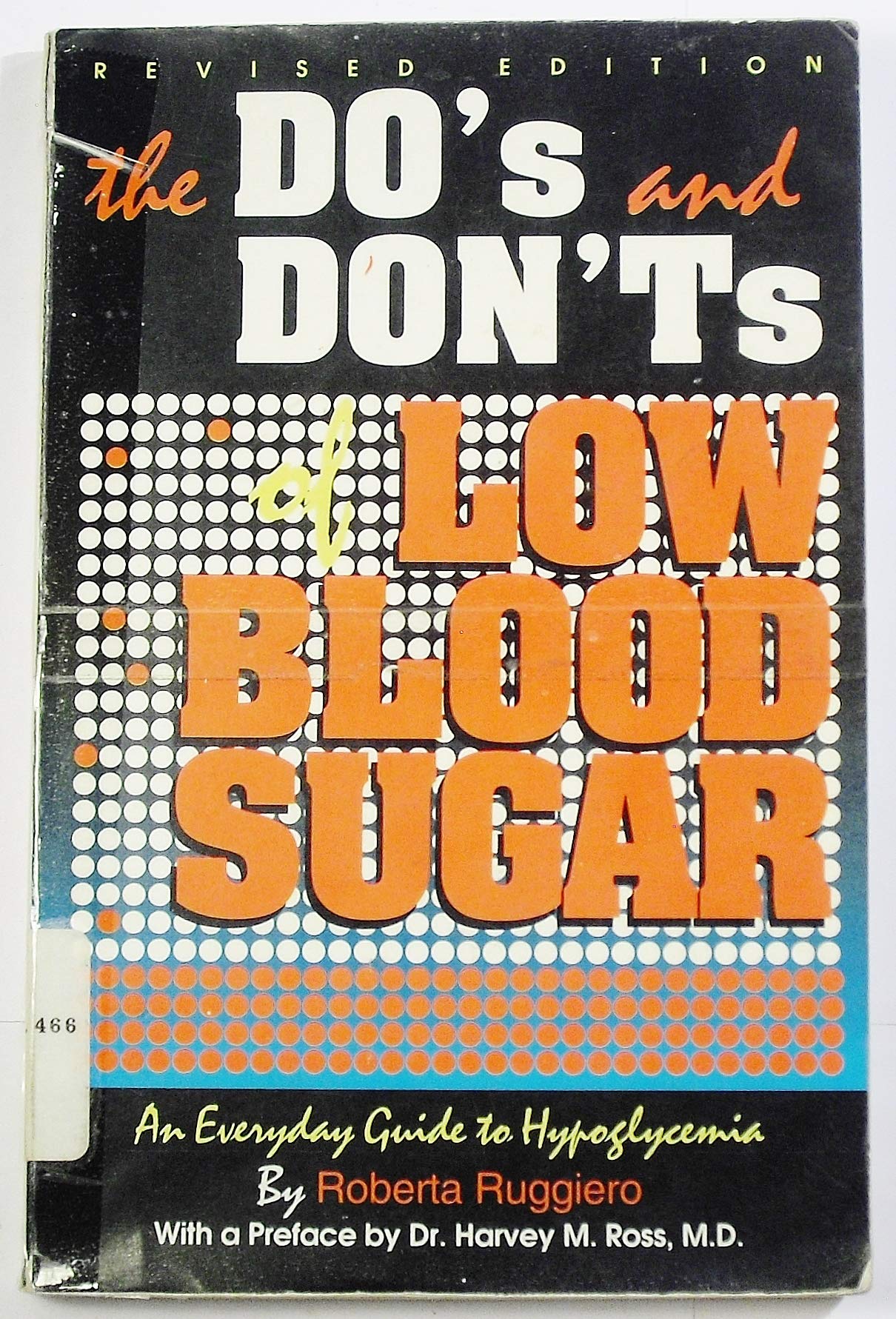
The Do's and Don'ts of Low Blood Sugar: An Everyday Guide to Hypoglycemia: Ruggiero, Roberta
Ruggiero, <strong>founder of the Hypoglycemia Research Foundation, has written this book for people who are in the early stages of hypoglycemia and need introductory-level information</strong>. Ruggie

Dex4 Glucose Tablets, Fast Acting Glucose, 4g Pre-Measured Glucose per Tablet, Fat-Free, Gluten-Free, Grape, 50 Count Bottle
Specially Formulated: Fat-free, ... Choose from a wide range of mouthwatering flavors including <strong>grape, strawberry, raspberry, watermelon, assorted fruit, and orange</strong>....

CONTOUR NEXT ONE Blood Glucose Monitoring System All-in-One Kit for Diabetes
KIT INCLUDES: The CONTOUR NEXT ONE blood glucose meter, <strong>20 contour next test strips</strong>, user guide and quick reference guide, microlet lancing device, 10 microlet colored lancets, logboo
Evidence & Sources
Promising research with growing clinical support from multiple studies
- American Diabetes Association Standards of Care
- Endocrine Society Clinical Practice Guideline on Adult Hypoglycemic Disorders
- National Institute of Diabetes and Digestive and Kidney Diseases (NIDDK)
- National Institute of Diabetes and Digestive and Kidney Diseases: Hypoglycemia
- National Center for Complementary and Integrative Health (NCCIH)
- The Journal of Clinical Endocrinology & Metabolism
- Diabetes Care
- BMJ
This content is for informational purposes only and does not constitute medical advice. Always consult a qualified healthcare provider before starting, stopping, or changing any supplement or medication regimen.