

Hypoadrenalism
Also known as: Adrenal Insufficiency
Overview
Hypoadrenalism refers to a state in which the adrenal glands do not produce adequate amounts of one or more adrenal hormones, most importantly cortisol and, in some cases, aldosterone. In conventional medicine, the most recognized forms are primary adrenal insufficiency (often called Addison's disease), in which the adrenal glands themselves are damaged, and secondary or tertiary adrenal insufficiency, in which signaling from the pituitary gland or hypothalamus is impaired. Because adrenal hormones help regulate blood pressure, fluid balance, metabolism, immune activity, and the body's stress response, inadequate production can affect many organ systems and range from subtle chronic symptoms to life-threatening adrenal crisis.
Common features associated with clinically recognized adrenal insufficiency include fatigue, weakness, weight loss, low blood pressure, dizziness, nausea, abdominal discomfort, salt craving, and low stress tolerance. Primary adrenal insufficiency may also involve hyperpigmentation and more pronounced electrolyte abnormalities due to aldosterone deficiency. Causes include autoimmune adrenalitis, infections, genetic disorders, adrenal hemorrhage, infiltrative diseases, and suppression of the hypothalamic-pituitary-adrenal axis after prolonged corticosteroid exposure. While true adrenal insufficiency is a medically established endocrine disorder, the broader wellness term "adrenal fatigue" is not generally accepted as a formal diagnosis in mainstream endocrinology.
The topic carries particular significance in integrative health because persistent tiredness, burnout-like symptoms, and stress-related complaints are often attributed in popular discourse to reduced adrenal function. Research and clinical guidelines distinguish carefully between documented adrenal hormone deficiency, which can be objectively evaluated with laboratory testing, and nonspecific symptom patterns that may have many possible causes, including sleep disorders, depression, anemia, thyroid disease, chronic infection, medication effects, and overtraining. This distinction is central to balanced education on hypoadrenal states.
From an integrative perspective, adrenal health is often discussed in relation to stress adaptation, circadian rhythm, nutrition, inflammation, and nervous system regulation. Traditional systems do not describe the adrenal glands in the same biomedical terms, but they have long recognized symptom clusters involving depleted vitality, poor resilience, coldness, exhaustion, or collapse after chronic illness. A comprehensive understanding therefore benefits from both modern endocrinology and traditional frameworks, while recognizing that severe or suspected adrenal hormone deficiency warrants formal medical evaluation.
Medical Perspectives
Two Ways of Seeing Health

Western
scientific · clinical
Western medicine applies science, technology, and clinical experience to treat symptoms through testing, diagnosis, and targeted intervention.

Eastern
traditional · alternative
Eastern medicine focuses on treating the body naturally by applying traditional knowledge practiced for thousands of years, emphasizing balance and whole-person wellness.
Gold Bamboo presents both perspectives side-by-side so you can make informed decisions. We don't advocate for one over the other — your health choices are yours.
Western Medicine Perspective
Western Medicine Perspective
In conventional medicine, adrenal insufficiency is a clearly defined endocrine disorder diagnosed through a combination of clinical history, physical findings, and hormone testing. Key laboratory assessment often includes morning serum cortisol, adrenocorticotropic hormone (ACTH), electrolyte evaluation, and in many cases an ACTH stimulation test. Additional testing may assess renin and aldosterone, adrenal antibodies, pituitary function, or imaging of the adrenal glands or pituitary when indicated. Western medicine places strong emphasis on distinguishing primary adrenal failure from central causes because the underlying mechanisms, associated risks, and long-term management considerations differ.
From a pathophysiologic standpoint, inadequate cortisol production impairs the body's ability to maintain glucose regulation, vascular tone, immune modulation, and adaptive stress responses. When aldosterone is also deficient, the body may struggle to retain sodium and maintain blood volume, contributing to hypotension, dehydration, hyponatremia, and hyperkalemia. In severe cases, especially during illness, surgery, trauma, or abrupt withdrawal of chronic steroid therapy, an adrenal crisis may occur. This is considered a medical emergency because it can lead to shock, severe electrolyte disturbance, and altered mental status.
Conventional medicine does not generally recognize "adrenal fatigue" as an evidence-based diagnosis. Reviews have found insufficient high-quality evidence that nonspecific fatigue syndromes are caused by a distinct syndrome of mild adrenal underperformance in otherwise undiagnosed individuals. Instead, standard care encourages evaluation for established endocrine disease and for other common causes of fatigue or stress intolerance. In this framework, the greatest clinical priority is identifying patients with true adrenal insufficiency and avoiding delayed diagnosis, particularly because the condition can be serious but is often initially nonspecific.
Eastern & Traditional Perspective
Eastern/Traditional Medicine Perspective
In Traditional Chinese Medicine (TCM), there is no exact one-to-one diagnosis for hypoadrenalism, but symptom patterns may be understood through concepts such as Kidney deficiency, especially Kidney Yang deficiency or Kidney Essence depletion, sometimes combined with Spleen Qi deficiency. Fatigue, cold intolerance, low back weakness, dizziness, reduced stamina, low libido, and poor recovery after stress may be viewed as signs of depleted constitutional energy and weakened adaptive reserve. TCM discussions often place emphasis on the long-term effects of chronic illness, overwork, emotional strain, and irregular living patterns on the body's foundational vitality.
In Ayurveda, comparable presentations are sometimes interpreted through patterns of ojas depletion, vata aggravation, or weakened metabolic and tissue resilience. People with exhaustion, burnout, weight loss, nervous system dysregulation, or poor stress adaptation may be seen as having diminished reserves after prolonged strain. Traditional Ayurvedic thinking often connects these states with disrupted daily rhythm, inadequate nourishment, excessive exertion, and impaired restoration. Similar themes appear in naturopathic and other traditional systems, where attention is often given to sleep quality, circadian balance, digestive function, restorative practices, and gentle tonic support.
Traditional and integrative practitioners may discuss herbs, mind-body approaches, and dietary strategies in relation to energy restoration and stress resilience. However, the evidence base is mixed and these approaches are not substitutes for diagnosis of true adrenal insufficiency, which requires biomedical assessment. A balanced integrative view recognizes that traditional frameworks may offer useful ways of understanding chronic depletion and recovery, while also acknowledging that confirmed adrenal hormone deficiency is a serious endocrine disorder best evaluated in collaboration with qualified healthcare professionals.
Supplements & Products
Recommended Products

Living With Addison's Disease: A Guide For People With Addison's, Supporters and Professionals
This ground-breaking book <strong>provides practical, evidence-based health advice for people affected by Addison's Disease</strong>, a rare endocrine disorder in which the adrenal glands do not
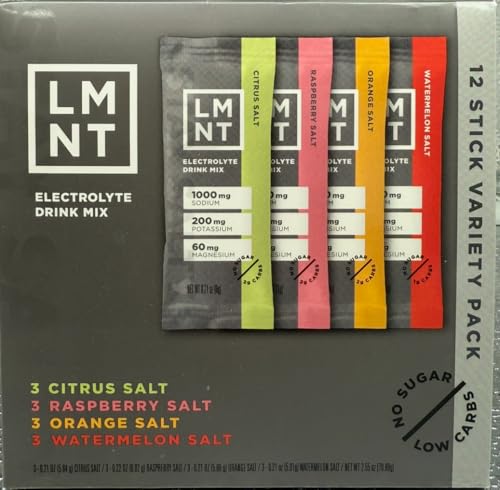
LMNT Zero Sugar Electrolytes - Variety Pack | Drink Mix | 12-Count
Amazon.com: LMNT Zero Sugar Electrolytes - Variety Pack | Drink Mix | 12-Count : Health & Household
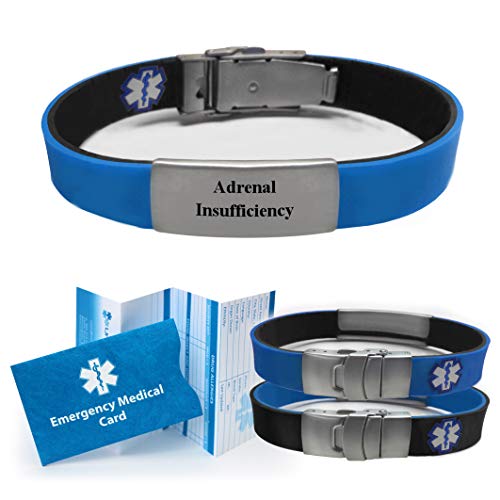
Medical Alert ID Bracelet Adrenal Insufficiency for Men and Women - Silicone ID Wristband - Choose Color and Adjustable Size 5.75" - 9.25" (Orange)
Welcoming our new fully waterproof Adrenal Insufficiency Medical Alert ID Bracelet! Your pre-engraved message will be attention-getting in any emergency with the use of our bold high contrast black le
Evidence & Sources
Promising research with growing clinical support from multiple studies
- Endocrine Society Clinical Practice Guideline: Diagnosis and Treatment of Primary Adrenal Insufficiency
- National Institute of Diabetes and Digestive and Kidney Diseases (NIDDK)
- National Organization for Rare Disorders (NORD)
- StatPearls: Adrenal Insufficiency
- BMC Endocrine Disorders
- NCCIH (National Center for Complementary and Integrative Health)
- World Health Organization (WHO) Traditional Medicine resources
This content is for informational purposes only and does not constitute medical advice. Always consult a qualified healthcare provider before starting, stopping, or changing any supplement or medication regimen.