

Hypertension (High Blood Pressure)
Overview
Hypertension, commonly called high blood pressure, is a chronic condition in which the force of blood against artery walls remains elevated over time. Because it often develops without obvious symptoms, it is frequently described as a "silent" cardiovascular risk factor. Persistent elevation in blood pressure is associated with increased strain on the heart, blood vessels, kidneys, brain, and eyes, and over years it can contribute to heart attack, stroke, heart failure, chronic kidney disease, and other complications.
Blood pressure is typically expressed as systolic over diastolic pressure. Systolic pressure reflects the force in arteries when the heart contracts, while diastolic pressure reflects pressure when the heart relaxes between beats. In conventional care, hypertension is usually identified through repeated blood pressure measurements taken in a clinical setting, at home, or with ambulatory monitoring. The condition may be classified into stages depending on the level of elevation, and risk is often interpreted alongside age, overall cardiovascular profile, diabetes status, kidney function, and other factors.
Hypertension is highly prevalent worldwide and is considered one of the leading modifiable contributors to cardiovascular disease. Public health research indicates that many people with elevated blood pressure are either unaware of it or do not have sustained control over time. Risk is shaped by a combination of genetics, aging, diet, physical inactivity, stress, sleep disorders, alcohol intake, tobacco exposure, obesity, metabolic disease, and socioeconomic factors. Some cases are primary (essential) hypertension, meaning no single direct cause is identified, while a smaller proportion are secondary hypertension, related to kidney disease, endocrine disorders, medications, pregnancy-related conditions, or other identifiable causes.
From an integrative health perspective, hypertension is often viewed as both a measurable vascular condition and a reflection of broader physiologic imbalance. Conventional medicine emphasizes cardiovascular risk reduction and organ protection, while traditional systems may interpret high blood pressure through patterns involving stress reactivity, circulation, inflammation, constitution, diet, and lifestyle imbalance. Across systems, there is broad agreement that hypertension deserves careful evaluation by qualified healthcare professionals because it can remain silent while still affecting long-term health.
Western Medicine Perspective
Western Medicine Perspective
In conventional medicine, hypertension is understood as a disorder of vascular resistance, cardiac output, neurohormonal regulation, kidney function, and arterial remodeling. Major biologic pathways include activation of the renin-angiotensin-aldosterone system (RAAS), sympathetic nervous system overactivity, impaired sodium handling, endothelial dysfunction, inflammation, and progressive stiffening of blood vessels. These mechanisms can interact with inherited susceptibility and environmental influences, which helps explain why hypertension often develops gradually and becomes more common with age.
Clinical evaluation generally focuses on confirming elevated blood pressure with repeated readings, identifying possible secondary causes, and assessing target-organ effects and overall cardiovascular risk. This may include review of family history, medication use, kidney function, metabolic markers, and related conditions such as diabetes, sleep apnea, or hyperlipidemia. Ambulatory blood pressure monitoring and home monitoring are often used in modern care to distinguish sustained hypertension from white-coat hypertension and masked hypertension.
Conventional management typically centers on lifestyle measures and, when appropriate, antihypertensive medications. Research strongly supports the role of dietary patterns, sodium reduction, weight management, physical activity, alcohol moderation, and smoking cessation in blood pressure control and cardiovascular risk reduction. Multiple medication classes are used in practice, including thiazide diuretics, ACE inhibitors, angiotensin receptor blockers, calcium channel blockers, and beta blockers, selected according to the individual's clinical profile and coexisting conditions. The primary goals are not only lowering blood pressure numbers but also reducing the risk of stroke, heart disease, kidney damage, and premature mortality.
Evidence in this area is extensive, and hypertension is among the most intensively studied chronic conditions in modern medicine. Even so, clinical decisions are individualized, and interpretation of blood pressure values can vary by context, comorbidity, frailty, age, and pregnancy status. Because blood pressure patterns may fluctuate and complications may occur without symptoms, conventional medicine emphasizes regular monitoring and consultation with licensed healthcare professionals.
Eastern & Traditional Perspective
Eastern / Traditional Medicine Perspective
Traditional medical systems do not always define hypertension as a single disease entity in the same way as biomedicine, but many have long described symptom patterns and constitutional states that overlap with elevated blood pressure, such as headache, dizziness, irritability, palpitations, flushing, insomnia, or a sense of upward-rising pressure. In Traditional Chinese Medicine (TCM), presentations associated with hypertension are often interpreted through pattern differentiation rather than a single diagnosis. Common patterns discussed in the literature include Liver yang rising, Liver fire, internal wind, phlegm-damp accumulation, blood stasis, and Kidney yin deficiency. These frameworks are used to understand why two individuals with similar blood pressure readings may be viewed as having different underlying imbalances.
In Ayurveda, elevated blood pressure is often discussed as a functional disturbance involving Vata, Pitta, and the channels carrying blood and circulation, rather than as a classical standalone category in ancient texts. Contemporary Ayurvedic interpretation may relate hypertension to stress dysregulation, excess heat, poor digestion and metabolism, vascular tension, or constitutional imbalance. Naturopathic and holistic traditions often similarly frame hypertension within broader patterns involving stress burden, sleep quality, inflammation, metabolic health, and diet.
Traditional approaches commonly emphasize whole-person assessment, including emotional state, digestion, sleep, constitution, pulse or tongue findings, and daily habits. Modalities historically used in various systems include dietary adjustment, mind-body practices, breathing exercises, meditation, yoga, tai chi, qigong, herbal formulas, and acupuncture. Modern research suggests that some of these supportive practices may help with stress modulation, autonomic balance, and modest blood pressure improvement in selected populations, though study quality varies and results are not uniform.
From an integrative standpoint, eastern and traditional frameworks may offer useful context for understanding the lived experience of hypertension, especially where stress, sleep, and constitutional patterns play a role. However, because hypertension can cause serious complications without obvious symptoms, traditional approaches are generally best understood as part of a broader care conversation with appropriately qualified healthcare providers, particularly when blood pressure is significantly elevated or when prescription therapy is being used.
Supplements & Products
Recommended Products

The DASH Diet Action Plan: Proven to Boost Weight Loss and Improve Health (A DASH Diet Book): Heller, Marla
Unlike any diet before it, DASH, which stands for Dietary Approaches to Stop Hypertension, came out of groundbreaking NIH-funded research. Now, Marla Heller, MS, RD, who was trained by one of the prim
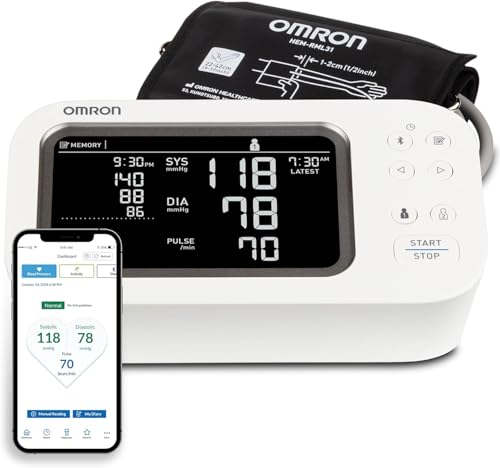
OMRON Platinum Blood Pressure Monitor for Home Use & Upper Arm Blood Pressure Cuff - #1 Doctor & Pharmacist Recommended Brand - Clinically Validated - AFib Detection - Connect App
CONFIDENCE IN EVERY READING: Monitor your heart health with the OMRON Platinum Upper Arm Blood Pressure Monitor's <strong>Advanced Accuracy with AFib Detection Technology</strong>; Store up to 10

Kyolic Aged Garlic Extract Formula 100, Cardiovascular Health*, 300 Capsules.
CARDIOVASCULAR HEALTH: By helping to maintain circulatory function, this formula <strong>supports and strengthens your cardiovascular system and promotes overall heart health</strong>.* Made with orga
Evidence & Sources
Supported by multiple clinical trials and systematic reviews
- World Health Organization (WHO)
- American Heart Association
- 2017 ACC/AHA Guideline for the Prevention, Detection, Evaluation, and Management of High Blood Pressure in Adults
- The Lancet
- Journal of the American College of Cardiology
- Hypertension (American Heart Association journal)
- National Heart, Lung, and Blood Institute (NHLBI)
- National Center for Complementary and Integrative Health (NCCIH)
This content is for informational purposes only and does not constitute medical advice. Always consult a qualified healthcare provider before starting, stopping, or changing any supplement or medication regimen.