

Histamine Intolerance
Also known as: Histamine Sensitivity, DAO Deficiency
Overview
Histamine intolerance is a proposed clinical syndrome in which a person experiences symptoms thought to arise from an imbalance between the body’s histamine load and its ability to break histamine down. Histamine is a naturally occurring biogenic amine involved in immune signaling, stomach acid secretion, wakefulness, and regulation of blood vessels. It is also present in varying amounts in foods, especially those that are aged, fermented, cured, or improperly stored. The term is most often used when symptoms such as flushing, headaches, nasal congestion, itching, hives, abdominal pain, bloating, diarrhea, or palpitations appear to worsen after high-histamine meals.
The topic has gained significant attention in integrative and functional health circles because its symptom pattern overlaps with food intolerance, allergy, irritable bowel syndrome, migraine, chronic urticaria, mast cell disorders, medication side effects, and gastrointestinal conditions. This overlap makes histamine intolerance difficult to define and even harder to diagnose. Unlike classic food allergy, which involves a specific immune mechanism, histamine intolerance is generally described as a non-allergic sensitivity state related to impaired degradation of ingested histamine or increased endogenous histamine activity.
A common proposed mechanism involves reduced activity of diamine oxidase (DAO), one of the main enzymes involved in breaking down histamine in the gut, along with possible contributions from histamine-N-methyltransferase (HNMT), intestinal inflammation, alcohol use, certain medications, and changes in the gut microbiome. Research also explores whether some people produce excess histamine or react more strongly to normal histamine exposures. However, there is still no universally accepted diagnostic test or case definition, and major medical organizations have not fully standardized this condition as a distinct disease entity.
Because of these uncertainties, histamine intolerance is best understood as an emerging and debated clinical concept rather than a settled diagnosis. Current interest centers on the relationship between symptoms, dietary patterns, intestinal barrier function, enzyme activity, and mast-cell-mediated processes. People experiencing persistent symptoms commonly benefit from evaluation by a qualified healthcare professional to help distinguish histamine-related symptoms from other conditions that may require different care.
Medical Perspectives
Two Ways of Seeing Health

Western
scientific · clinical
Western medicine applies science, technology, and clinical experience to treat symptoms through testing, diagnosis, and targeted intervention.

Eastern
traditional · alternative
Eastern medicine focuses on treating the body naturally by applying traditional knowledge practiced for thousands of years, emphasizing balance and whole-person wellness.
Gold Bamboo presents both perspectives side-by-side so you can make informed decisions. We don't advocate for one over the other — your health choices are yours.
Western Medicine Perspective
Western Medicine Perspective
From a conventional medicine standpoint, histamine intolerance is typically approached with caution because the symptoms are non-specific and laboratory confirmation remains limited. Western clinicians often begin by considering better-established explanations, including IgE-mediated food allergy, chronic spontaneous urticaria, mast cell activation disorders, allergic rhinitis, gastroesophageal conditions, inflammatory bowel conditions, celiac disease, migraine disorders, and adverse drug reactions. The symptom pattern may be compatible with histamine excess, but conventional medicine emphasizes that this pattern is not unique to one diagnosis.
In the biomedical model, the central theory is that symptoms emerge when histamine ingestion or release exceeds degradation capacity, especially in the intestine. DAO deficiency or reduced DAO activity is frequently discussed, but studies indicate that DAO blood testing is imperfect and not yet standardized for diagnosis. Researchers have also examined the role of gut inflammation, dysbiosis, genetic polymorphisms, alcohol, and medications that inhibit DAO or promote histamine release. Some publications report improvement with low-histamine diets or DAO supplementation, but the evidence base is still limited by small studies, inconsistent definitions, and lack of uniform diagnostic criteria.
Conventional management discussions often focus on careful history-taking, symptom tracking, dietary pattern review, and ruling out competing diagnoses. In clinical practice, a time-limited low-histamine dietary trial may be used as an observational tool, followed by structured reintroduction to clarify patterns, but this is not considered definitive proof of the condition. Healthcare professionals may also review whether medications, alcohol intake, gastrointestinal disease, or chronic inflammatory states are contributing factors. Overall, western medicine recognizes that histamine can be clinically relevant, while also noting that the concept of histamine intolerance remains incompletely validated and under active investigation.
Eastern & Traditional Perspective
Eastern and Traditional Medicine Perspective
Traditional systems such as Traditional Chinese Medicine (TCM), Ayurveda, and naturopathic medicine generally do not describe histamine intolerance as a single disease category, but they may interpret the symptom pattern through broader frameworks of reactivity, inflammatory burden, digestive imbalance, and impaired transformation of food. In TCM, symptoms like flushing, itching, rashes, headaches, irritability, sinus congestion, loose stools, or abdominal discomfort may be viewed in patterns involving Damp-Heat, Spleen dysfunction, Liver constraint, or defensive qi imbalance, depending on the person’s overall presentation. The emphasis is usually less on histamine itself and more on the body’s pattern of imbalance.
In Ayurveda, presentations that resemble histamine intolerance are often discussed in relation to agni (digestive capacity), ama (metabolic residues or incomplete digestion), and especially pitta-type heat and inflammatory tendencies, sometimes with involvement of the gut and skin. Triggering foods may be understood as aggravating an already reactive terrain rather than acting as isolated biochemical offenders. Naturopathic frameworks similarly often consider digestive health, intestinal permeability, liver biotransformation, microbiome balance, environmental exposures, and stress physiology as interacting contributors.
Across traditional and integrative systems, the common theme is that symptoms arise when the organism is overburdened, inflamed, or unable to process inputs efficiently. These frameworks may place substantial attention on digestive regularity, food quality and freshness, constitutional tendencies, and the connection between emotional stress and physical reactivity. While such perspectives can offer a broader whole-person interpretation, the specific traditional approaches to histamine-related symptoms have variable research support, and many remain grounded more in long-standing clinical tradition than in high-quality modern trials. For persistent or severe symptoms, collaboration with qualified healthcare practitioners is important to help ensure that serious allergic, gastrointestinal, or systemic conditions are not overlooked.
Supplements & Products
Recommended Products
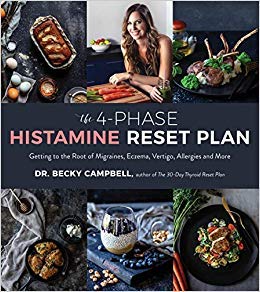
The 4-Phase Histamine Reset Plan: Getting to the Root of Migraines, Eczema, Vertigo, Allergies and More: Campbell, Dr. Becky
The four-phase diet plan is <strong>full of flavorful, low-histamine paleo foods</strong>; the first three phases instruct you which foods to eliminate from your diet to reset your health and support
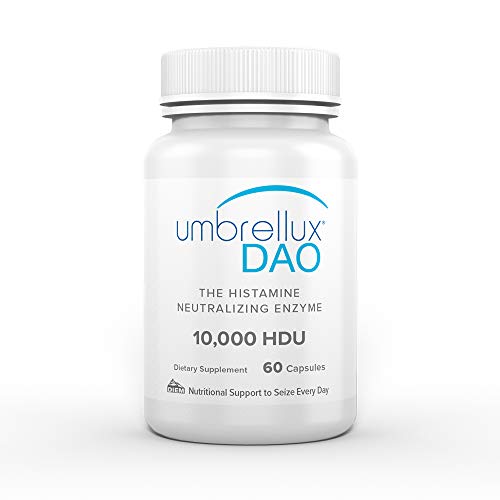
Umbrellux DAO - Histamine Neutralizing Enzyme - 60
<strong>Take Umbrellex DAO about 15-30 minutes prior to consuming high histamine foods and beverages, to help your body break down histamine and reduce the allergy-like reactions of histamine intolera
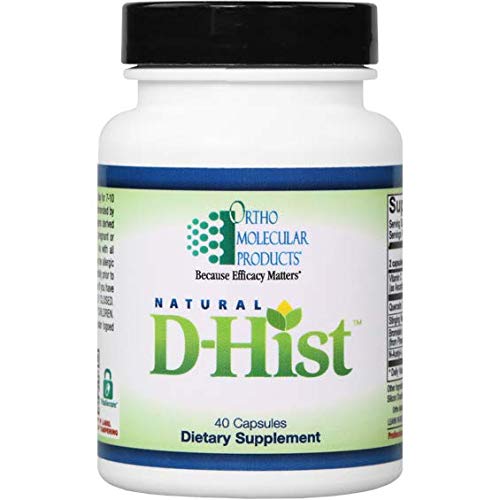
Ortho Molecular - Natural Dhist 40 capsules
Natural D-Hist is <strong>a targeted blend of flavonoids, antioxidants, proteolytic enzymes and botanicals designed to provide comprehensive support for seasonal challenges caused by common environmen
Evidence & Sources
Early-stage research, mostly preclinical or preliminary human studies
- Nutrients
- International Journal of Molecular Sciences
- Allergy
- The Journal of Allergy and Clinical Immunology
- Deutsches Ärzteblatt International
- National Center for Complementary and Integrative Health (NCCIH)
- National Institutes of Health (NIH)
- World Allergy Organization Journal
This content is for informational purposes only and does not constitute medical advice. Always consult a qualified healthcare provider before starting, stopping, or changing any supplement or medication regimen.