

High Cholesterol (Hyperlipidemia) — Western and Eastern Perspectives
Overview
High cholesterol, or hyperlipidemia, refers to elevated levels of lipids in the blood, most notably low-density lipoprotein cholesterol (LDL-C), triglycerides, and in some cases abnormalities in total cholesterol and high-density lipoprotein cholesterol (HDL-C). Cholesterol itself is a waxy substance essential for cell membranes, hormone production, bile acid synthesis, and other physiologic functions. The concern arises when lipid levels become chronically imbalanced, especially when LDL particles contribute to atherosclerosis, the gradual buildup of fatty plaques within arterial walls.
Hyperlipidemia is common worldwide and is considered a major cardiovascular risk factor. Persistently elevated LDL-C is strongly associated with increased risk of coronary artery disease, heart attack, ischemic stroke, and peripheral arterial disease. Triglyceride elevation may also contribute to cardiometabolic risk and, at very high levels, is linked with pancreatitis. Many people have no symptoms, which is why high cholesterol is often described as a silent condition detected through blood testing rather than physical complaints.
The causes of hyperlipidemia are diverse. Conventional medicine recognizes a combination of genetics, diet, sedentary lifestyle, insulin resistance, obesity, diabetes, hypothyroidism, kidney disease, liver disorders, menopause, and certain medications as common contributors. Some individuals have inherited lipid disorders such as familial hypercholesterolemia, in which cholesterol levels can be markedly elevated from a young age. In clinical practice, lipid findings are typically interpreted within the broader context of overall cardiovascular risk, including blood pressure, smoking status, blood sugar, inflammatory burden, and family history.
Across health systems, high cholesterol is viewed not only as a laboratory abnormality but as a reflection of broader metabolic balance. Western medicine emphasizes measurable lipid fractions, plaque biology, and long-term vascular outcomes. Eastern and traditional systems more often interpret the condition through patterns involving digestion, circulation, dampness, stagnation, metabolic fire, or constitutional imbalance. While the explanatory frameworks differ, both perspectives often converge on the importance of long-term lifestyle patterns and the value of individualized assessment by qualified healthcare professionals.
Western Medicine Perspective
Western Medicine Perspective
In conventional medicine, hyperlipidemia is understood primarily through lipoprotein metabolism and its relationship to atherosclerotic cardiovascular disease. LDL-C is generally the principal target of risk reduction because extensive research has linked higher LDL exposure over time with plaque formation and vascular events. Clinicians may also evaluate non-HDL cholesterol, apolipoprotein B, triglycerides, lipoprotein(a), and HDL-C, especially when risk is complex or inherited disorders are suspected. Diagnosis is based on blood lipid testing, often interpreted alongside validated risk calculators and clinical factors such as age, diabetes, hypertension, and prior cardiovascular disease.
Conventional management frameworks typically focus on risk stratification and risk reduction rather than cholesterol numbers alone. Research strongly supports the role of dietary patterns, physical activity, weight management, smoking cessation, and treatment of associated conditions such as diabetes and hypothyroidism in improving lipid profiles and cardiovascular outcomes. When needed, pharmacologic approaches may be considered, with statins being the most studied class for lowering LDL-C and reducing heart attack and stroke risk. Other options evaluated in guidelines include ezetimibe, PCSK9 inhibitors, bile acid sequestrants, fibrates, and prescription omega-3 formulations, depending on the lipid pattern and patient context.
An important feature of the western approach is its emphasis on measurable outcomes. Large randomized trials and meta-analyses have shown that lowering atherogenic lipoproteins, especially LDL-C, is associated with reduced cardiovascular events in many populations. At the same time, conventional medicine recognizes that hyperlipidemia is heterogeneous: a mildly elevated lipid panel in one person may carry different implications than severe inherited dyslipidemia in another. Because treatment thresholds and goals vary by age, risk level, and coexisting disease, clinicians generally interpret findings in a personalized but evidence-based framework.
Eastern & Traditional Perspective
Eastern and Traditional Medicine Perspective
Traditional East Asian medicine does not define hyperlipidemia as a single disease entity in the modern biomedical sense, but elevated blood lipids may be understood through patterns such as phlegm-damp accumulation, spleen deficiency, liver qi stagnation, blood stasis, and kidney imbalance. In this framework, rich diet, emotional constraint, insufficient movement, and constitutional weakness may impair the body's transformation and transportation functions, allowing turbidity, dampness, and stagnation to accumulate. Rather than focusing only on serum cholesterol fractions, practitioners typically assess the broader pattern through symptoms, pulse, tongue findings, digestion, energy, sleep, and circulation.
Within Traditional Chinese Medicine (TCM), presentations associated with hyperlipidemia are often linked to impaired fluid metabolism and obstruction. Traditional treatment principles may include resolving phlegm, draining dampness, moving qi, invigorating blood, and supporting spleen and kidney function, depending on the pattern identified. Herbal formulas and acupuncture have been traditionally used in this context, and some contemporary studies suggest they may influence lipid markers, inflammatory pathways, or metabolic regulation. However, the quality of evidence is variable, and study design limitations are common, so findings are generally interpreted cautiously.
In Ayurveda, lipid imbalance may be discussed in relation to disturbances in meda dhatu (fat tissue metabolism), kapha excess, impaired agni (digestive/metabolic fire), and accumulation of ama (metabolic residue or toxic byproduct). From this perspective, sluggish digestion, heaviness, poor metabolic transformation, and circulatory stagnation may contribute to long-term imbalance. Traditional approaches often emphasize restoring metabolic efficiency, improving digestion, and reducing accumulation through individualized dietary, lifestyle, botanical, and cleansing frameworks. Naturopathic and other traditional systems similarly tend to interpret hyperlipidemia as part of a wider metabolic picture involving inflammation, insulin resistance, liver function, and lifestyle burden.
Eastern and traditional models can offer a broader functional lens, especially around digestion, constitution, and long-term balance, but they do not replace cardiovascular risk assessment. Because high cholesterol can exist without symptoms and may carry serious vascular implications, integrative care is often framed as complementary to appropriate laboratory monitoring and consultation with licensed healthcare professionals.
Supplements & Products
Recommended Products
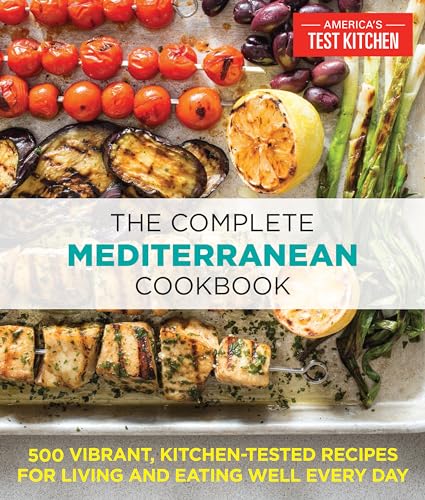
The Complete Mediterranean Cookbook: 500 Vibrant, Kitchen-Tested Recipes for Living and Eating Well Every Day (The Complete ATK Cookbook Series): America's Test Kitchen
The Complete Mediterranean Cookbook: <strong>500 Vibrant, Kitchen-Tested Recipes for Living and Eating Well Every Day</strong> (The Complete ATK Cookbook Series) [America's Test Kitchen] on Amazo
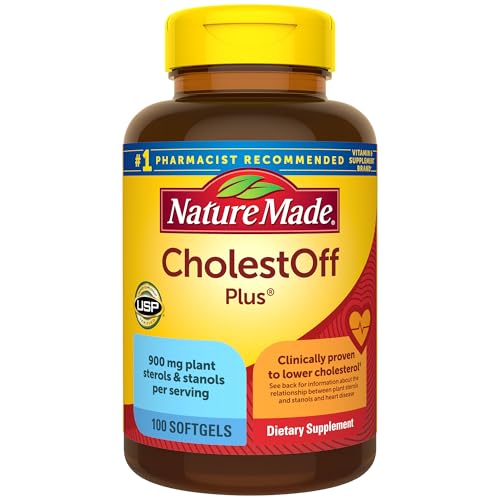
Nature Made CholestOff Plus, Dietary Supplement for Heart Health Support, 100 Softgels, 25 Day Supply
Nature Made CholestOff Plus is ... Phytosterols (plant sterols and stanols) <strong>lower cholesterol by reducing the absorption of dietary cholesterol into the bloodstream</strong>(1). Adults, take t

Metamucil, Psyllium Husk Powder, Unflavored with No Added Sweeteners, 114 Servings, 4-in-1 Fiber Supplement, Daily Psyllium Husk Fiber Powder Help Support Digestive Health by Promoting Regularity*
Metamucil psyllium husk powders ... levels*, and appetite control*. This Metamucil psyllium husk powder is <strong>unflavored with no added sweeteners</strong> and made with plant-based psyllium husk,
Evidence & Sources
Supported by multiple clinical trials and systematic reviews
- World Health Organization (WHO)
- National Heart, Lung, and Blood Institute (NHLBI)
- American Heart Association (AHA)
- Journal of the American College of Cardiology
- Circulation
- The Lancet
- New England Journal of Medicine
- National Center for Complementary and Integrative Health (NCCIH)
This content is for informational purposes only and does not constitute medical advice. Always consult a qualified healthcare provider before starting, stopping, or changing any supplement or medication regimen.