

High Cholesterol — Herbal and Integrative Approaches
Overview
High cholesterol refers to elevated levels of lipids in the blood, especially low-density lipoprotein cholesterol (LDL-C) and, in some cases, triglycerides, with lower levels of high-density lipoprotein cholesterol (HDL-C) also considered part of an unfavorable cardiovascular risk profile. Cholesterol itself is a waxy substance essential for cell membranes, hormone production, and bile acid synthesis, but when circulating levels of atherogenic lipoproteins remain high over time, they can contribute to atherosclerosis—the gradual buildup of plaque within arteries. This process is strongly associated with increased risk of heart attack, stroke, and peripheral arterial disease, making lipid balance a major focus of preventive medicine worldwide.
High cholesterol is often described as a silent condition because it usually causes no symptoms until cardiovascular disease has already developed. Risk may be shaped by genetics—including familial hypercholesterolemia—along with dietary patterns, physical inactivity, insulin resistance, diabetes, hypothyroidism, kidney disease, menopause-related changes, and certain medications. Clinicians now often assess not only total cholesterol, but also LDL-C, non-HDL cholesterol, triglycerides, apolipoprotein B, lipoprotein(a), and overall cardiovascular risk factors to understand the broader picture.
From an integrative health perspective, high cholesterol sits at the intersection of metabolism, inflammation, digestion, liver function, and vascular health. Conventional approaches emphasize risk stratification and lipid-lowering therapies, while herbal and traditional systems often focus on patterns related to poor digestion, excess dietary richness, stagnation, impaired transformation of fats, or constitutional imbalance. Interest in herbal and integrative approaches has grown because some botanicals, fibers, fermented products, and food-derived compounds have shown potential to support lipid metabolism, oxidative balance, and cardiometabolic health.
Research suggests that certain nonpharmacologic strategies—such as soluble fiber, plant sterols, red yeast rice, berberine-containing plants, garlic, artichoke leaf, flax, and green tea constituents—may modestly influence lipid markers in some populations. At the same time, the quality, standardization, and safety of supplements vary widely, and herb-drug interactions are an important concern, particularly for people already using statins, anticoagulants, diabetes medications, or blood pressure therapies. For that reason, integrative discussions about high cholesterol are generally framed as complementary to medical evaluation, especially when cardiovascular risk is elevated or inherited disorders are suspected.
Western Medicine Perspective
Western Medicine Perspective
In conventional medicine, high cholesterol is understood primarily as a modifiable cardiovascular risk factor and, in some cases, a manifestation of inherited lipid disorders. LDL particles are considered central to plaque formation because they can enter the arterial wall, become oxidized or otherwise modified, and trigger inflammatory processes that promote atherosclerotic lesion development. Modern guidelines therefore focus heavily on lowering LDL-C and reducing overall atherosclerotic cardiovascular disease (ASCVD) risk, rather than viewing cholesterol numbers in isolation.
Assessment typically includes a fasting or nonfasting lipid panel, along with evaluation of blood pressure, smoking status, diabetes, family history, body composition, kidney and thyroid function, and other markers of metabolic health. In higher-risk settings, clinicians may also consider apolipoprotein B, lipoprotein(a), coronary artery calcium scoring, or genetic evaluation for familial hypercholesterolemia. Standard care often begins with dietary and lifestyle measures, but pharmacologic therapy—especially statins—has the strongest evidence base for reducing cardiovascular events. Other agents, such as ezetimibe, PCSK9 inhibitors, bempedoic acid, and fibrates in selected cases, may be used depending on the lipid pattern and risk profile.
Within an integrative framework, western research has explored several adjunctive natural approaches. Soluble fiber (such as psyllium, oats, and beta-glucans) and plant sterols/stanols are among the best-studied nonprescription options for modest LDL reduction. Red yeast rice has demonstrated lipid-lowering effects in trials because some preparations contain monacolin K, a naturally occurring lovastatin analogue; however, product variability, possible contamination with citrinin, and statin-like adverse effects remain important concerns. Berberine has attracted attention for possible effects on LDL receptors, insulin sensitivity, and triglycerides, though study quality and product consistency remain mixed. Other supplements such as garlic, artichoke leaf extract, flaxseed, soy protein, and green tea extract show variable and generally modest effects in the literature.
Conventional medicine generally views herbal and integrative approaches as potentially relevant adjuncts, not equivalents to evidence-based lipid-lowering therapy for individuals at substantial cardiovascular risk. Safety is a major issue: supplements may cause liver enzyme elevations, muscle symptoms, gastrointestinal effects, or interactions with prescription medications. For that reason, western clinicians typically emphasize laboratory monitoring, source quality, and individualized risk assessment when herbal strategies are being considered alongside standard care.
Eastern & Traditional Perspective
Eastern and Traditional Medicine Perspective
In Traditional Chinese Medicine (TCM), high cholesterol is not historically defined as a standalone laboratory diagnosis, but its presentation is often interpreted through patterns such as phlegm-damp accumulation, spleen qi deficiency, liver qi stagnation, blood stasis, or heat in the liver and gallbladder systems. From this viewpoint, rich foods, emotional constraint, sedentary habits, and aging may impair the body's capacity to transform and transport fluids and nutrients, leading to internal accumulation. Traditional approaches therefore aim to resolve phlegm, move blood, support digestion, and restore balance rather than target a single biomarker. Herbs and formulas traditionally discussed in this context may include botanicals used to transform dampness, support the spleen, invigorate blood, or clear heat, though classical use is based on pattern differentiation rather than cholesterol numbers alone.
In Ayurveda, lipid imbalance may be understood through concepts involving meda dhatu (fat tissue metabolism), agni (digestive/metabolic fire), and ama (metabolic residue or toxic byproduct of incomplete digestion). Excess kapha, sluggish digestion, and impaired tissue metabolism are commonly invoked frameworks in traditional interpretation. Herbs such as guggul (Commiphora mukul), garlic, turmeric, fenugreek, and triphala-related formulations have historically been used to support metabolic balance and circulatory health. Modern research on guggul has produced mixed findings, with some studies suggesting lipid effects while others have not confirmed benefit and have raised tolerability concerns.
In naturopathy and broader traditional herbalism, high cholesterol is often viewed as part of a larger cardiometabolic pattern involving diet quality, liver function, inflammatory tone, stress physiology, and fiber intake. Commonly discussed natural agents include artichoke, hawthorn, garlic, flax, omega-3-rich foods, berberine-containing plants, and bitter or cholagogue herbs, with the goal of supporting healthy lipid processing and vascular resilience. These systems frequently place strong emphasis on whole-diet patterns, movement, stress regulation, and constitutional assessment rather than isolated supplementation.
Across traditional systems, an important distinction is that therapies are usually individualized according to pattern and constitution, not solely based on laboratory thresholds. At the same time, modern integrative practice increasingly attempts to align traditional pattern-based care with contemporary lipid testing, medication review, and cardiovascular risk assessment. This blended approach recognizes traditional knowledge while also acknowledging that serious dyslipidemia, especially when inherited or associated with established cardiovascular disease, warrants evaluation by qualified healthcare professionals.
Supplements & Products
Recommended Products
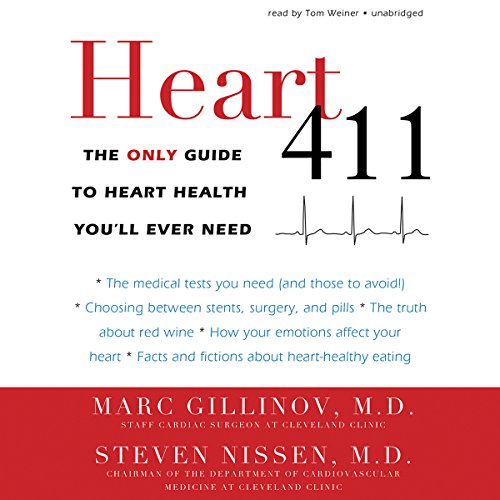
Heart 411: The Only Guide to Heart Health You'll Ever Need: Gillinov M.D., Marc, Nissen M.D., Steven
MARC GILLINOV, M.D., is <strong>Chairman of the Department of Thoracic and Cardiovascular Surgery at the Sydell and Arnold Miller Family Heart & Vascular Institute at Cleveland Clinic</strong>. ST
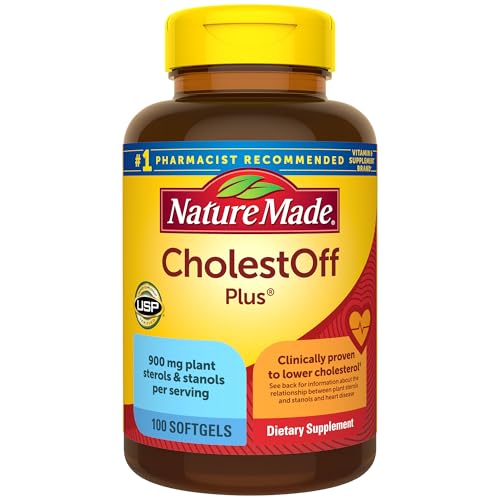
Nature Made CholestOff Plus, Dietary Supplement for Heart Health Support, 100 Softgels, 25 Day Supply
Nature Made CholestOff Plus is ... Phytosterols (plant sterols and stanols) <strong>lower cholesterol by reducing the absorption of dietary cholesterol into the bloodstream</strong>(1). Adults, take t

Jarrow Formulas Red Yeast Rice 1200 mg & CoQ10 100 mg Per Serving - 120 Veggie Caps, 60 Servings - Herbal Heart Health Dietary Supplement - Supports Cardiovascular & Cellular Health - Vegan
Red Yeast Rice with CoQ10 Supplement | Healthy Cholesterol Levels & Heart Health Support | Extra Strength Red Yeast Rice 1200 MG (600 MG Per Capsule) with Monakolin K | No Citrinin, Non-GMO | 120
Evidence & Sources
Promising research with growing clinical support from multiple studies
- American Heart Association
- American College of Cardiology/American Heart Association Cholesterol Guidelines
- National Heart, Lung, and Blood Institute (NHLBI)
- National Center for Complementary and Integrative Health (NCCIH)
- Cochrane Database of Systematic Reviews
- Journal of the American College of Cardiology
- Circulation
- Mayo Clinic Proceedings
- Phytomedicine
- The American Journal of Clinical Nutrition
This content is for informational purposes only and does not constitute medical advice. Always consult a qualified healthcare provider before starting, stopping, or changing any supplement or medication regimen.