

Herpes Simplex
Also known as: HSV, Cold Sores, Genital Herpes
Overview
Herpes simplex is a common viral infection caused by the herpes simplex virus (HSV), most often categorized as HSV-1 and HSV-2. HSV-1 has traditionally been associated with oral herpes, including cold sores around the mouth, while HSV-2 has more often been linked with genital herpes; however, either type can infect oral or genital areas. After the initial infection, the virus remains in the body in a latent state within nerve cells and may reactivate periodically, leading to recurrent sores, tingling, burning, itching, or, in some cases, no noticeable symptoms at all.
Herpes simplex is highly prevalent worldwide. Public health data indicate that a large proportion of adults carry HSV-1, often acquired in childhood, and HSV-2 also affects a substantial global population. Many people are unaware they have the infection because symptoms can be mild, atypical, or absent. Even without visible lesions, viral shedding can occur, which helps explain ongoing transmission. This makes herpes simplex an important topic not only for symptom management, but also for sexual health, stigma reduction, and informed conversations with healthcare providers.
Clinical presentation varies. Some individuals experience an initial outbreak with painful blisters, ulcers, swollen lymph nodes, fever, or flu-like symptoms, while others have infrequent or minor recurrences. Triggers commonly discussed in both medical literature and traditional systems include stress, illness, immune strain, friction, sun exposure, and hormonal changes. In certain situations, HSV can cause more serious complications, including neonatal herpes, herpes keratitis affecting the eye, eczema herpeticum, or severe disease in immunocompromised individuals.
Interest in natural and integrative approaches often centers on reducing flare-up frequency, supporting skin healing, managing discomfort, and identifying lifestyle-related triggers. Research on complementary strategies is mixed: some approaches have a long history of traditional use, while others have limited or emerging evidence. Because herpes simplex can resemble other conditions and may have implications for pregnancy, eye health, and immune status, evaluation by a qualified healthcare professional remains important, particularly for new, severe, or recurrent symptoms.
Medical Perspectives
Two Ways of Seeing Health

Western
scientific · clinical
Western medicine applies science, technology, and clinical experience to treat symptoms through testing, diagnosis, and targeted intervention.

Eastern
traditional · alternative
Eastern medicine focuses on treating the body naturally by applying traditional knowledge practiced for thousands of years, emphasizing balance and whole-person wellness.
Gold Bamboo presents both perspectives side-by-side so you can make informed decisions. We don't advocate for one over the other — your health choices are yours.
Western Medicine Perspective
Western Medicine Perspective
From a conventional medical standpoint, herpes simplex is understood as a lifelong viral infection characterized by periods of latency and reactivation. Diagnosis may be based on clinical appearance, but laboratory confirmation can include PCR testing, viral culture in some settings, or type-specific serologic testing when appropriate. Western medicine emphasizes the distinction between primary infection, recurrent disease, asymptomatic shedding, and complications in special populations such as pregnant individuals, newborns, and people with weakened immune systems.
Conventional management focuses on antiviral therapy, symptom reduction, and lowering transmission risk. Studies indicate that antiviral medications such as acyclovir, valacyclovir, and famciclovir can shorten outbreaks and, in some cases, reduce recurrence frequency and viral shedding. Supportive care may include attention to hydration, skin protection, pain control, and avoiding aggravating triggers. Western clinicians also consider differential diagnosis, since sores or ulcers may also result from aphthous ulcers, shingles, syphilis, chancroid, contact dermatitis, or other infectious and inflammatory conditions.
Research into complementary options within a western framework often evaluates topical botanicals, nutrients, stress management, and immune-modulating strategies. Some small studies and reviews have examined agents such as lemon balm (Melissa officinalis), propolis, and lysine, particularly for recurrent oral herpes, but findings are inconsistent and not equivalent to the evidence base for standard antivirals. Conventional medicine generally views these options as areas of interest rather than definitive therapies. Medical evaluation is especially important if lesions involve the eye, occur during pregnancy, are unusually severe, or are associated with fever, neurological symptoms, or impaired immunity.
Eastern & Traditional Perspective
Eastern / Traditional Medicine Perspective
In Traditional Chinese Medicine (TCM), herpes-like eruptions are often interpreted through patterns such as damp-heat, toxic heat, or heat disturbing the channels, with recurrent outbreaks sometimes viewed in relation to underlying imbalances involving the Liver, Spleen, or overall defensive qi. The emphasis is less on the named virus alone and more on the individual's terrain: stress, emotional constraint, dietary excess, fatigue, and environmental heat are traditionally considered factors that may contribute to recurrence. TCM approaches have historically included individualized herbal formulas, topical preparations, acupuncture, and dietary pattern assessment, with the goal of clearing heat, resolving dampness, and supporting systemic balance.
In Ayurveda, herpes-type conditions may be discussed in relation to disturbances of pitta and sometimes rakta dhatu (the blood tissue), especially where inflammation, burning, redness, and recurrent eruptions are prominent. Traditional interpretation often considers digestive balance, stress, immunity, and accumulated heat in the system. Ayurvedic practice has historically used cooling herbs, skin-supportive preparations, and broader lifestyle balancing measures intended to reduce aggravating factors and support resilience.
Naturopathic and integrative traditions often focus on trigger identification, stress physiology, sleep quality, nutrient status, and skin barrier support. Botanicals such as lemon balm and propolis, mind-body practices, and nutritional strategies are commonly discussed in this context. However, from an evidence standpoint, many traditional interventions remain individualized and incompletely studied, and published research varies in quality. Integrative practitioners generally frame these methods as supportive approaches rather than replacements for appropriate medical care, particularly in higher-risk situations such as ocular herpes or pregnancy.
Supplements & Products
Recommended Products

The Good News About the Bad News: Herpes: Everything You Need to Know: Warren RN NP, Terri
This complete guide to living with genital herpes, written by internationally recognized herpes expert Terri Warren, <strong>addresses every practical issue people with herpes face</strong>. The autho

NOW Foods Supplements, (L-Lysine Hydrochloride) 1,000 mg, Double Strength, Amino Acid, 100 Tablets : Everything Else
Buy NOW Foods Supplements, (L-Lysine Hydrochloride) 1,000 mg, Double Strength, Amino Acid, 100 Tablets on Amazon.com ✓ FREE SHIPPING on qualified orders
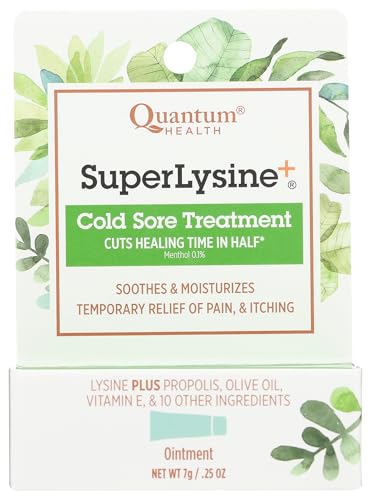
Quantum SuperLysine+ Cold Sore Treatment Ointment|Relieves Pain, Burning, and Itching|Cuts Healing Time in Half|0.25 Ounce
Quantum Super Lysine Plus Cold Sore Treatment Cream - 0.25 Oz · Quantum SuperLysine+ Cold Sore Treatment Ointment|Relieves Pain, Burning, and Itching|Cuts Healing Time in Half|0.75 Ounce
Evidence & Sources
Promising research with growing clinical support from multiple studies
- World Health Organization (WHO)
- Centers for Disease Control and Prevention (CDC) Sexually Transmitted Infections Treatment Guidelines
- National Institute of Allergy and Infectious Diseases (NIAID)
- National Center for Complementary and Integrative Health (NCCIH)
- Journal of the American Medical Association (JAMA)
- The Lancet
- American Family Physician
- Cochrane Database of Systematic Reviews
This content is for informational purposes only and does not constitute medical advice. Always consult a qualified healthcare provider before starting, stopping, or changing any supplement or medication regimen.