

Hepatitis C
Also known as: HCV
Overview
Hepatitis C is a viral infection caused by the hepatitis C virus (HCV) that primarily affects the liver. For many people, the infection begins silently, with few or no symptoms, yet it can gradually lead to chronic liver inflammation, fibrosis, cirrhosis, liver failure, and hepatocellular carcinoma over time. Because early infection is often asymptomatic, hepatitis C has historically been described as a major public health concern worldwide, especially among people who were exposed through blood products before routine screening, injection drug use, or other blood-to-blood contact.
From a clinical standpoint, hepatitis C may occur as acute infection or chronic infection. A portion of individuals clear the virus spontaneously, but many go on to develop chronic disease. The significance of hepatitis C lies not only in liver injury itself, but also in its broader systemic effects. Research has linked chronic HCV infection with fatigue, insulin resistance, kidney disease, mixed cryoglobulinemia, certain lymphoproliferative disorders, and reduced quality of life. This wider impact is one reason hepatitis C is considered more than a liver-only condition.
In recent years, the landscape of hepatitis C care has changed dramatically because of the development of direct-acting antiviral (DAA) therapies, which have transformed HCV into one of the few chronic viral infections that can often be eradicated. At the same time, many patients and clinicians remain interested in integrative approaches that may support overall liver health, symptom burden, nutrition, stress regulation, and recovery alongside standard care. These supportive strategies are typically discussed in the context of safety, quality of evidence, and potential interactions with antiviral drugs or medications used for coexisting conditions.
An integrative discussion of hepatitis C therefore requires balance: conventional medicine offers highly effective antiviral treatment and structured monitoring for liver damage, while traditional and complementary systems often focus on whole-person support, including digestion, vitality, inflammation, and resilience. Because the liver plays a central role in metabolism and detoxification, any complementary therapy considered in hepatitis C warrants careful review with qualified healthcare professionals, particularly due to the possibility of hepatotoxicity, contamination, or herb-drug interactions.
Medical Perspectives
Two Ways of Seeing Health

Western
scientific · clinical
Western medicine applies science, technology, and clinical experience to treat symptoms through testing, diagnosis, and targeted intervention.

Eastern
traditional · alternative
Eastern medicine focuses on treating the body naturally by applying traditional knowledge practiced for thousands of years, emphasizing balance and whole-person wellness.
Gold Bamboo presents both perspectives side-by-side so you can make informed decisions. We don't advocate for one over the other — your health choices are yours.
Western Medicine Perspective
Western Medicine Perspective
In conventional medicine, hepatitis C is understood as an RNA viral infection transmitted primarily through exposure to infected blood. Diagnostic evaluation typically includes HCV antibody testing, confirmatory HCV RNA testing, and assessment of liver injury and fibrosis through laboratory studies and noninvasive fibrosis tools or imaging. Modern clinical care also considers viral genotype less central than in the past because many contemporary DAA regimens are pangenotypic, although genotype and comorbidities may still influence management in some settings. Screening has expanded substantially because many infected individuals remain undiagnosed for years.
The central goal of treatment is sustained virologic response (SVR), meaning the virus is undetectable after therapy, which is associated with markedly improved outcomes. Studies indicate that DAA therapies achieve very high cure rates across diverse patient populations, including many with compensated cirrhosis. Conventional management also includes surveillance and risk reduction related to advanced fibrosis, cirrhosis, portal hypertension, and liver cancer, as well as evaluation for coinfections such as hepatitis B or HIV. Even after virologic cure, patients with advanced liver scarring may still require long-term monitoring.
From an integrative standpoint, western clinicians may consider complementary strategies only as adjunctive, not replacement, approaches. Areas of interest include nutrition, alcohol avoidance, metabolic health, vaccination status, mental health support, sleep quality, and management of fatigue. Some dietary supplements and herbs are marketed for “liver support,” but evidence is uneven and safety is a major concern in hepatitis C because certain products may worsen liver injury or interfere with antiviral metabolism. For this reason, research-informed conventional care generally emphasizes careful review of all supplements, botanicals, and over-the-counter products with a healthcare professional familiar with liver disease.
Eastern & Traditional Perspective
Eastern/Traditional Medicine Perspective
In Traditional Chinese Medicine (TCM), hepatitis C is not historically described in virologic terms, but symptom patterns associated with chronic liver illness may be interpreted through frameworks such as Liver qi stagnation, damp-heat in the Liver and Gallbladder, toxin accumulation, blood stasis, or Spleen deficiency. TCM assessment is individualized, with attention to fatigue, digestive function, appetite, emotional strain, jaundice, abdominal fullness, and tongue and pulse patterns. Traditional approaches may include herbal formulas, acupuncture, dietary therapy, and lifestyle regulation, with the goal of restoring systemic balance rather than targeting HCV directly in the biomedical sense.
In Ayurveda, chronic liver disorders may be discussed through disturbances involving pitta, impaired digestion and metabolism (agni), and accumulation of ama. The liver is often viewed as central to transformation, purification, and blood health. Traditional Ayurvedic care may focus on supporting digestion, reducing inflammatory excess, and improving overall vitality through herbs, food practices, and daily routine. Similarly, naturopathic and other traditional systems often frame hepatitis C support in terms of liver nourishment, constitutional balance, and reducing overall physiologic burden.
Research on eastern and traditional therapies in hepatitis C remains limited and mixed. Some studies have explored herbal compounds, antioxidant approaches, or acupuncture for symptoms such as fatigue or quality-of-life concerns, but the evidence is generally not strong enough to position these methods as curative antiviral therapies. A further concern is that some traditional remedies may be poorly standardized, contaminated, or directly hepatotoxic, which is especially relevant in preexisting liver disease. As a result, integrative use is typically discussed as supportive and context-dependent, with strong emphasis on coordination with hepatology and pharmacy professionals.
Supplements & Products
Recommended Products

The Hepatitis C Help Book: A Groundbreaking Treatment Program Combining Western and Eastern Medicine for Maximum Wellness and Healing: Gish, Robert, Cohen O.M.D. L. Ac., Misha Ruth, Doner, Kalia
The Hepatitis C Help Book: <strong>A Groundbreaking Treatment Program Combining Western and Eastern Medicine for Maximum Wellness and Healing</strong> [Gish, Robert, Cohen O.M.D. L. Ac., Misha Ruth, D
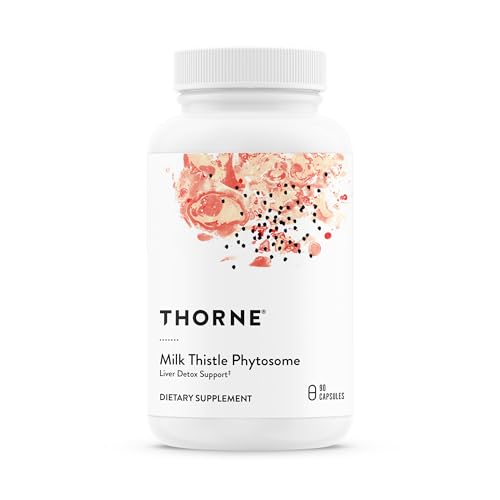
THORNE - Milk Thistle Phytosome (Formerly Siliphos) - Botanical Extract Complex for Antioxidant and Liver Support* - Third-Party Certified - Gluten, Dairy & Soy-Free - 90 Capsules
Natural Liver Support: <strong>Dual liver-protective benefits from silybin, a milk thistle flavonoid, and from sunflower phospholipids</strong>* Antioxidant Benefits: Helps maintain a normal level of
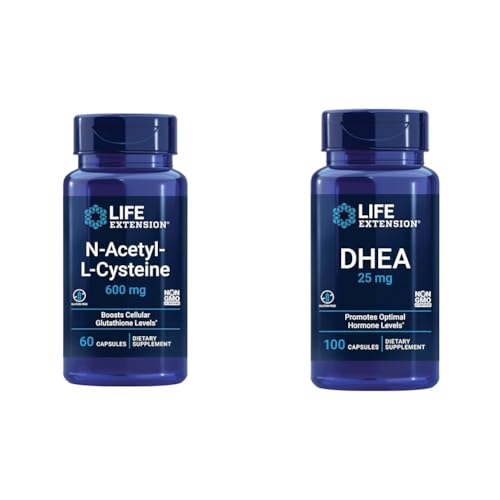
Life Extension N-Acetyl-L-Cysteine (NAC), Immune, Respiratory, Liver Health, NAC 600 mg, Potent antioxidant Support, Free-radicals, Easy to Absorb, 60 Capsules
<strong>Each NAC capsule delivers 600 mg of this powerful, rapidly absorbed nutrient</strong>. NAC is a powerful free radical scavenger and helps you combat everyday oxidative stress. NAC replenishes
Evidence & Sources
Supported by multiple clinical trials and systematic reviews
- World Health Organization (WHO) Hepatitis C Fact Sheets
- Centers for Disease Control and Prevention (CDC) Hepatitis C Clinical Guidance
- American Association for the Study of Liver Diseases and Infectious Diseases Society of America (AASLD-IDSA) HCV Guidance
- The New England Journal of Medicine
- Journal of Hepatology
- Hepatology
- National Institute of Diabetes and Digestive and Kidney Diseases (NIDDK)
- National Center for Complementary and Integrative Health (NCCIH)
This content is for informational purposes only and does not constitute medical advice. Always consult a qualified healthcare provider before starting, stopping, or changing any supplement or medication regimen.