

Headaches
Also known as: Chronic Headaches, Frequent Headaches
Overview
Headaches are among the most common health complaints worldwide, ranging from occasional mild discomfort to recurrent, disabling episodes that significantly affect daily life. The term covers multiple conditions rather than a single diagnosis. Common primary headache disorders include tension-type headache, migraine, and cluster headache, while secondary headaches arise from another underlying issue such as infection, medication overuse, head injury, sinus disease, high blood pressure in specific contexts, or rarely a neurological emergency. Because the causes are diverse, headaches are best understood as a symptom pattern with many possible triggers and mechanisms.
Headaches often reflect an interplay of neurological, vascular, muscular, hormonal, behavioral, and environmental factors. Frequently discussed contributors include stress, sleep disruption, dehydration, skipped meals, eye strain, poor posture, alcohol, caffeine fluctuations, hormonal changes, and sensory triggers such as light or odor. In some people, genetics play an important role, particularly with migraine. Research also suggests that headaches can be influenced by mood disorders, chronic pain syndromes, and autonomic nervous system dysregulation, which helps explain why they are sometimes persistent or cyclical rather than isolated events.
From a public health standpoint, headaches are highly prevalent and are a major cause of lost productivity and reduced quality of life. Migraine, in particular, is consistently ranked among the leading causes of disability worldwide, especially in younger and middle-aged adults. Although many headaches are benign, the symptom can sometimes signal a more serious condition. Conventional medicine therefore emphasizes recognizing headache patterns, associated symptoms, and warning signs, while integrative and traditional systems often focus on identifying constitutional tendencies, lifestyle imbalances, and trigger patterns that may influence frequency and severity.
People commonly look for natural or non-pharmacologic ways to reduce headache burden, and research suggests that approaches such as sleep regulation, stress management, hydration, physical therapy, relaxation techniques, acupuncture, and selected mind-body practices may have supportive roles for some individuals. At the same time, persistent, sudden, severe, or changing headaches warrant medical evaluation, particularly when accompanied by neurological symptoms, fever, trauma, confusion, weakness, or visual changes. A balanced understanding of headaches benefits from both modern diagnostic frameworks and traditional models that consider the whole person.
Compare Treatment Options
Chronic migraine is a neurological disorder typically defined as headache on 15 or more days per month for more than 3 months, with migraine features on at least 8 of those days. It is more than “frequent bad headaches.” People may experience throbbing or pressure-like head pain, nausea, vomiting, light or sound sensitivity, visual symptoms, neck pain, cognitive fog, and major disruption to work, sleep, and social life. Chronic migraine often overlaps with related issues such as medication-overuse headache, tension-type headache features, stress, sleep disruption, and other chronic pain conditions. Treatment options vary because chronic migraine has multiple drivers: nervous system sensitivity, genetics, hormonal patterns, sleep quality, stress load, musculoskeletal tension, and medication use patterns can all play a role. In western care, treatment often separates into acute therapies for attacks and preventive therapies intended to reduce monthly migraine days. In eastern and integrative traditions, approaches such as acupuncture, mind-body regulation, and selected herbal strategies are traditionally used to address recurring headache patterns, stress reactivity, and whole-body balance. Research suggests some of these options may help certain patients, though evidence quality and consistency differ across therapies.
View treatment comparison (6 options)Medical Perspectives
Two Ways of Seeing Health

Western
scientific · clinical
Western medicine applies science, technology, and clinical experience to treat symptoms through testing, diagnosis, and targeted intervention.

Eastern
traditional · alternative
Eastern medicine focuses on treating the body naturally by applying traditional knowledge practiced for thousands of years, emphasizing balance and whole-person wellness.
Gold Bamboo presents both perspectives side-by-side so you can make informed decisions. We don't advocate for one over the other — your health choices are yours.
Western Medicine Perspective
Western Medicine Perspective
In conventional medicine, headaches are broadly classified as primary or secondary. Primary headaches are disorders in their own right, with migraine, tension-type headache, and cluster headache being the most recognized categories in the International Classification of Headache Disorders. Migraine is understood as a complex neurological disorder involving altered brain excitability, trigeminal nerve activation, inflammatory neuropeptides such as CGRP, and changes in sensory processing. Tension-type headache is often associated with muscular tenderness, stress, and pain-processing sensitization, while cluster headache is linked to hypothalamic and trigeminal-autonomic pathways. Secondary headaches prompt investigation for an underlying cause, which may range from sinus disease and medication overuse to meningitis, hemorrhage, or other urgent conditions.
Evaluation typically focuses on headache timing, location, quality, associated symptoms, triggers, medication history, and red-flag features. Conventional care pays close attention to warning signs such as abrupt “thunderclap” onset, new headache after age 50, progressive worsening, neurological deficits, fever, cancer history, immune suppression, pregnancy-related concerns, or headache after trauma. Diagnostic testing is not required for every headache, but imaging, bloodwork, or other studies may be considered when clinical findings suggest a secondary cause. This framework is designed to distinguish common recurring headache disorders from less common but potentially serious medical problems.
Management in western medicine varies by headache type and often includes both acute symptom relief and prevention strategies. Research supports the importance of trigger tracking, regular sleep, hydration, exercise, posture assessment, and avoiding medication overuse, which itself can perpetuate chronic headaches. Non-drug approaches with supportive evidence include cognitive behavioral therapy, biofeedback, relaxation training, physical therapy for selected cervicogenic patterns, and acupuncture in some cases. Pharmacologic options also exist, but the broader medical approach increasingly recognizes that effective headache care often requires a personalized, multimodal plan rather than a single intervention.
Eastern & Traditional Perspective
Eastern and Traditional Medicine Perspective
In Traditional Chinese Medicine (TCM), headaches are not viewed as one uniform disorder but as patterns involving disruption of qi, blood, yin-yang balance, and meridian flow. Traditional pattern differentiation may attribute headaches to external influences such as wind-cold or wind-heat, or internal imbalances such as Liver yang rising, Liver fire, phlegm-damp obstruction, blood deficiency, kidney deficiency, or blood stasis. The location of pain may also carry diagnostic meaning; for example, frontal, temporal, vertex, or occipital headaches may be associated with different meridians. TCM approaches have traditionally included acupuncture, moxibustion, bodywork, breathing practices, and individualized herbal formulas, with the goal of restoring systemic balance rather than only suppressing pain.
In Ayurveda, headache may be interpreted through the lens of dosha imbalance, especially disturbances in Vata, Pitta, or Kapha depending on the quality and pattern of symptoms. For example, throbbing or heat-related headaches may be associated traditionally with Pitta aggravation, while tension, dryness, irregularity, or nervous-system strain may be framed in Vata terms. Ayurvedic care has historically emphasized digestion, routine, stress modulation, sleep quality, and individualized herbal or cleansing approaches, though these frameworks are rooted in traditional theory rather than direct equivalence with biomedical diagnoses.
Naturopathic and other integrative traditions often focus on identifying functional contributors such as stress load, muscle tension, food sensitivities, sleep disturbance, hormonal shifts, and nutrient status. Mind-body approaches, manual therapies, hydrotherapy, breathing techniques, and dietary pattern review are commonly discussed in these systems. Evidence for traditional practices varies considerably: acupuncture has a relatively stronger research base for some recurrent headaches, while many herbal and constitution-based systems remain supported more by historical use, practitioner experience, and emerging but heterogeneous studies. Across traditional systems, the emphasis is typically on pattern recognition, prevention, and whole-person balance, ideally alongside appropriate medical evaluation when symptoms are atypical or severe.
Supplements & Products
Recommended Products
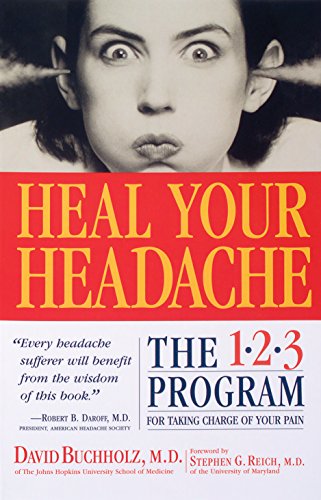
Heal Your Headache: The 1-2-3 Program for Taking Charge of Your Pain: David Buchholz, Stephen G. Reich
Heal Your Headache: The 1-2-3 Program for Taking Charge of Your Pain [David Buchholz, Stephen G. Reich] on Amazon.com. *FREE* shipping on qualifying offers. Heal Your Headache: The 1-2-3 Program for T

Doctor's Best High Absorption Magnesium Glycinate Lysinate Supplement for Sleep Support - Chelated Magnesium Tablets for Women & Men, 200mg per Serving, Supports Calm & Relaxation, Vegan - 240 Count
Doctor's Best High Absorption Magnesium Glycinate Lysinate Supplement for Sleep Support - Chelated Magnesium Capsules for Women & Men, 105 mg per Serving, Calm Support, Vegan - 120 Veg Caps

Basic Vigor Migrastil Migraine Stick Rollon - Fast Cooling Comfort for Your Head. Aromatherapy with Peppermint & Other Essential Oils. Metal Roller. Made in USA
<strong>Enjoy cooling comfort with pure Peppermint, Spearmint & Lavender oils in a base of fractionated coconut oil, providing a crisp, pleasant scent</strong>. Just apply to your temples, forehea
Evidence & Sources
Promising research with growing clinical support from multiple studies
- International Headache Society (International Classification of Headache Disorders)
- World Health Organization
- National Institute of Neurological Disorders and Stroke
- National Center for Complementary and Integrative Health (NCCIH)
- The Lancet Neurology
- Cephalalgia
- JAMA
- BMJ
- Cochrane Database of Systematic Reviews
- American Headache Society
This content is for informational purposes only and does not constitute medical advice. Always consult a qualified healthcare provider before starting, stopping, or changing any supplement or medication regimen.