

Hashimoto's Thyroiditis
Also known as: Hashimoto’s Disease, Chronic Lymphocytic Thyroiditis
Overview
Hashimoto's thyroiditis is a chronic autoimmune condition in which the immune system targets thyroid tissue, often leading over time to thyroid inflammation, gradual gland damage, and reduced thyroid hormone production. It is one of the most common causes of hypothyroidism in areas where iodine intake is sufficient. The condition is seen more often in women than men and may occur alongside other autoimmune disorders, including celiac disease, type 1 diabetes, pernicious anemia, and vitiligo. In many cases, Hashimoto's develops gradually, with symptoms emerging slowly as thyroid function declines.
Common symptoms associated with underactive thyroid function can include fatigue, cold intolerance, constipation, dry skin, hair thinning, weight changes, menstrual irregularity, depressed mood, and cognitive slowing. Some people also develop a goiter, or enlargement of the thyroid gland. However, Hashimoto's can also be present for years before clear symptoms appear, and some individuals are identified only through abnormal laboratory testing, such as elevated thyroid peroxidase antibodies (TPOAb) or changes in TSH and free T4 levels.
From a biomedical standpoint, Hashimoto's is understood as an interplay of genetic susceptibility, immune dysregulation, and environmental influences. Factors under study include family history, sex hormones, iodine status, selenium status, pregnancy and postpartum immune shifts, certain infections, and smoking patterns. Public interest often centers on dietary changes, gut health, stress, supplements, and holistic approaches, though the strength of evidence varies substantially across these areas.
Because thyroid hormone affects metabolism, cardiovascular function, mood, reproduction, and temperature regulation, Hashimoto's has significance beyond the thyroid itself. A balanced discussion typically includes both the standard endocrine model of diagnosis and monitoring and the broader integrative and traditional medicine frameworks that emphasize whole-person patterns, lifestyle, digestion, stress, and constitutional balance. Any interpretation of symptoms or lab findings is best contextualized with a qualified healthcare professional, especially because thyroid dysfunction can overlap with other medical conditions.
Medical Perspectives
Two Ways of Seeing Health

Western
scientific · clinical
Western medicine applies science, technology, and clinical experience to treat symptoms through testing, diagnosis, and targeted intervention.

Eastern
traditional · alternative
Eastern medicine focuses on treating the body naturally by applying traditional knowledge practiced for thousands of years, emphasizing balance and whole-person wellness.
Gold Bamboo presents both perspectives side-by-side so you can make informed decisions. We don't advocate for one over the other — your health choices are yours.
Western Medicine Perspective
Western Medicine Perspective
In conventional medicine, Hashimoto's thyroiditis is classified as an autoimmune thyroid disease. Diagnosis usually combines clinical history, thyroid function tests, and antibody testing, particularly TSH, free T4, and thyroid peroxidase antibodies; thyroglobulin antibodies may also be assessed. Ultrasound may show a heterogeneous or inflamed thyroid pattern, though imaging is not always necessary. Western medicine generally focuses on whether the autoimmune process has led to subclinical or overt hypothyroidism, and on monitoring for progression over time.
The conventional understanding is that the key clinical issue is often insufficient thyroid hormone production rather than the antibody level alone. Standard management commonly centers on thyroid hormone replacement when hypothyroidism is present, with periodic laboratory follow-up to assess thyroid status. In people with normal thyroid hormone levels but positive antibodies, clinicians may monitor thyroid function over time rather than treating solely on the basis of autoimmunity. Attention is also given to related issues such as fertility, pregnancy, lipid changes, cardiovascular risk, and screening for associated autoimmune conditions when clinically indicated.
Research on lifestyle and nutritional factors is active but mixed. Studies have explored selenium, vitamin D status, iron deficiency, iodine intake, gluten-free diets in selected populations, and inflammatory dietary patterns. Some findings suggest possible improvements in antibody levels or quality-of-life markers in subsets of patients, but results are inconsistent, and reductions in antibodies do not always translate into meaningful clinical outcomes. For this reason, conventional guidelines tend to be cautious, emphasizing individualized assessment and avoidance of overgeneralized claims.
Western medicine also recognizes that persistent symptoms may not always be explained by thyroid labs alone. Fatigue, mood changes, sleep disturbance, anemia, menopause, nutrient deficiencies, and other autoimmune or metabolic disorders can coexist. This is one reason comprehensive evaluation is often emphasized in conventional practice, particularly when symptoms appear disproportionate to laboratory findings.
Eastern & Traditional Perspective
Eastern / Traditional Medicine Perspective
Traditional systems such as Traditional Chinese Medicine (TCM), Ayurveda, and naturopathic medicine do not describe Hashimoto's thyroiditis in exactly the same disease-specific terms used in endocrinology. Instead, they often interpret the presentation through broader patterns involving metabolism, immune balance, digestion, stress adaptation, and constitutional weakness. In these frameworks, symptoms such as fatigue, coldness, swelling, weight gain, low mood, constipation, and menstrual changes may be viewed as reflecting underlying imbalances rather than a single gland-centered disorder.
In TCM, presentations resembling Hashimoto's with hypothyroid features may be associated with patterns such as Spleen Qi deficiency, Kidney Yang deficiency, Phlegm accumulation, Liver Qi stagnation, or Blood deficiency, depending on the symptom picture. Traditional treatment theory may aim to warm Yang, strengthen digestion, transform phlegm, move stagnant Qi, and support overall vitality. Herbal formulas and acupuncture are traditionally selected according to pattern differentiation rather than a one-size-fits-all diagnosis. Contemporary integrative research has explored acupuncture and herbal medicine for thyroid-related symptoms and immune regulation, but the quality of evidence remains variable.
In Ayurveda, a Hashimoto-like presentation may be interpreted through disturbances in Agni (digestive/metabolic fire), Ama (metabolic toxins or incompletely processed material), and Kapha-Vata imbalance. Practitioners may frame the condition in terms of sluggish metabolism, tissue nourishment, stress burden, and impaired resilience. Traditional approaches often emphasize individualized diet, daily routine, digestion, stress management, and botanical formulations matched to constitution and symptom pattern. These concepts are rooted in longstanding medical traditions, but they do not map directly onto antibody levels or thyroid physiology as measured in biomedical practice.
Naturopathic and functional approaches often focus on potential contributors such as nutrient status, gastrointestinal health, food sensitivities, sleep, stress, toxicant exposure, and systemic inflammation. These models are particularly popular among people seeking holistic support, though the evidence base is uneven and more robust trials are needed. Across all traditional and integrative systems, a balanced interpretation acknowledges both their emphasis on whole-person care and the importance of appropriate medical evaluation when thyroid dysfunction is suspected or confirmed.
Supplements & Products
Recommended Products
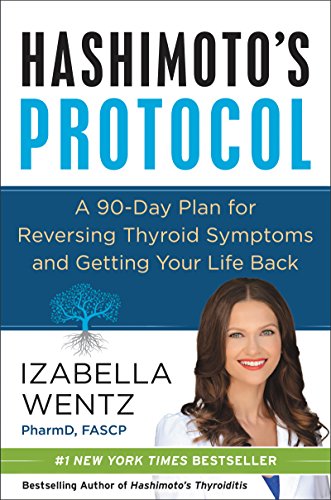
Hashimoto's Protocol: A Groundbreaking Prescription to Reverse Symptoms, Heal Autoimmune Damage, and Reclaim Your Life with Personalized Detox Plans, Nourishing Recipes, and Proven Treatment: Izabella Wentz PharmD
Izabella Wentz is my go to resource for thyroid disease. Her new book, HASHIMOTO’S PROTOCOL, is a user-friendly guide that will help you take charge of your health and heal from Hashimoto’s.” - JJ Vir

Everlywell at
... AT-HOME LAB TESTING: <strong>This easy-to-use, at-home lab test collection kit helps you measure your levels for the 3 main thyroid hormones (TSH, Free T3, and Free T4) plus thyroid antibodies (TP
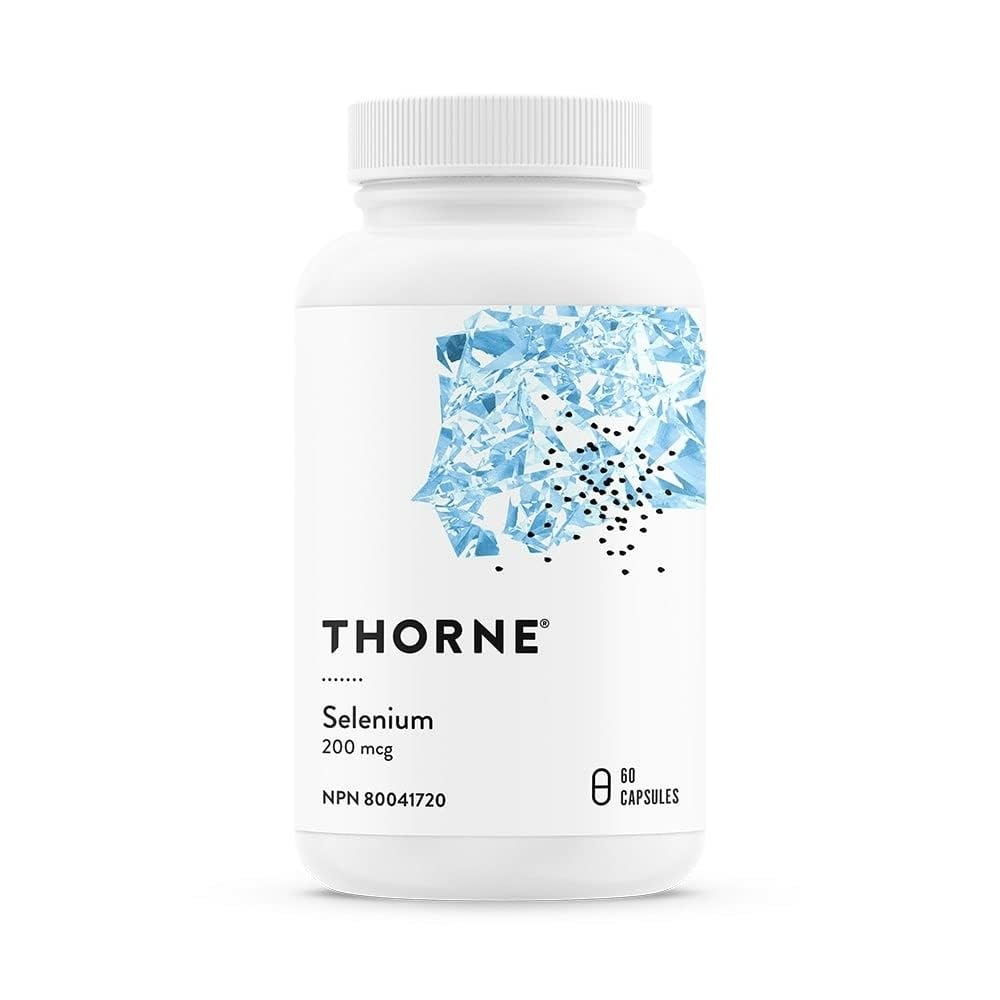
THORNE - Selenium - 200 mcg Selenium Supplement for Antioxidant Support* - 60 Capsules : Everything Else
One Capsule Contains: Selenium (as L-Selenomethionine) 200 mcg.
Evidence & Sources
Promising research with growing clinical support from multiple studies
- American Thyroid Association
- National Institute of Diabetes and Digestive and Kidney Diseases (NIDDK)
- National Center for Complementary and Integrative Health (NCCIH)
- European Thyroid Journal
- Thyroid
- Journal of Clinical Endocrinology & Metabolism
- The Lancet Diabetes & Endocrinology
- World Health Organization (WHO)
This content is for informational purposes only and does not constitute medical advice. Always consult a qualified healthcare provider before starting, stopping, or changing any supplement or medication regimen.