

Hashimoto's Encephalopathy
Overview
Hashimoto's encephalopathy (HE) is a rare, immune-associated neurologic syndrome most often discussed in connection with autoimmune thyroid disease, particularly Hashimoto's thyroiditis. In the medical literature it has also been described as steroid-responsive encephalopathy associated with autoimmune thyroiditis (SREAT), reflecting the observation that many reported patients improve with immunosuppressive treatment. Despite the name, thyroid function itself may be normal, low, or occasionally high, and the condition is generally understood as not being caused simply by abnormal thyroid hormone levels. Instead, it is considered an uncommon disorder in which altered immune activity is associated with episodes of brain dysfunction.
The clinical picture can be broad and variable. Reported symptoms include confusion, memory problems, slowed thinking, seizures, tremor, myoclonus, poor coordination, stroke-like episodes, headaches, sleep disruption, hallucinations, mood changes, psychosis, and fluctuations in alertness. Some people present with a relapsing-remitting course, while others develop a more progressive cognitive or psychiatric syndrome. Because these symptoms overlap with many other neurologic, endocrine, metabolic, infectious, and psychiatric conditions, HE is often considered a diagnosis of exclusion, meaning other causes are typically investigated carefully before the label is applied.
A key feature in many cases is the presence of elevated thyroid autoantibodies, especially anti-thyroid peroxidase (anti-TPO) and sometimes anti-thyroglobulin antibodies. However, these antibodies are not specific to HE and can be found in people with autoimmune thyroid disease who have no neurologic symptoms. This has led to ongoing debate about the exact mechanism of the condition and whether thyroid antibodies are markers of broader immune dysregulation rather than direct causes of brain inflammation. Researchers have explored possibilities including autoimmune vasculitic processes, neuronal antibody-mediated effects, inflammatory cytokine signaling, and blood-brain barrier changes, but no single mechanism has been definitively established.
From a broader health perspective, HE sits at the intersection of neurology, endocrinology, immunology, and psychiatry. Its significance lies less in prevalence than in its potential reversibility when recognized appropriately. At the same time, because the syndrome is uncommon and heterogeneous, the evidence base remains limited compared with more common neurologic diseases. Integrative discussions often focus on whole-person support, symptom burden, stress, sleep, nutrition, and coexistence with other autoimmune patterns, while emphasizing that acute neurologic symptoms warrant prompt medical evaluation and that ongoing care is best coordinated with qualified healthcare professionals.
Medical Perspectives
Two Ways of Seeing Health

Western
scientific · clinical
Western medicine applies science, technology, and clinical experience to treat symptoms through testing, diagnosis, and targeted intervention.

Eastern
traditional · alternative
Eastern medicine focuses on treating the body naturally by applying traditional knowledge practiced for thousands of years, emphasizing balance and whole-person wellness.
Gold Bamboo presents both perspectives side-by-side so you can make informed decisions. We don't advocate for one over the other — your health choices are yours.
Western Medicine Perspective
Western Medicine Perspective
In conventional medicine, Hashimoto's encephalopathy is typically viewed as a rare autoimmune encephalopathy associated with thyroid autoimmunity. Diagnosis usually relies on a combination of factors rather than a single definitive test: encephalopathic symptoms, positive thyroid antibodies, exclusion of alternative causes, and in many cases a clinical response to corticosteroids or other immunotherapy. Workup commonly reported in the literature may include thyroid studies, autoimmune antibody testing, MRI, EEG, cerebrospinal fluid analysis, infectious studies, metabolic panels, and assessment for other autoimmune or paraneoplastic encephalitides. MRI findings may be normal or nonspecific; EEG often shows generalized slowing; cerebrospinal fluid may show mild protein elevation, but none of these findings are unique to HE.
A central challenge in the western literature is diagnostic uncertainty. Thyroid antibodies are common in the general population, particularly among women and older adults, so their presence does not by itself confirm HE. For this reason, many neurologists emphasize careful differentiation from conditions such as autoimmune encephalitis, Creutzfeldt-Jakob disease, CNS vasculitis, seizure disorders, primary psychiatric illness, toxic-metabolic encephalopathy, infections, and thyroid hormone imbalance. The term SREAT is sometimes favored because it describes the observed pattern without implying a fully defined mechanism. Even so, not every reported case is steroid-responsive, and some cases require other immunomodulatory approaches described in case series and reviews.
Conventional management discussions in the literature generally center on immune-directed treatment, correction of any concurrent thyroid dysfunction, and supportive neurologic or psychiatric care. Studies suggest many patients improve with corticosteroids, though relapse can occur and some individuals experience persistent deficits or need longer-term follow-up. Because high-quality randomized trials are lacking, much of the evidence comes from case reports, retrospective series, and expert review articles rather than large controlled studies. As a result, western medicine recognizes HE as a clinically important but still imperfectly defined syndrome that requires individualized evaluation by specialists.
Eastern & Traditional Perspective
Eastern / Traditional Medicine Perspective
In Traditional Chinese Medicine (TCM), a presentation resembling Hashimoto's encephalopathy would not typically be categorized as a single disease entity. Instead, practitioners may interpret the symptom pattern through frameworks such as phlegm misting the mind, liver wind stirring internally, shen disturbance, spleen qi weakness, kidney essence deficiency, or heat-toxin and blood stasis obstructing the channels, depending on the dominant symptoms. Cognitive clouding, emotional instability, tremor, seizures, and fluctuating consciousness may be understood as manifestations of disrupted communication between the Heart, Liver, Spleen, and Kidney systems. Traditional assessment would usually focus on overall constitution, digestion, sleep, stress, emotional balance, and the waxing-and-waning nature often seen in autoimmune illness.
Within Ayurveda, a comparable presentation may be viewed through disturbances involving vata, particularly when neurologic symptoms such as tremor, seizures, insomnia, anxiety, or cognitive fluctuation are prominent. When lethargy, heaviness, slowed thinking, or metabolic sluggishness predominate, kapha and ama concepts may also be considered. Mental and neurocognitive symptoms may be discussed in relation to imbalance in the manovaha srotas (channels of the mind) and depletion of ojas, especially in chronic immune dysregulation. Ayurvedic interpretation is traditionally individualized and may also incorporate digestive health, resilience, sleep quality, and stress burden as contributors to systemic imbalance.
In naturopathic and integrative medicine, HE is often approached as part of a broader pattern of autoimmune dysregulation and neuroinflammation, while recognizing the importance of specialist diagnosis and urgent evaluation of acute symptoms. The integrative lens may place attention on sleep, stress physiology, nutrient status, inflammatory load, gastrointestinal health, and coexisting autoimmune conditions, not as stand-alone explanations but as contributors to overall resilience and symptom burden. Evidence for these supportive frameworks in HE specifically remains limited, and most traditional or integrative approaches are extrapolated from broader autoimmune and neurologic care rather than tested directly in this rare disorder.
Across eastern and traditional systems, the emphasis is generally on pattern recognition, constitutional balance, and whole-person support rather than a single biomarker. Because HE can involve serious neurologic and psychiatric manifestations, traditional perspectives are best understood as complementary conceptual frameworks rather than substitutes for conventional neurologic assessment.
Supplements & Products
Recommended Products
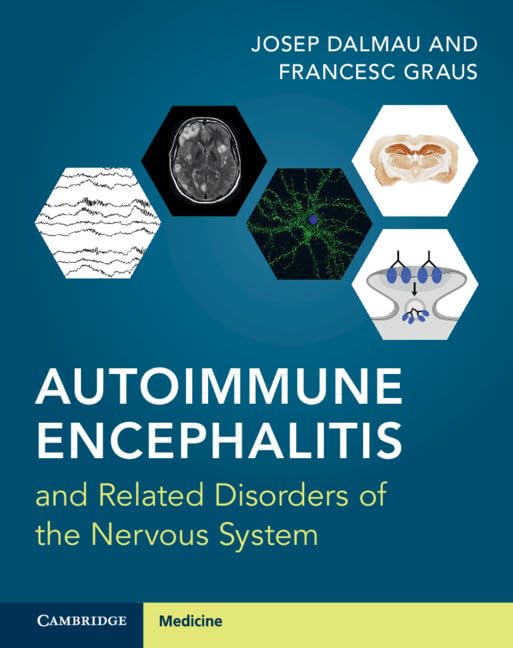
Autoimmune Encephalitis and Related Disorders of the Nervous System
<strong>A comprehensive and practical clinical guide to the differential diagnosis and treatment of autoimmune encephalitis and related disorders</strong>. Josep Dalmau is Professor at the Catalan Ins
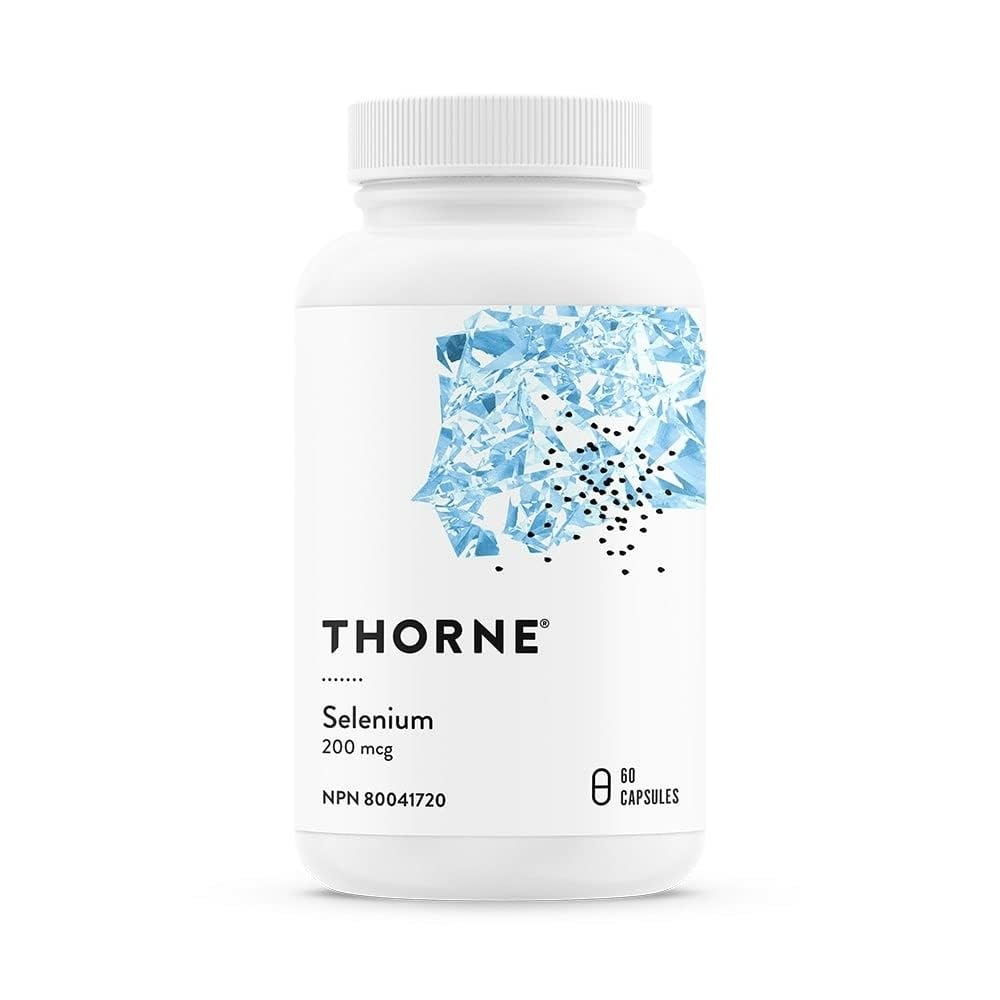
THORNE - Selenium - 200 mcg Selenium Supplement for Antioxidant Support* - 60 Capsules : Everything Else
One Capsule Contains: Selenium (as L-Selenomethionine) 200 mcg.

Nordic Naturals Ultimate Omega, Lemon Flavor - 90 Soft Gels - 1280 mg Omega-3 - High-Potency Omega-3 Fish Oil Supplement with EPA & DHA - Promotes Brain & Heart Health - Non-GMO - 45 Servings
Buy Nordic Naturals Ultimate Omega, Lemon Flavor - 90 Soft Gels - 1280 mg Omega-3 - High-Potency Omega-3 Fish Oil Supplement with EPA & DHA - Promotes Brain & Heart Health - Non-GMO - 45 Servi
Evidence & Sources
Early-stage research, mostly preclinical or preliminary human studies
- Autoimmunity Reviews
- Journal of Neurology, Neurosurgery & Psychiatry
- Lancet Neurology
- Neurology
- StatPearls
- National Organization for Rare Disorders (NORD)
- National Institute of Neurological Disorders and Stroke (NINDS)
- Frontiers in Neurology
This content is for informational purposes only and does not constitute medical advice. Always consult a qualified healthcare provider before starting, stopping, or changing any supplement or medication regimen.