

Graves' Disease
Also known as: Graves Disease, Autoimmune Hyperthyroidism
Overview
Graves' disease is an autoimmune condition in which the immune system produces antibodies that stimulate the thyroid gland, often leading to hyperthyroidism—an overproduction of thyroid hormones. It is the most common cause of hyperthyroidism in many populations and can affect metabolism, heart rate, temperature regulation, mood, sleep, weight, and energy levels. Although it can occur at any age, it is more common in women and often appears in early to middle adulthood. Genetic susceptibility, immune dysregulation, stress, smoking, and other environmental factors are all thought to contribute.
The hallmark mechanism involves thyroid-stimulating immunoglobulins binding to the thyroid-stimulating hormone (TSH) receptor, causing the thyroid to enlarge and produce excess hormone. Common symptoms may include nervousness, tremor, heat intolerance, sweating, unintended weight loss, frequent bowel movements, fatigue, muscle weakness, menstrual changes, and a rapid or irregular heartbeat. Some individuals also develop Graves' ophthalmopathy or thyroid eye disease, which can involve eye dryness, irritation, pressure, swelling, light sensitivity, double vision, or a characteristic prominence of the eyes.
Graves' disease is clinically significant because untreated hyperthyroidism can affect the cardiovascular system, bones, mental health, reproductive health, and overall quality of life. In more severe cases, it may contribute to atrial fibrillation, osteoporosis, or the rare but potentially life-threatening emergency known as thyroid storm. Diagnosis generally relies on a combination of symptoms, physical examination, thyroid function tests, antibody testing, and sometimes imaging or radioactive iodine uptake studies.
Many people with Graves' disease also explore complementary and integrative approaches for symptom support, especially around stress, anxiety, palpitations, sleep disturbance, fatigue, and eye discomfort. While supportive strategies may play a role in overall well-being, Graves' disease is a medically important endocrine disorder that generally requires evaluation and monitoring by qualified healthcare professionals, particularly because symptom severity and complications can vary widely.
Medical Perspectives
Two Ways of Seeing Health

Western
scientific · clinical
Western medicine applies science, technology, and clinical experience to treat symptoms through testing, diagnosis, and targeted intervention.

Eastern
traditional · alternative
Eastern medicine focuses on treating the body naturally by applying traditional knowledge practiced for thousands of years, emphasizing balance and whole-person wellness.
Gold Bamboo presents both perspectives side-by-side so you can make informed decisions. We don't advocate for one over the other — your health choices are yours.
Western Medicine Perspective
Western Medicine Perspective
In conventional medicine, Graves' disease is understood as a systemic autoimmune thyroid disorder driven by antibodies to the TSH receptor. Diagnosis typically includes laboratory findings such as a low TSH with elevated free T4 and/or T3, along with measurement of TSH receptor antibodies or thyroid-stimulating immunoglobulins. Imaging, including radioactive iodine uptake or thyroid ultrasound, may help distinguish Graves' disease from other causes of thyrotoxicosis. Clinicians also assess for goiter, arrhythmias, weight change, neuromuscular symptoms, and signs of thyroid eye disease.
Management in the western model focuses on controlling excess thyroid hormone, reducing symptom burden, and monitoring for complications. Standard approaches may include antithyroid medications, radioactive iodine, or surgery, depending on age, severity, pregnancy status, goiter size, recurrence risk, and patient-specific factors. Symptom-focused care may also be used for tremor or tachycardia. Thyroid eye disease is evaluated separately because it can follow a different course than thyroid hormone abnormalities; smoking cessation is strongly emphasized in medical literature because smoking is associated with worse eye outcomes.
Research also examines the role of selenium status, immune signaling, and lifestyle factors in disease course, especially in mild thyroid eye disease and autoimmune thyroid conditions more broadly. However, evidence for complementary interventions remains variable, and many supplements can affect thyroid function tests, interact with medications, or contain inconsistent amounts of iodine or active compounds. For that reason, integrative support is generally considered adjunctive rather than a replacement for endocrinology care, and clinical monitoring remains central.
Eastern & Traditional Perspective
Eastern / Traditional Medicine Perspective
In Traditional Chinese Medicine (TCM), Graves' disease is not classified as a single disease entity in the modern biomedical sense, but its presentation may be interpreted through patterns involving yin deficiency, liver yang rising, phlegm accumulation, heat, and heart-shen disturbance. Symptoms such as palpitations, anxiety, irritability, insomnia, sweating, tremor, and eye discomfort may be understood as manifestations of internal heat, deficiency, and disturbed qi dynamics. A visible neck swelling may historically be related to categories sometimes translated as goiter disorders. TCM approaches have traditionally used individualized herbal formulas, acupuncture, and dietary patterning according to the person's presentation.
In Ayurveda, symptom patterns resembling hypermetabolic states may be interpreted through imbalances involving aggravated pitta and vata, with depletion, nervous system activation, heat, and tissue weakness featuring prominently in some frameworks. Traditional approaches may emphasize restoring systemic balance, supporting digestion and resilience, and calming overstimulation through herbs, routines, breath practices, and mind-body regulation. Naturopathic and integrative traditions often place added emphasis on stress physiology, sleep quality, nutrient sufficiency, inflammation, and environmental triggers, while acknowledging the need for medical assessment of thyroid hormone excess.
Evidence for eastern and traditional approaches in Graves' disease is still developing. Some studies suggest acupuncture or selected herbal protocols may help with quality of life, stress-related symptoms, or supportive care, but the research base is limited by small sample sizes, heterogeneity, and variable methodology. Traditional systems therefore contribute mainly a whole-person framework—especially around stress modulation, sleep, digestion, and symptom experience—rather than a fully validated standalone treatment pathway for autoimmune hyperthyroidism. Because thyroid hormone excess can have serious consequences, collaboration with licensed healthcare professionals is an important part of safe integrative care.
Supplements & Products
Recommended Products
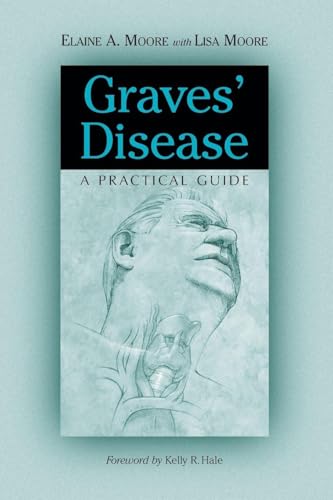
Graves' Disease: A Practical Guide (McFarland Health Topics): Moore, Elaine A.
Elaine A. Moore ... Graves' Disease, <strong>a common form of hyperthyroidism characterized by a goiter and often a slight protrusion of the eyeballs</strong>, currently affects approximately 200
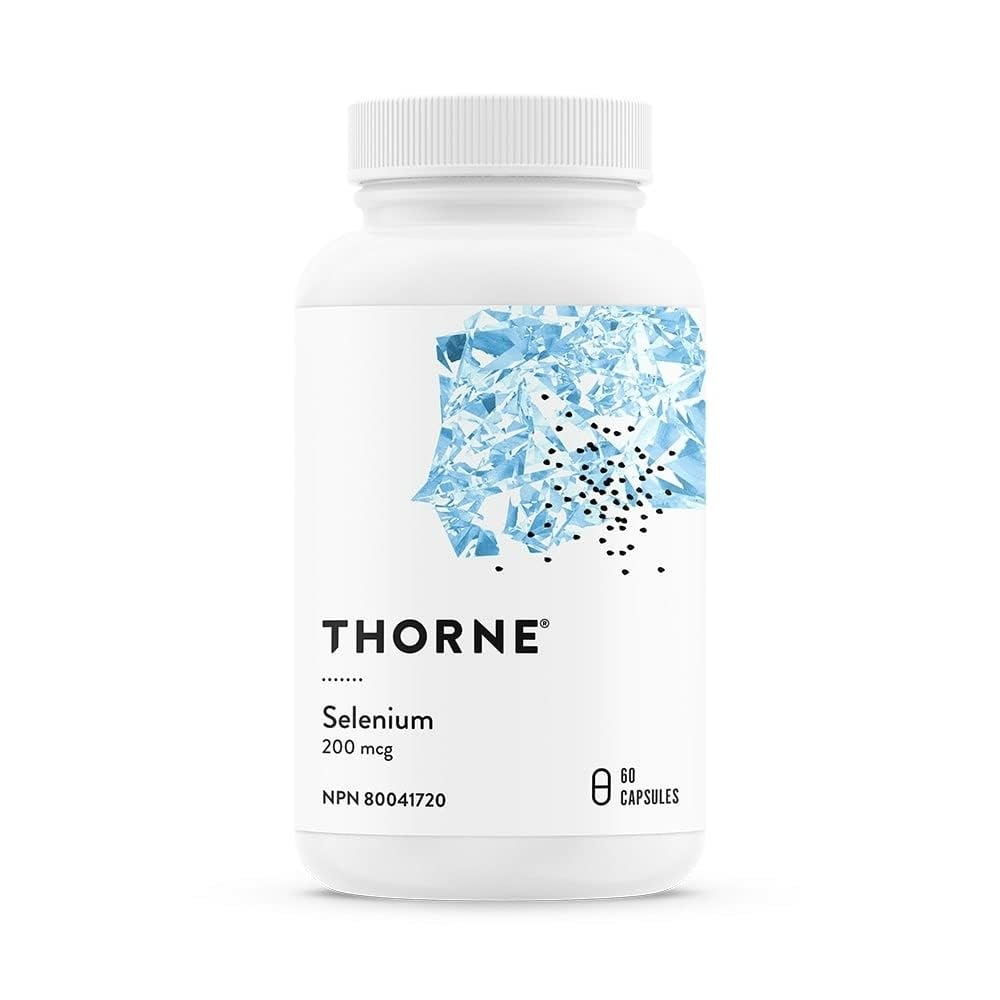
THORNE - Selenium - 200 mcg Selenium Supplement for Antioxidant Support* - 60 Capsules : Everything Else
One Capsule Contains: Selenium (as L-Selenomethionine) 200 mcg.

NOW Foods Supplements, L-Carnitine 1,000 mg, Purest Form, Amino Acid, Fitness Support*, 100 Tablets
Buy NOW Foods Supplements, L-Carnitine 1,000 mg, Purest Form, Amino Acid, Fitness Support*, 100 Tablets on Amazon.com ✓ FREE SHIPPING on qualified orders
Evidence & Sources
Promising research with growing clinical support from multiple studies
- American Thyroid Association
- National Institute of Diabetes and Digestive and Kidney Diseases (NIDDK)
- National Center for Complementary and Integrative Health (NCCIH)
- The Lancet
- New England Journal of Medicine
- Journal of Clinical Endocrinology & Metabolism
- European Thyroid Journal
- Thyroid
- World Health Organization
This content is for informational purposes only and does not constitute medical advice. Always consult a qualified healthcare provider before starting, stopping, or changing any supplement or medication regimen.