

Glaucoma Herbal Remedies
Overview
Glaucoma is a group of eye disorders characterized by progressive damage to the optic nerve, often associated with elevated intraocular pressure (IOP), though it can also occur at normal pressure levels. It is one of the leading causes of irreversible blindness worldwide. The major forms include primary open-angle glaucoma, angle-closure glaucoma, and secondary glaucomas linked to other eye or systemic conditions. Because early glaucoma often causes few symptoms, many people are unaware of the condition until vision loss has already occurred.
Interest in herbal remedies for glaucoma generally centers on whether plant-based therapies may help support eye health, circulation, oxidative stress balance, or pressure regulation. Commonly discussed herbs and natural compounds include Ginkgo biloba, bilberry, coleus forskohlii-derived forskolin, cannabis-related compounds, turmeric/curcumin, and antioxidant-rich botanicals. In both popular and traditional health systems, these remedies are often framed as supportive approaches rather than stand-alone solutions.
From an evidence-based standpoint, glaucoma is a condition where vision loss prevention depends heavily on timely diagnosis and ongoing monitoring. Conventional care focuses on lowering IOP and protecting the optic nerve, while research into herbal therapies remains more limited and uneven. Some natural compounds have been studied for mechanisms such as improved ocular blood flow, neuroprotection, antioxidant activity, or aqueous humor dynamics, but the quality of evidence varies, and findings are not consistent enough to position herbs as established primary therapy.
A balanced discussion of glaucoma herbal remedies therefore requires two key realities to be held together: traditional medicine systems have long used plant-based approaches to support visual function, and modern ophthalmology regards glaucoma as a condition requiring specialist evaluation because delays in effective care can result in permanent vision loss. Any exploration of herbal options is best understood in the context of informed care, quality control concerns, possible herb-drug interactions, and the need for guidance from qualified healthcare professionals.
Western Medicine Perspective
Western Medicine Perspective
In conventional medicine, glaucoma is understood primarily as a progressive optic neuropathy influenced by factors such as elevated intraocular pressure, age, family history, vascular factors, corneal thickness, and anatomical eye characteristics. Standard management is centered on lowering IOP through prescription eye drops, laser procedures, or surgery, with regular monitoring of the optic nerve, visual fields, and retinal nerve fiber layer. The central concern in western ophthalmology is that lost vision cannot usually be restored, making early detection especially important.
Research on herbal remedies has explored several biologically plausible pathways. Ginkgo biloba has been studied for its potential effects on ocular blood flow and oxidative stress, particularly in normal-tension glaucoma, though results remain mixed and not definitive. Forskolin, derived from Coleus forskohlii, has attracted interest because it may influence aqueous humor production and IOP. Curcumin and other antioxidant compounds have been investigated in preclinical models for possible neuroprotective effects. However, much of this literature is small-scale, mechanistic, animal-based, or preliminary rather than practice-changing.
Conventional medicine also raises important safety concerns. Herbal products may vary in potency, purity, and contamination risk, and some can interact with anticoagulants, blood pressure medicines, sedatives, or ophthalmic therapies. Cannabis and cannabinoid-related products, while historically discussed in relation to lowering IOP, are not generally viewed as practical long-term glaucoma management because effects may be short-lived and accompanied by systemic adverse effects. Overall, western medicine considers herbal approaches adjunctive and investigational at most, not replacements for established glaucoma care.
Eastern & Traditional Perspective
Eastern/Traditional Medicine Perspective
In Traditional Chinese Medicine (TCM), glaucoma-like patterns are not always framed as a single disease category identical to modern ophthalmology, but visual disturbance and eye pressure-related symptoms may be interpreted through patterns involving the Liver, Kidney, phlegm, fire, blood stasis, or qi stagnation. Traditional approaches often aim to nourish Liver and Kidney yin, invigorate blood circulation, clear heat, and calm internal wind, depending on the individual presentation. Herbs historically associated with eye support in TCM traditions include Gou Qi Zi (Lycium barbarum), Ju Hua (Chrysanthemum morifolium), Dan Shen (Salvia miltiorrhiza), and formulas selected according to pattern differentiation rather than a one-herb-for-one-disease model.
In Ayurveda, glaucoma is sometimes discussed in relation to disturbances of dosha balance, especially involving Vata and Pitta, with emphasis on preserving vision, calming inflammation-like processes, and supporting ocular tissues. Traditional herbal substances used in broader eye-support contexts may include Triphala, turmeric, amla, and other rasayana-oriented botanicals. As with TCM, the traditional framework is individualized and often includes diet, lifestyle, cleansing practices, and whole-person assessment rather than focusing narrowly on intraocular pressure alone.
In naturopathic and integrative traditions, glaucoma herbal remedies are typically viewed through lenses such as oxidative stress reduction, microcirculation support, mitochondrial health, and neuroprotection. Botanicals like ginkgo, bilberry, green tea constituents, and curcumin are often discussed for these reasons. Still, even within integrative practice, glaucoma is commonly recognized as a condition that warrants co-management with ophthalmology because traditional support strategies do not replace the need for objective measurement of eye pressure and optic nerve status.
Overall, eastern and traditional systems contribute a holistic framework for understanding eye health, constitutional patterns, and supportive herbal strategies. Their strength lies in individualized, systems-based interpretation; their limitation in glaucoma is that modern evidence has not yet clearly established that these remedies alone can prevent disease progression or preserve vision to the degree expected from standard ophthalmic treatment.
Supplements & Products
Recommended Products

Natural Eye Care: Your Guide to Healthy Vision and Healing - Kindle edition by Grossman, Dr. Marc. Reference Kindle eBooks @ Amazon.com.
Natural Eye Care, Your Guide to ... Edson, M.S., L.A.c, is <strong>a landmark guide written to empower readers of every age to support and preserve healthy vision through the health of the whole body<
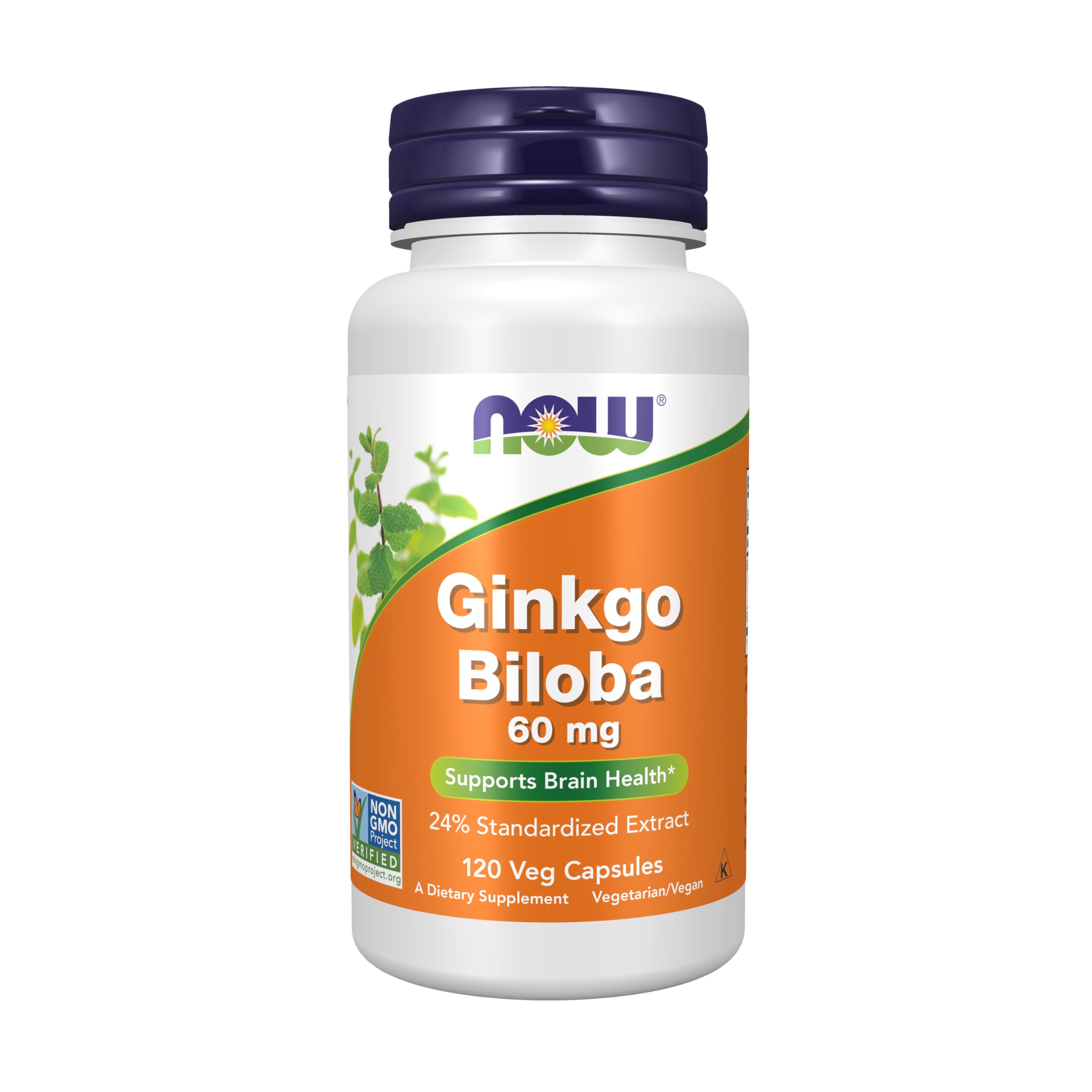
NOW Foods Supplements, Ginkgo Biloba 60 mg, 24% Standardized Extract, Non-GMO Project Verified, 60 Veg Capsules
24% ginkgoflavonglycosides and 6% terpene lactones. <strong>The extract comes from the leaves of the famous Ginkgo tree with its dynamic history of populating the earth for millions of years</strong>.

Jarrow Formulas Citicoline CDP 250 MG, CDP Choline Supplements, Support Brain Health, Performance and Memory, 120 Capsules, Up to a 120 Day Supply
<strong>Brain Health, Performance and Memory support supplement</strong>: Contains one 120 count bottle of Jarrow Formulas Citicoline CDP Choline 250 mg Capsules for a 60- to 120-day supply.
Evidence & Sources
Promising research with growing clinical support from multiple studies
- American Academy of Ophthalmology
- National Eye Institute (NIH)
- National Center for Complementary and Integrative Health (NCCIH)
- Cochrane Database of Systematic Reviews
- JAMA Ophthalmology
- Ophthalmology
- Investigative Ophthalmology & Visual Science
- World Health Organization
- Graefe's Archive for Clinical and Experimental Ophthalmology
This content is for informational purposes only and does not constitute medical advice. Always consult a qualified healthcare provider before starting, stopping, or changing any supplement or medication regimen.