

Gastroesophageal Reflux Disease (GERD) / Acid Reflux
Also known as: Gastroesophageal Reflux Disease (GERD)
Overview
Gastroesophageal Reflux Disease (GERD), often called acid reflux when describing its most familiar symptom pattern, is a chronic digestive condition in which stomach contents move backward into the esophagus. This reflux can expose the esophageal lining to acid, digestive enzymes, and sometimes bile, leading to symptoms such as heartburn, regurgitation, sour taste, chest discomfort, chronic cough, throat irritation, or hoarseness. While occasional reflux is common, GERD generally refers to more frequent or persistent reflux that affects quality of life and may contribute to tissue injury over time.
GERD is highly prevalent worldwide and is one of the most commonly recognized gastrointestinal disorders in primary care and gastroenterology. Research suggests prevalence varies by region, diet, body weight patterns, age, and diagnostic criteria, but it affects a substantial share of adults globally. In addition to classic symptoms, some people experience so-called extra-esophageal manifestations, including chronic cough, laryngitis, dental enamel erosion, asthma exacerbation, or a sensation of a lump in the throat. Because chest discomfort can overlap with cardiac symptoms, conventional evaluation often emphasizes careful assessment when symptoms are atypical.
From a physiological perspective, GERD is commonly linked to dysfunction of the lower esophageal sphincter (LES), the muscular valve that normally helps prevent backward flow from the stomach. Other contributing factors may include hiatal hernia, delayed gastric emptying, impaired esophageal clearance, abdominal pressure related to obesity, pregnancy, and dietary or lifestyle triggers. The condition exists on a spectrum: some individuals have bothersome symptoms without visible esophageal injury, while others develop erosive esophagitis, peptic stricture, or Barrett's esophagus, a precancerous change associated with longstanding reflux.
In both conventional and traditional medical frameworks, GERD is generally understood as a multifactorial condition influenced by digestion, stress, body constitution, meal patterns, and environmental factors. Because symptoms can mimic or overlap with cardiac, pulmonary, or upper gastrointestinal disorders, evaluation by a qualified healthcare professional is important, especially when reflux is persistent, worsening, or associated with alarm features such as difficulty swallowing, bleeding, weight loss, recurrent vomiting, or anemia.
Western Medicine Perspective
Western Medicine Perspective
In conventional medicine, GERD is understood primarily as a disorder of reflux physiology rather than acid alone. Studies indicate that transient relaxation or weakness of the lower esophageal sphincter, anatomical factors such as hiatal hernia, impaired esophageal motility, and delayed gastric emptying can all increase exposure of the esophagus to refluxed contents. Clinicians often distinguish between nonerosive reflux disease (NERD), reflux hypersensitivity, and erosive GERD, since these categories may differ in symptom burden and endoscopic findings. Diagnostic evaluation may include clinical history, response to acid-suppressing therapy, upper endoscopy, ambulatory pH or impedance monitoring, and in selected cases esophageal manometry.
Conventional management typically focuses on reducing esophageal exposure to reflux and preventing complications. Common approaches include lifestyle and behavioral measures such as weight reduction in overweight individuals, meal timing adjustments, avoiding lying down soon after eating, and identifying symptom-associated foods or patterns. Pharmacologic therapy often involves antacids, alginate formulations, H2-receptor antagonists, or proton pump inhibitors (PPIs), depending on symptom severity and clinical context. PPIs are among the best-studied therapies for healing erosive esophagitis and reducing acid production, though long-term use is generally weighed against potential risks and monitored appropriately by healthcare professionals.
When symptoms persist despite standard therapy, clinicians may investigate refractory reflux, functional heartburn, eosinophilic esophagitis, motility disorders, or non-acid reflux. In selected cases, procedural or surgical options such as fundoplication or magnetic sphincter augmentation may be considered within specialist care. Conventional medicine also places strong emphasis on surveillance and risk stratification for complications including Barrett's esophagus, esophageal stricture, and, less commonly, esophageal adenocarcinoma. Because chest pain and throat symptoms can have many causes, medical evaluation remains important for accurate diagnosis.
Eastern & Traditional Perspective
Eastern / Traditional Medicine Perspective
In Traditional Chinese Medicine (TCM), GERD-like symptoms are not defined as a single disease entity in the modern biomedical sense, but are often interpreted through patterns such as rebellious Stomach qi, Liver qi stagnation invading the Stomach, Spleen weakness with phlegm-damp accumulation, or heat in the Stomach. Symptoms such as acid regurgitation, belching, epigastric fullness, irritability, and symptom flares during stress are traditionally understood as reflecting disruptions in the normal descending function of the stomach. TCM approaches historically aim to restore harmonious qi movement, clear heat when present, and support digestive function according to the individual's pattern presentation.
Traditional East Asian medicine may use acupuncture, moxibustion, dietary patterning, and classical herbal formulas selected according to syndrome differentiation. Modern research on acupuncture for reflux symptoms is growing, and some studies suggest potential benefit for symptom reduction or quality of life, especially as an adjunctive approach, but the evidence remains heterogeneous and not as strong as for standard pharmacologic therapy. Herbal approaches are also under study, though formulation quality, trial design, and product standardization vary considerably.
In Ayurveda, reflux-type symptoms are often discussed in relation to imbalances involving Pitta—particularly excess heat and sharpness in digestion—and sometimes disturbed Vata affecting the direction and regulation of digestive movement. Classical descriptions may overlap with conditions involving sour belching, burning sensation, nausea, and indigestion. Ayurvedic interpretation often considers not only food qualities but also eating rhythm, emotional strain, sleep patterns, and overall digestive resilience. Management in this framework traditionally centers on cooling, soothing, and digestive-balancing measures tailored to constitution and symptom pattern.
In naturopathic and integrative medicine, GERD is often viewed through a broader lens that includes diet, stress physiology, body weight, sleep position, gut motility, and sometimes microbiome-related factors. Integrative clinicians may discuss botanical demulcents, mind-body strategies, and individualized nutrition assessment, although evidence quality varies widely by modality. Across traditional systems, it is generally emphasized that persistent reflux, painful swallowing, gastrointestinal bleeding, or unexplained weight loss warrants conventional medical evaluation to rule out structural disease and complications.
Supplements & Products
Recommended Products
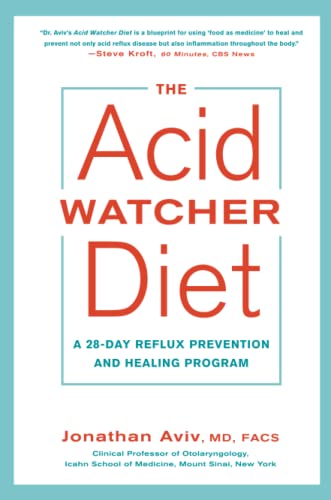
The Acid Watcher Diet: A 28-Day Reflux Prevention and Healing Program: Aviv MD FACS, Jonathan
Jonathan Aviv, <strong>a leading authority on the diagnosis and treatment of acid reflux disease</strong>, helps readers identify those often misunderstood symptoms while providing a proven solution f

Gaviscon Gaviscon Extra Strength Liquid Fruit | Long-Lasting Acid Reflux and Heartburn Relief | 340ml 1 Count
Medicinal Ingredients: <strong>375 mg Sodium Alginate (Derived from Brown Seaweed),</strong> 150 mg Calcium Carbonate, 150 mg Aluminum Hydroxide/ Teaspoon (5 ml).

MedCline Reflux Relief System, Bed Wedge Pillow for Acid Reflux and GERD Relief, Therapeutic Body Pillow with Insert and Covers, Inclined Sleep Position with Arm Pocket, Large for 6'0" or Taller
<strong>It includes an acid reflux and GERD pillow, body pillow, small inserts, and removable, washable covers</strong>. Size large system fits individuals 6’0” or taller in height. Wedge dimensions a
Evidence & Sources
Promising research with growing clinical support from multiple studies
- American College of Gastroenterology (ACG) Clinical Guideline for Gastroesophageal Reflux Disease
- American Gastroenterological Association (AGA) Clinical Practice Updates
- National Institute of Diabetes and Digestive and Kidney Diseases (NIDDK)
- National Center for Complementary and Integrative Health (NCCIH)
- World Gastroenterology Organisation Global Guidelines
- The New England Journal of Medicine
- Gut
- The American Journal of Gastroenterology
This content is for informational purposes only and does not constitute medical advice. Always consult a qualified healthcare provider before starting, stopping, or changing any supplement or medication regimen.