

Gallbladder Disease
Also known as: Gallbladder Problems, Biliary Disease
Overview
Gallbladder disease is a broad term describing conditions that affect the gallbladder, a small organ beneath the liver that stores and concentrates bile. Bile helps emulsify dietary fats and supports digestion and absorption of fat-soluble nutrients. Gallbladder problems most commonly include gallstones (cholelithiasis), gallbladder inflammation (cholecystitis), impaired emptying or biliary dyskinesia, and less commonly obstruction of the bile ducts, infection, or malignancy. These disorders can interfere with normal bile flow and are often associated with upper abdominal pain, nausea, bloating, indigestion, and symptoms that may seem worse after fatty meals.
Gallbladder disease is common worldwide, particularly gallstones. Epidemiologic research suggests that gallstones affect a substantial portion of adults, though many people remain asymptomatic. Risk tends to vary by age, sex, body weight, metabolic health, genetics, pregnancy history, and dietary patterns. While some gallbladder conditions remain silent for years, others can become acute and clinically significant, especially when a stone blocks bile flow or inflammation develops. In more serious cases, complications may involve infection, pancreatitis, or jaundice.
From a digestive health perspective, gallbladder disease matters because it sits at the intersection of fat digestion, liver-biliary function, inflammation, and abdominal pain syndromes. Symptoms can overlap with reflux, peptic disorders, irritable bowel symptoms, liver disease, and pancreatic disease, which is one reason proper medical evaluation is important. Conventional medicine focuses on identifying structural disease, inflammation, blockage, and complications. Integrative and traditional systems often view gallbladder dysfunction within broader patterns involving digestion, stagnation, diet, stress, and constitutional imbalance.
Interest in natural support commonly centers on digestion, bile flow, abdominal discomfort, and diet-related symptom patterns. Research in this area is mixed: there is strong conventional evidence for diagnosis and management of gallstones and acute gallbladder disease, but less high-quality evidence for many complementary approaches marketed for “gallbladder support.” Because abdominal pain can sometimes reflect a medical emergency, discussions of natural care are generally framed as supportive and individualized, with attention to clinician oversight when symptoms are severe, persistent, or accompanied by fever, vomiting, or jaundice.
Medical Perspectives
Two Ways of Seeing Health

Western
scientific · clinical
Western medicine applies science, technology, and clinical experience to treat symptoms through testing, diagnosis, and targeted intervention.

Eastern
traditional · alternative
Eastern medicine focuses on treating the body naturally by applying traditional knowledge practiced for thousands of years, emphasizing balance and whole-person wellness.
Gold Bamboo presents both perspectives side-by-side so you can make informed decisions. We don't advocate for one over the other — your health choices are yours.
Western Medicine Perspective
Western / Conventional Medicine Perspective
In conventional medicine, gallbladder disease is usually understood in terms of mechanical obstruction, altered bile composition, impaired motility, and inflammation. Gallstones often form when bile contains excess cholesterol, bilirubin abnormalities, or reduced gallbladder emptying. Some people have stones without symptoms, while others develop classic biliary colic: episodic right upper abdominal or upper central pain, often after meals, sometimes radiating to the back or right shoulder. Acute cholecystitis generally refers to inflammation, most often triggered by cystic duct obstruction. Additional gallbladder disorders include biliary sludge, acalculous cholecystitis, functional gallbladder disorder, choledocholithiasis, and gallstone-related pancreatitis.
Diagnosis typically involves a history and physical exam, blood tests, and imaging such as ultrasound, which is often the first-line study. In some cases, clinicians use HIDA scanning to assess gallbladder function, MRCP or endoscopic procedures to evaluate the biliary tree, and laboratory markers to look for infection, liver involvement, or pancreatic inflammation. Management depends on the condition and severity. Asymptomatic gallstones may simply be monitored, whereas symptomatic stones, recurrent attacks, or acute inflammation are often managed surgically with cholecystectomy. Bile duct obstruction, infection, or pancreatitis may require urgent intervention. Conventional literature generally does not support unverified “gallbladder cleanse” protocols as a substitute for evaluation, particularly when acute symptoms are present.
Lifestyle and supportive measures in conventional care are often discussed in relation to weight stability, metabolic health, and dietary tolerance, though evidence varies by context. Rapid weight loss is a recognized risk factor for gallstones, while obesity, diabetes, and dyslipidemia are also associated with higher risk. Some observational research suggests that long-term dietary patterns rich in fiber and healthy fats, with lower refined carbohydrate burden, may be associated with lower gallstone risk, but these findings do not replace individualized medical assessment. For patients who have undergone gallbladder removal, most digest normally over time, though some experience temporary changes in fat tolerance or bowel habits.
Eastern & Traditional Perspective
Eastern / Traditional Medicine Perspective
In Traditional Chinese Medicine (TCM), gallbladder disorders are not viewed solely as isolated organ pathology but as part of a broader network involving the Liver-Gallbladder system, digestion, emotional constraint, and the smooth flow of qi. Symptom patterns that may resemble gallbladder disease are often categorized under patterns such as Liver and Gallbladder damp-heat, qi stagnation, or phlegm accumulation. From this perspective, rib-side or upper abdominal pain, bitter taste, nausea, bloating, irritability, or alternating digestive symptoms may reflect disrupted movement and transformation rather than only a structural lesion. Traditional therapies have historically aimed to clear damp-heat, move stagnant qi, harmonize digestion, and support bile-related function according to the individual pattern.
In Ayurveda, symptoms associated with gallbladder dysfunction may be interpreted through imbalances involving pitta, impaired digestive fire (agni), and accumulation of metabolic waste products (ama). Sharp or burning digestive discomfort, nausea, bitter taste, and sensitivity to rich foods may be described in ways consistent with excess heat or disturbed bile-like functions. Ayurvedic frameworks often place strong emphasis on constitution, meal rhythm, digestive resilience, and the relationship between liver-biliary function and systemic balance. Herbal traditions in South Asian and Western naturopathic practice have historically included bitter botanicals and digestive supports intended to stimulate digestive secretions, though modern evidence for specific use in confirmed gallbladder disease remains limited.
Across naturopathy, herbalism, and integrative digestive care, there is longstanding traditional interest in bitters, cholagogues, carminatives, and anti-inflammatory herbs for digestive comfort and bile flow. However, this area requires caution. Herbs or supplements that increase bile movement may not be appropriate in the setting of active obstruction, acute inflammation, or severe pain, and many traditional practices are supported more by historical use than by robust clinical trials in diagnosed gallbladder disease. For that reason, eastern and traditional approaches are best understood as pattern-based and supportive frameworks, not replacements for evaluation when gallstones, infection, or biliary blockage are possible.
Supplements & Products
Recommended Products

Digestive Wellness: Strengthen the Immune System and Prevent Disease Through Healthy Digestion, Fifth Edition: LIPSKI, Elizabeth
Digestive Wellness: <strong>Strengthen the Immune System and Prevent Disease Through Healthy Digestion</strong>, Fifth Edition [LIPSKI, Elizabeth] on Amazon.com. *FREE* shipping on qualifying offers.

Jarrow Formulas, Bile Acid Factors, 90 Capsules. Pack of 2 bottles.
DOUBLE VALUE PACK! You are buying TWO of Jarrow Bile Acid Factors 333 mg, 90 caps Bile Acid Factors <strong>consists of a mixture of highly concentrated bile acids (also called bile salts), mostly in
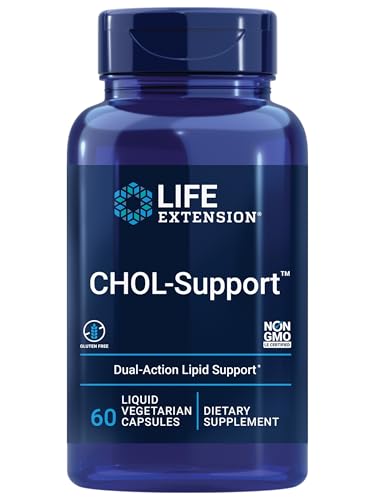
Life Extension CHOL-Support™, Helps Maintain Already Healthy Cholesterol, Heart Health, Artichoke Leaf Extract, Vitamin B5 pantethine, Gluten-Free, Non-GMO, Vegetarian, 60 Capsules
It <strong>contains 300 mg of pantethine (vitamin B5) and 250 mg of artichoke leaf extract</strong>, clinically studied to help promote cardiovascular health, encourage an optimum balance of “good and
Evidence & Sources
Promising research with growing clinical support from multiple studies
- National Institute of Diabetes and Digestive and Kidney Diseases (NIDDK)
- National Center for Complementary and Integrative Health (NCCIH)
- World Gastroenterology Organisation Global Guidelines
- American College of Gastroenterology
- Society of American Gastrointestinal and Endoscopic Surgeons (SAGES)
- The Lancet
- New England Journal of Medicine
- BMJ
- American Family Physician
- World Journal of Gastroenterology
This content is for informational purposes only and does not constitute medical advice. Always consult a qualified healthcare provider before starting, stopping, or changing any supplement or medication regimen.