

Epilepsy (Alternative and Integrative Medicine)
Overview
Epilepsy is a chronic neurologic condition characterized by a tendency toward recurrent, unprovoked seizures, which result from abnormal electrical activity in the brain. It is one of the most common serious neurologic disorders worldwide, affecting people across all ages, though causes, seizure patterns, and associated health concerns vary widely. Some individuals have rare, well-controlled seizures, while others live with frequent episodes, cognitive or mood-related effects, sleep disruption, injury risk, and major impacts on education, driving, employment, and quality of life.
Seizures themselves are not a single phenomenon but a broad spectrum. They may be focal (originating in one area of the brain) or generalized (involving broader brain networks from onset), and symptoms can range from brief staring spells or sensory changes to convulsions, loss of awareness, or sudden falls. Epilepsy may arise from genetic factors, structural brain injury, stroke, developmental conditions, infections, autoimmune processes, metabolic abnormalities, or remain of unknown cause. In addition to seizures, many people with epilepsy experience coexisting concerns such as anxiety, depression, migraine, sleep disturbance, medication side effects, and social stigma.
Within alternative and integrative medicine, epilepsy is typically approached as a condition requiring careful coordination with standard neurological care rather than as a disorder best managed in isolation. Integrative approaches often focus on areas that may influence seizure threshold or overall well-being, such as sleep, stress regulation, nutrition, mind-body practices, psychosocial support, and management of medication-related adverse effects. Interest also exists in traditional herbal systems, acupuncture, biofeedback, and dietary strategies; however, the strength of evidence varies substantially, and safety is a central concern because some supplements or herbs may interact with antiseizure medications or, in some cases, potentially lower seizure threshold.
A balanced discussion of epilepsy in integrative medicine therefore involves two parallel realities: first, conventional diagnosis and antiseizure treatment remain the foundation of care for most patients; second, complementary strategies may play a meaningful supportive role for select individuals when used with informed medical oversight. Research suggests that the most responsible integrative framework emphasizes individualized assessment, medication adherence, seizure trigger identification, mental health support, and cautious evaluation of adjunctive therapies rather than unsupported claims of cure.
Western Medicine Perspective
Western Medicine Perspective
In conventional medicine, epilepsy is understood as a disorder of brain excitability and network dysfunction. Diagnosis is based on clinical history, witness descriptions, neurologic evaluation, and often electroencephalography (EEG) and brain imaging such as MRI. Clinicians classify seizure type and epilepsy syndrome because these distinctions influence prognosis, treatment choice, and counseling. Standard care also considers precipitating factors such as sleep deprivation, alcohol withdrawal, fever, flashing lights in susceptible individuals, metabolic disturbances, and missed medication doses.
The primary treatment approach involves antiseizure medications (ASMs), selected according to seizure type, age, comorbidities, reproductive considerations, and side-effect profile. For some patients whose seizures remain uncontrolled, additional options may include epilepsy surgery, vagus nerve stimulation, responsive neurostimulation, deep brain stimulation, or medically supervised dietary therapy such as the ketogenic diet. Western medicine also places major emphasis on injury prevention, sudden unexpected death in epilepsy (SUDEP) risk discussion, psychiatric screening, and the management of social and cognitive consequences.
From an integrative standpoint, conventional clinicians increasingly recognize that epilepsy outcomes are influenced not only by medication efficacy but also by sleep quality, stress burden, mood disorders, adherence challenges, and lifestyle stability. Research indicates that some complementary approaches—particularly mind-body interventions, psychological support, and certain dietary strategies—may help improve quality of life or seizure-related self-management in some patients. At the same time, major neurology and epilepsy organizations caution that evidence for many supplements, herbal products, and alternative therapies remains limited, inconsistent, or methodologically weak. Safety concerns include drug-herb interactions, contamination of supplements, delayed access to evidence-based care, and therapies that may provoke seizures in vulnerable individuals.
As a result, the Western integrative model is generally conservative: complementary practices may be considered adjunctive, especially for stress reduction, sleep support, and coping, but they are not viewed as substitutes for appropriate neurologic evaluation and evidence-based treatment.
Eastern & Traditional Perspective
Eastern and Traditional Medicine Perspective
In Traditional Chinese Medicine (TCM), epilepsy has historically been described in patterns often related to "wind," phlegm, heat, and disturbances of the spirit (Shen), though pattern differentiation varies by practitioner and clinical presentation. Traditional texts and modern TCM practice may interpret seizures through imbalances affecting the Liver, Heart, Spleen, or Kidney systems, with treatment approaches tailored to the individual pattern rather than the biomedical diagnosis alone. Common modalities include acupuncture, moxibustion, herbal formulas, dietary patterning, and regulation of sleep and emotional strain. Contemporary research on acupuncture for epilepsy remains mixed; some studies suggest possible benefits in symptom burden or quality-of-life measures, but overall evidence is not considered definitive.
In Ayurveda, seizure disorders are often discussed under the concept of Apasmara, traditionally associated with disturbances involving the mind, consciousness, and doshic imbalance. Ayurvedic approaches may include herbal preparations, diet and routine regulation, breathing practices, meditation, and purification therapies, all framed within a broader constitutional assessment. As with TCM, this system tends to emphasize restoring systemic balance, calming the nervous system, and addressing contributing factors such as digestion, stress, sleep, and mental-emotional disturbance. Modern clinical evidence for Ayurvedic interventions in epilepsy is still limited, and product quality, standardization, and interaction risk remain important concerns.
In naturopathic and other traditional/integrative systems, epilepsy is often approached through support of overall neurologic resilience: attention may be given to trigger reduction, nutrient status, inflammatory balance, stress physiology, and gut-brain connections. Modalities sometimes explored include biofeedback, mindfulness, yoga, breathing exercises, and individualized nutrition, with the strongest integrative rationale generally lying in supportive care rather than direct anticonvulsant effect. Some mind-body approaches may help with anxiety, autonomic regulation, and perceived quality of life; however, vigorous breathing practices, sleep disruption, or unsupervised fasting may be inappropriate for some individuals with seizure vulnerability.
Across traditional systems, the most credible contemporary interpretation is that these approaches may offer contextual, supportive, and quality-of-life benefits for some people when coordinated with neurologic care. Claims that traditional therapies alone reliably control epilepsy are not well supported by current high-quality evidence, and consultation with qualified healthcare professionals is important before combining herbs, supplements, or intensive traditional treatments with prescription antiseizure therapy.
Supplements & Products
Recommended Products
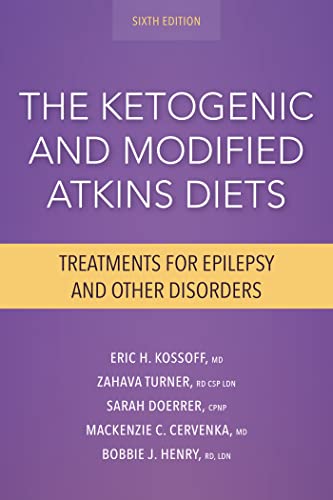
The Ketogenic and Modified Atkins Diets: Treatments for Epilepsy and Other Disorders: Kossoff MD, Eric, Turner RD CSP LDN, Zahava, Doerrer CPNP, Sarah, Cervenka MD, Mackenzie C., Barron RD LDN, Bobbie J.
by Eric Kossoff MD (Author), Zahava ... edition, The Ketogenic and Modified Atkins Diets is <strong>the established, authoritative book on these groundbreaking epilepsytreatments</strong>....

Sports Research Organic MCT Oil - Keto & Vegan MCTs C8, C10 from Coconuts - Fatty Acid Brain & Body Fuel, Non-GMO & Gluten Free - Flavorless Oil, Perfect in Coffee, Tea & Protein Shakes - 32 oz
Caprylic Acid (C8. 0), Capric Acid (C10. 0), INGREDIENTS. Organic MCT oil (from organic coconut oil)., CONTAINS. Tree nuts (coconut). As a Dietary Supplement begin by using 1 tablespoon per day until

KETO-MOJO GK+ Bluetooth Glucose & Ketone Testing Kit + Free APP for Ketosis & Diabetes Support. 20 Blood Test Strips (10 Each), Meter, 20 Lancets, Lancing Device, and Control Solutions
CLINICAL-GRADE KETONE & GLUCOSE TESTING The GK+ Meter <strong>delivers fast, accurate readings for both ketones and glucose</strong>. Trusted by healthcare professionals and used in over 100 clini
Evidence & Sources
Promising research with growing clinical support from multiple studies
- World Health Organization (WHO)
- National Institute of Neurological Disorders and Stroke (NINDS)
- International League Against Epilepsy (ILAE)
- Epilepsia
- Neurology
- Cochrane Database of Systematic Reviews
- National Center for Complementary and Integrative Health (NCCIH)
- American Epilepsy Society
This content is for informational purposes only and does not constitute medical advice. Always consult a qualified healthcare provider before starting, stopping, or changing any supplement or medication regimen.