

Eczema (Atopic Dermatitis) & Psoriasis
Overview
Eczema (atopic dermatitis) and psoriasis are two of the most common chronic inflammatory skin conditions, but they are distinct disorders with different underlying biology, patterns, and clinical behavior. Atopic dermatitis is typically associated with skin barrier dysfunction, immune hypersensitivity, itching, and recurrent flares, often beginning in childhood and frequently occurring alongside asthma, allergic rhinitis, or food allergy. Psoriasis is an immune-mediated disease marked by accelerated skin cell turnover, usually presenting as well-demarcated, scaly plaques and, in some people, involving the nails or joints.
Although both conditions can cause redness, dryness, scaling, discomfort, sleep disruption, and reduced quality of life, their triggers and immune pathways differ. Atopic dermatitis is often linked to barrier impairment, environmental irritants, allergens, climate, stress, and microbial imbalance, while psoriasis is more commonly associated with genetic predisposition, immune dysregulation, infection, certain medications, obesity, smoking, alcohol use, and psychological stress. In practice, symptoms may overlap enough that careful clinical evaluation is needed, especially in mild cases or in people with atypical presentations.
From a public health perspective, both conditions are highly significant. Atopic dermatitis affects a substantial proportion of infants, children, and adults worldwide, and psoriasis affects an estimated 2–3% of the global population, with variation by region and ancestry. Neither condition is contagious, yet both can carry a considerable psychosocial burden. Persistent itching, visible lesions, sleep disturbance, stigma, work or school impairment, anxiety, depression, and the need for ongoing skin care all contribute to their impact.
These disorders are also increasingly understood as systemic inflammatory conditions rather than purely cosmetic skin problems. Moderate to severe atopic dermatitis may be associated with sleep disturbance, infection risk, and broader allergic disease. Psoriasis, particularly when extensive or accompanied by psoriatic arthritis, has been associated with cardiometabolic risk, inflammatory comorbidity, and reduced health-related quality of life. Because symptoms can wax and wane over time, long-term management commonly involves identifying triggers, supporting skin health, monitoring for complications, and coordinating care with qualified healthcare professionals.
Western Medicine Perspective
Western Medicine Perspective
In conventional medicine, atopic dermatitis is understood as a chronic relapsing inflammatory disease involving a combination of genetic susceptibility, impaired skin barrier function, altered immune signaling, and environmental exposures. Mutations affecting barrier proteins such as filaggrin have been implicated in some patients, helping explain increased water loss and vulnerability to irritants and allergens. Immune activity often involves type 2 inflammatory pathways including cytokines such as IL-4 and IL-13. Clinical assessment typically considers itch severity, lesion distribution, age of onset, infection history, and associated allergic conditions.
Psoriasis is viewed as a chronic immune-mediated disorder driven by dysregulated interactions between the innate and adaptive immune systems, with key roles for the IL-23/Th17 axis, TNF-alpha, and related inflammatory mediators. This leads to excessive keratinocyte proliferation and the characteristic thickened, scaly plaques. Conventional evaluation may also screen for psoriatic arthritis, nail changes, metabolic syndrome, cardiovascular risk factors, and mental health burden, reflecting the broader systemic associations of the disease.
Research-supported management frameworks in western medicine focus on symptom control, reduction of inflammation, maintenance of skin barrier integrity, and prevention of flares or complications. Common conventional approaches may include moisturization and trigger avoidance for eczema, and a range of topical, phototherapy, and systemic or biologic options for either condition depending on severity and distribution. For psoriasis, strong evidence supports several targeted biologic therapies; for atopic dermatitis, newer targeted agents have also expanded options for moderate to severe disease. Clinical decision-making generally depends on disease severity, body surface area involved, age, comorbidities, infection risk, and patient preferences, with ongoing follow-up often important because both conditions are chronic and variable.
Conventional medicine also emphasizes that not every itchy or scaly rash is eczema or psoriasis. Fungal infection, contact dermatitis, seborrheic dermatitis, scabies, cutaneous lupus, drug eruptions, and other inflammatory dermatoses can mimic these conditions. For that reason, diagnosis and treatment planning are generally considered most reliable when guided by a dermatologist or other qualified clinician, particularly in severe, widespread, painful, infected, or treatment-resistant cases.
Eastern & Traditional Perspective
Eastern / Traditional Medicine Perspective
In Traditional Chinese Medicine (TCM), eczema and psoriasis are not usually classified as single fixed disease entities in the same way as modern dermatology. Instead, practitioners evaluate patterns such as wind, heat, dampness, dryness, blood heat, blood deficiency, or blood stasis, along with constitutional factors and the state of organ systems such as the lung, spleen, and liver. Eczema may be interpreted through patterns involving damp-heat, wind, and skin nourishment deficiency, especially when itching, oozing, or recurrent flares dominate. Psoriasis is often discussed in relation to blood heat and blood stasis, particularly where lesions are dry, thickened, and persistent.
Traditional East Asian approaches commonly aim to restore internal balance, calm inflammation, reduce itch, and support skin resilience through individualized combinations of herbal medicine, acupuncture, dietary pattern assessment, and topical botanical preparations. In this framework, treatment selection is typically guided by pattern differentiation rather than the western diagnosis alone. Some classical and modern TCM literature describes staged approaches, with different therapeutic emphases during actively inflamed versus chronic dry and thickened phases.
In Ayurveda, chronic inflammatory skin disorders may be interpreted through imbalances involving pitta, kapha, and rakta dhatu (blood tissue), with attention to digestion, elimination, stress, and constitutional tendencies. Eczematous conditions are often viewed through patterns of irritation, moisture imbalance, and hypersensitivity, while psoriasis-like conditions may be associated with deeper systemic imbalance affecting skin turnover and inflammation. Traditional Ayurvedic care may include herbs, external applications, dietary frameworks, and lifestyle regulation intended to reduce aggravating factors and support systemic balance.
From a broader integrative and naturopathic perspective, eczema and psoriasis are often approached as conditions influenced by barrier integrity, inflammation, stress physiology, environmental exposures, and sometimes gut-skin or immune interactions. Evidence for specific traditional interventions varies considerably: some herbal and acupuncture studies suggest possible benefit for itch, quality of life, or lesion severity, but the literature is often limited by small sample sizes, variable preparations, and inconsistent study design. As a result, traditional approaches are best understood as historically rooted and clinically used in many settings, with selective but still developing research support, rather than uniformly established by high-quality evidence.
Supplements & Products
Recommended Products

The Good Skin Solution: Natural Healing for Eczema, Psoriasis, Rosacea and Acne: Jones, Shann Nix
Discover the surprising connection between your skin and gut health with this easy-to-understand guide on natural treatments for eczema and other skin conditions Eczema is the most common skin disorde
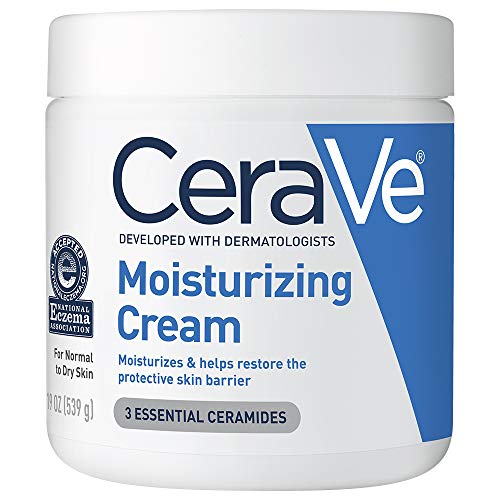
CeraVe Moisturizing Cream, Body and Face Moisturizer for Dry Skin, Body Cream with Hyaluronic Acid and Ceramides, Daily Moisturizer, Oil-Free, Fragrance Free, Non-Comedogenic, 19 Ounce
Amazon.com : CeraVe Moisturizing Cream, Body and Face Moisturizer for Dry Skin, <strong>Body Cream with Hyaluronic Acid and Ceramides</strong>, Daily Moisturizer, Oil-Free, Fragrance Free, Non-Comedog
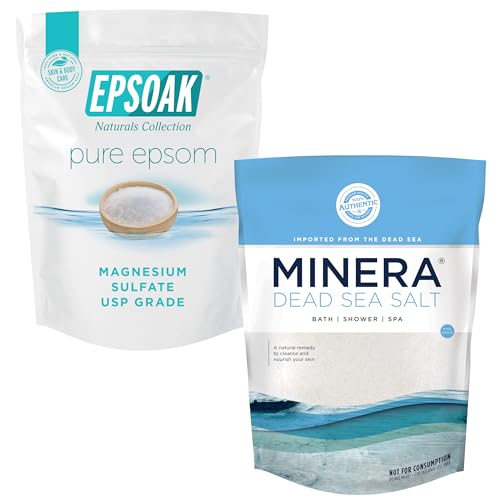
Minera Fine Grain Dead Sea Salt for Bath & Foot Soaks – 5 lbs, Fast-Dissolving, 100% Pure and Natural, Unscented, Skin-Softening Sea Salt : Bath Minerals And Salts
Amazon.com : Minera Fine Grain Dead Sea Salt for Bath & Foot Soaks – 5 lbs, <strong>Fast-Dissolving, 100% Pure and Natural, Unscented, Skin-Softening Sea Salt</strong> : Bath Minerals And Salts :
Evidence & Sources
Promising research with growing clinical support from multiple studies
- American Academy of Dermatology
- National Eczema Association
- National Psoriasis Foundation
- National Institute of Arthritis and Musculoskeletal and Skin Diseases (NIAMS)
- National Center for Complementary and Integrative Health (NCCIH)
- The Lancet
- New England Journal of Medicine
- Journal of the American Academy of Dermatology
- British Journal of Dermatology
- World Health Organization
This content is for informational purposes only and does not constitute medical advice. Always consult a qualified healthcare provider before starting, stopping, or changing any supplement or medication regimen.