

Dizziness
Also known as: Lightheadedness, Feeling Faint, Disequilibrium
Overview
Dizziness is a broad, non-specific symptom rather than a single diagnosis. People may use the term to describe lightheadedness, feeling faint, unsteadiness, imbalance, wooziness, or a sensation that the environment is moving, sometimes called vertigo. Because these experiences can arise from different body systems—including the inner ear, brain, cardiovascular system, autonomic nervous system, metabolism, vision, and musculoskeletal system—dizziness is considered a common but clinically complex complaint.
Dizziness is highly prevalent across the lifespan and is especially common in older adults, where it may contribute to falls, injury risk, reduced mobility, and fear of movement. In younger adults, episodes may be linked to dehydration, viral illness, vestibular disorders, migraine, anxiety, medication effects, or blood pressure changes. In integrative medicine settings, dizziness is often explored through multiple lenses, including vestibular balance, circulation, stress physiology, sleep, nutrition, and nervous system regulation.
A key distinction in health literature is between true vertigo—a spinning or motion sensation often associated with vestibular dysfunction—and more general dizziness such as presyncope (feeling as if one might faint), disequilibrium (imbalance when standing or walking), or non-specific dizziness. Common causes include benign paroxysmal positional vertigo (BPPV), vestibular neuritis, Ménière disease, migraine-associated vertigo, orthostatic hypotension, anemia, cardiac rhythm disturbances, medication side effects, and anxiety-related symptoms. Less commonly, dizziness may reflect urgent neurological or cardiovascular conditions.
From a safety standpoint, dizziness deserves careful evaluation when it is new, severe, recurrent, associated with hearing loss, chest symptoms, fainting, weakness, severe headache, or other neurologic changes. In both conventional and traditional medicine, the symptom is generally understood as a sign that multiple systems involved in orientation, balance, oxygen delivery, and sensory processing may be under strain. Because the causes vary widely, assessment by a qualified healthcare professional is often an important part of understanding the symptom in context.
Medical Perspectives
Two Ways of Seeing Health

Western
scientific · clinical
Western medicine applies science, technology, and clinical experience to treat symptoms through testing, diagnosis, and targeted intervention.

Eastern
traditional · alternative
Eastern medicine focuses on treating the body naturally by applying traditional knowledge practiced for thousands of years, emphasizing balance and whole-person wellness.
Gold Bamboo presents both perspectives side-by-side so you can make informed decisions. We don't advocate for one over the other — your health choices are yours.
Western Medicine Perspective
Western Medicine Perspective
In conventional medicine, dizziness is approached as a symptom category that requires clarification of the sensation involved, the timing, triggers, and associated features. Modern clinical frameworks often distinguish whether symptoms are episodic or persistent, triggered by position change or spontaneous, and whether they fit patterns such as vertigo, presyncope, disequilibrium, or non-specific dizziness. This helps narrow the likely origin: vestibular, neurologic, cardiovascular, metabolic, medication-related, or psychological.
A major area of research concerns vestibular causes, especially BPPV, one of the most common sources of brief positional vertigo. Other recognized causes include vestibular neuritis, typically linked to acute inflammation of the vestibular nerve; Ménière disease, associated with fluctuating hearing symptoms and vertigo; and vestibular migraine, an increasingly recognized disorder in which dizziness occurs with or without headache. Conventional evaluation may also consider orthostatic blood pressure changes, arrhythmias, dehydration, anemia, blood glucose abnormalities, infection, stroke, or transient ischemic attack, depending on the clinical picture.
Management in western medicine depends on the underlying cause rather than dizziness as a standalone condition. Research supports specific maneuvers and rehabilitation strategies for some vestibular disorders, while other cases may involve investigation of cardiac, neurologic, or systemic contributors. Clinical guidelines also emphasize identifying red-flag symptoms that suggest urgent causes. Overall, the western model treats dizziness as a multifactorial diagnostic challenge, with strong evidence for some etiologies and more individualized assessment for others.
Eastern & Traditional Perspective
Eastern / Traditional Medicine Perspective
In Traditional Chinese Medicine (TCM), dizziness is often discussed under patterns involving "wind," phlegm, deficiency, or internal imbalance affecting the head and sensory orifices. Classical frameworks may associate dizziness with Liver yang rising, Liver wind, phlegm-damp obstruction, Kidney essence deficiency, or insufficiency of qi and blood. The symptom is not viewed as an isolated vestibular event alone, but as a manifestation of disrupted systemic balance involving circulation, nourishment of the brain, and the body's capacity to orient and stabilize itself.
In Ayurveda, dizziness may be interpreted through disturbances in Vata, especially when symptoms involve instability, lightheadedness, weakness, or nervous-system irregularity. Some presentations may also involve Pitta when heat, irritability, or migraine-like patterns are prominent, or Kapha when heaviness, congestion, and sluggishness predominate. Traditional assessment may therefore consider digestion, sleep, mental strain, hydration, seasonal influences, and constitutional tendencies as part of the overall pattern.
In broader integrative and naturopathic traditions, dizziness is often explored in relation to autonomic regulation, stress load, hydration status, nutrient sufficiency, cervical tension, circulation, and inner ear function. Modalities such as mind-body practices, vestibular-oriented rehabilitation approaches, and traditional therapies are often discussed as supportive frameworks, though the quality of evidence varies considerably by modality and condition. Across eastern systems, the emphasis is typically on pattern recognition and restoring balance, while also recognizing that sudden or severe dizziness may require prompt biomedical evaluation to rule out serious causes.
Supplements & Products
Recommended Products

Vestibular Rehabilitation Therapy for the Patient with Dizziness and Balance Disorders: Exercise Protocols (Second Edition): Marian Girardi, Ph.D., Randolph A. McKenzie and Meiho Nakayama
... Susan J. Herdman ... <strong>Healing Chronic Dizziness: The Workbook</strong>: A self-paced plan to help you heal from PPPD, MdDS, vestibular migraine and other medically unexplained chronic dizzi
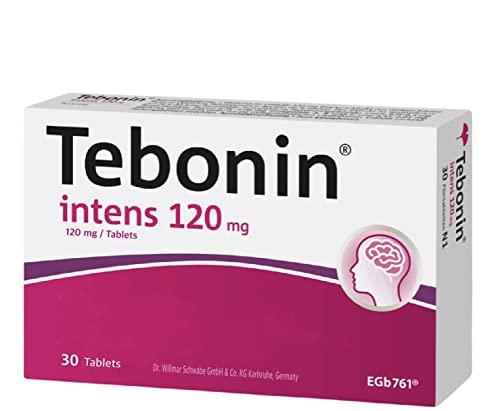
Tebonin Egb 761 (30 Tablets)
Free of gluten, Yeast and artificial flavours. ... Life Extension Ginkgo Biloba Certified Extract™, 120 mg, <strong>Helps Maintain Memory & cognition, Gluten-Free, Non-GMO, Vegetarian, 365 Capsule

Liquid I.V.® Hydration Multiplier - Lemon Lime | Electrolyte Powder Drink Mix | 1 Pack (16 Servings)
Liquid I.V.® Hydration Multiplier Sugar-Free - White Peach | Electrolyte Powder Drink Mix | 1 Pack (14 Servings)
Evidence & Sources
Promising research with growing clinical support from multiple studies
- National Institute on Deafness and Other Communication Disorders (NIDCD)
- National Institute of Neurological Disorders and Stroke (NINDS)
- National Center for Complementary and Integrative Health (NCCIH)
- American Academy of Family Physicians (AAFP)
- JAMA
- New England Journal of Medicine
- Neurology
- Otolaryngology–Head and Neck Surgery
- American Heart Association (AHA)
- World Health Organization (WHO)
This content is for informational purposes only and does not constitute medical advice. Always consult a qualified healthcare provider before starting, stopping, or changing any supplement or medication regimen.