

Dandruff
Also known as: Flaky Scalp, Scalp Flaking
Overview
Dandruff is a common scalp condition characterized by visible flaking, sometimes accompanied by itching, irritation, or mild redness. It is often considered part of a spectrum that ranges from simple scalp dryness to seborrheic dermatitis, a more inflammatory condition linked to excess oil production, skin barrier disruption, and overgrowth of certain scalp yeasts, especially Malassezia species. Although dandruff is not typically dangerous, it can be persistent, cosmetically bothersome, and associated with discomfort that affects quality of life.
Dandruff is extremely prevalent worldwide and can occur across age groups, though it is often more common after puberty when sebaceous gland activity increases. The condition is influenced by multiple factors, including skin oil levels, scalp microbiome balance, individual sensitivity to yeast byproducts, stress, climate, hair care practices, and underlying skin disorders. In some people, flaking reflects dry scalp or irritation from hair products; in others, it reflects a chronic inflammatory scalp condition.
From a broader health perspective, dandruff is not merely a cosmetic issue. Research has increasingly framed it as a multifactorial disorder involving the scalp barrier, immune response, and microbial ecology. Related conditions such as psoriasis, eczema, contact dermatitis, and fungal scalp disorders may resemble dandruff, which is one reason accurate assessment can matter when symptoms are severe, persistent, or associated with hair loss, pain, or marked inflammation. Conventional and traditional systems alike often distinguish between different scalp patterns rather than treating all flaking as the same phenomenon.
Interest in natural and integrative approaches is common, especially around botanical scalp care, anti-inflammatory support, microbiome-friendly hygiene, stress regulation, and diet-related factors. While some traditional remedies have long histories of use, the quality of scientific evidence varies considerably. A balanced understanding of dandruff generally includes both the well-established dermatologic model and the traditional view that scalp health reflects broader systemic balance.
Medical Perspectives
Two Ways of Seeing Health

Western
scientific · clinical
Western medicine applies science, technology, and clinical experience to treat symptoms through testing, diagnosis, and targeted intervention.

Eastern
traditional · alternative
Eastern medicine focuses on treating the body naturally by applying traditional knowledge practiced for thousands of years, emphasizing balance and whole-person wellness.
Gold Bamboo presents both perspectives side-by-side so you can make informed decisions. We don't advocate for one over the other — your health choices are yours.
Western Medicine Perspective
Western Medicine Perspective
In conventional dermatology, dandruff is usually understood as a mild, noninflammatory or mildly inflammatory form of seborrheic dermatitis that primarily affects the scalp. A central theory involves the interaction of three factors: sebum production, colonization by Malassezia yeast, and individual susceptibility. Malassezia organisms metabolize scalp lipids and may generate byproducts that irritate the skin or trigger inflammation in susceptible individuals. Studies also suggest that impaired skin barrier function and local immune responses contribute to scaling and itch.
Western medicine also distinguishes dandruff from look-alike conditions. Psoriasis may produce thicker, silvery plaques extending beyond the hairline; atopic or contact dermatitis may involve more diffuse inflammation or a history of allergen exposure; and tinea capitis may be considered when there is patchy hair loss, scaling, or broken hairs. Evaluation is especially important when symptoms are severe, unusual, or resistant to standard care, because treatment approach depends on the underlying diagnosis.
Conventional management often focuses on reducing yeast overgrowth, inflammation, and scale buildup, while supporting the scalp barrier. This is why dandruff research frequently examines antifungal shampoos, keratolytic agents, and anti-inflammatory ingredients. Some studies also explore the role of zinc compounds, selenium sulfide, ketoconazole, coal tar, salicylic acid, and ciclopirox, as well as newer microbiome-oriented approaches. For people interested in complementary options, limited research has evaluated ingredients such as tea tree oil and certain botanical extracts, though these carry considerations such as irritation or allergic contact reactions.
From an evidence standpoint, the strongest conventional data support the idea that dandruff is a chronic relapsing scalp disorder with microbial, inflammatory, and barrier-related components rather than a simple problem of poor hygiene. If flaking is accompanied by intense redness, oozing, pain, signs of infection, or notable hair shedding, clinicians generally consider broader dermatologic evaluation appropriate.
Eastern & Traditional Perspective
Eastern/Traditional Medicine Perspective
In Traditional Chinese Medicine (TCM), dandruff is not viewed as a single disease entity but as a manifestation of patterns such as wind, dampness, heat, blood dryness, or imbalance affecting the skin and scalp. Flaking with redness and itch may be interpreted differently from dry, fine scaling without much inflammation. In this framework, the scalp reflects the state of the body's internal environment, especially the balance of heat and moisture, the nourishment of blood, and the smooth movement of qi. Traditional texts and contemporary TCM practice may discuss scalp scaling in relation to constitutional tendency, diet, emotional stress, or external pathogenic influences.
In Ayurveda, dandruff is often discussed in relation to imbalances involving Vata and Kapha, and sometimes Pitta when inflammation is more prominent. Dry, powdery flaking may be associated with Vata-type dryness, while oiliness, heaviness, and itch may be linked to Kapha accumulation; redness and irritation may suggest a Pitta component. Ayurvedic interpretation often places scalp symptoms within a broader picture including digestion, stress, daily routine, and tissue nourishment. Classical and folk traditions have used various herbal oils, cleansing botanicals, and cooling or soothing plant preparations for scalp health.
Naturopathic and herbal traditions tend to emphasize restoration of the skin barrier, reduction of inflammatory triggers, support for microbial balance, and consideration of diet, stress, and topical irritants. Commonly discussed natural ingredients include tea tree, neem, aloe vera, rosemary, licorice, and diluted apple cider vinegar, though evidence quality differs widely and product tolerability is variable. These systems often frame dandruff as a sign of local scalp imbalance combined with broader lifestyle or constitutional factors.
Overall, eastern and traditional systems contribute a pattern-based, whole-person perspective that may resonate with people seeking integrative scalp care. However, many traditional approaches rely on historical use, practitioner experience, and small modern studies rather than large high-quality trials. Consultation with qualified healthcare practitioners is important, particularly because persistent scalp flaking can mimic other dermatologic conditions and some natural substances may irritate sensitive skin.
Supplements & Products
Recommended Products

A Seborrheic Dermatitis Survival Guide: Fix your skin and enjoy your life. eBook : Diemer, Julien: Kindle Store
Amazon.com: <strong>A Seborrheic Dermatitis Survival Guide: Fix your skin and enjoy your life</strong>. eBook : Diemer, Julien: Kindle Store
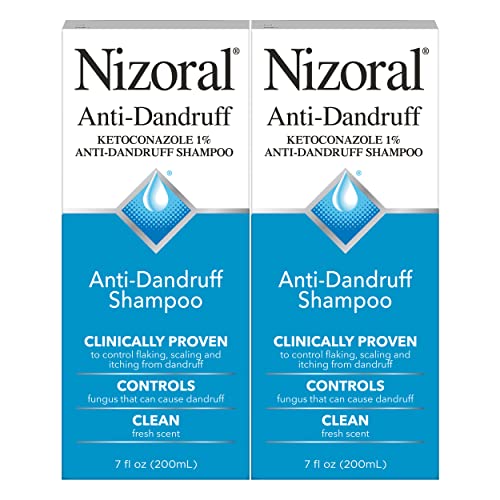
Nizoral Anti-Dandruff Shampoo with 1% Ketoconazole, Fresh Scent, 7 Fl Oz
Fresh-smelling anti-dandruff shampoo <strong>controls flaking, scaling, and itching associated with dandruff</strong>. Made with ketoconazole 1%. Use it just twice a week between regular shampoos for

Maple Holistics Tea Tree Oil Shampoo Sulfate Free - Deep Cleansing Vegan Tea Tree Shampoo for Oily Hair and Scalp - Daily for Build up with Rosemary Essential Oil for All Hair Types 25 Fl Oz
Amazon.com : Maple Holistics Tea Tree Oil Shampoo Sulfate Free - <strong>Deep Cleansing Vegan Tea Tree Shampoo for Oily Hair and Scalp - Daily for Build up with Rosemary Essential Oil for All Hair Typ
Evidence & Sources
Promising research with growing clinical support from multiple studies
- National Institute of Arthritis and Musculoskeletal and Skin Diseases (NIAMS)
- American Academy of Dermatology
- NHS
- StatPearls: Seborrheic Dermatitis
- Journal of Clinical and Investigative Dermatology
- Mycopathologia
- Cochrane Database of Systematic Reviews
- National Center for Complementary and Integrative Health (NCCIH)
This content is for informational purposes only and does not constitute medical advice. Always consult a qualified healthcare provider before starting, stopping, or changing any supplement or medication regimen.